10 Famous Foods You Didn’t Know Were Invented in Chicago
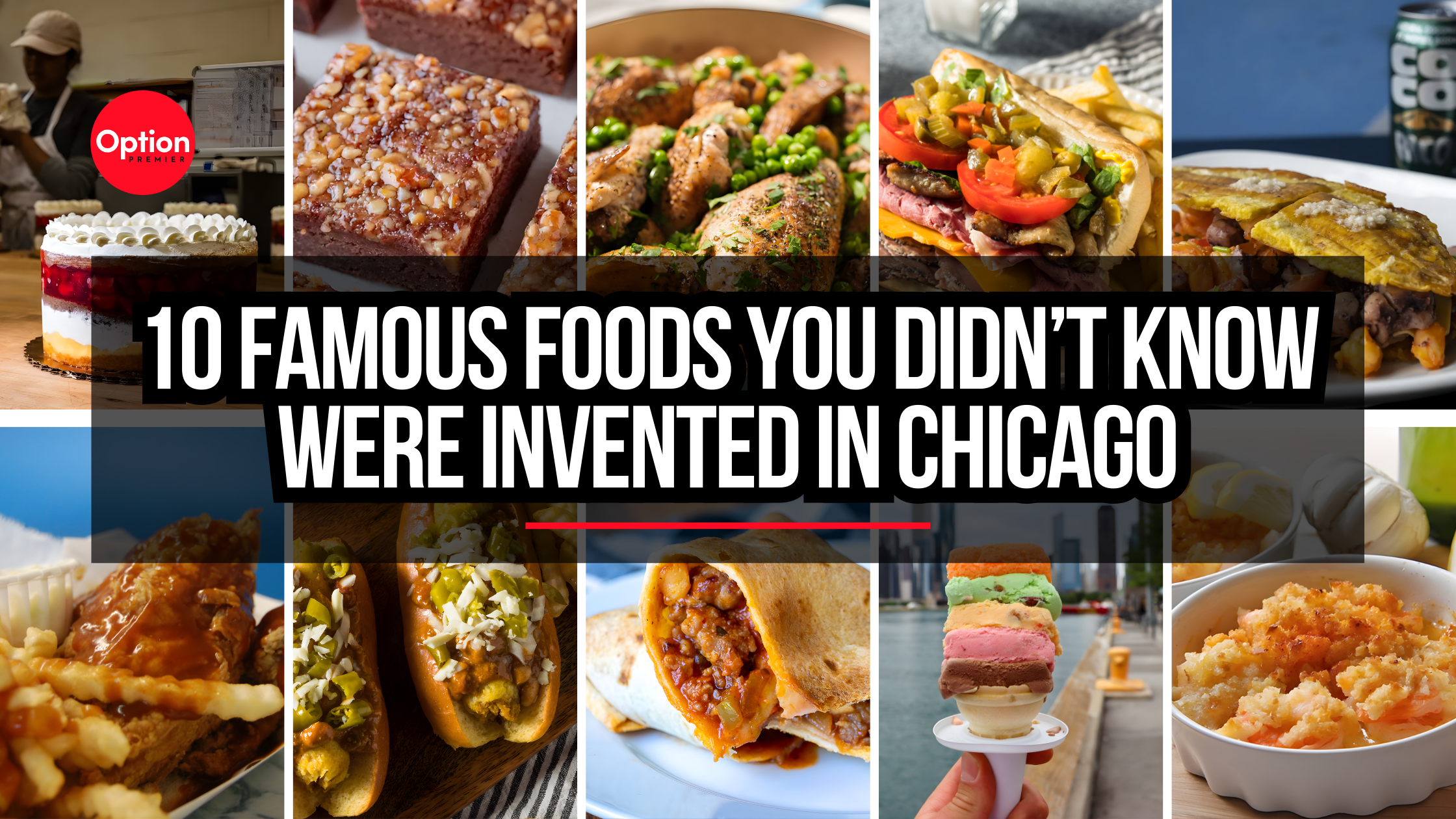
Chicago has long been known as one of America’s great food cities. While deep-dish pizza and Italian beef usually get most of the attention, the city has actually produced a wide range of dishes that became staples across the country.
Many of these foods were created by immigrant communities, neighborhood restaurants, and local entrepreneurs experimenting with new ideas. According to Chicago food journalist Michael Gebert, author of The Chicago Way: An Oral History of Chicago Dining, Chicago’s iconic dishes tend to be rich, hearty, and often built around meat.
Here are ten iconic foods that were invented in Chicago and remain beloved by locals today:
Atomic Cake
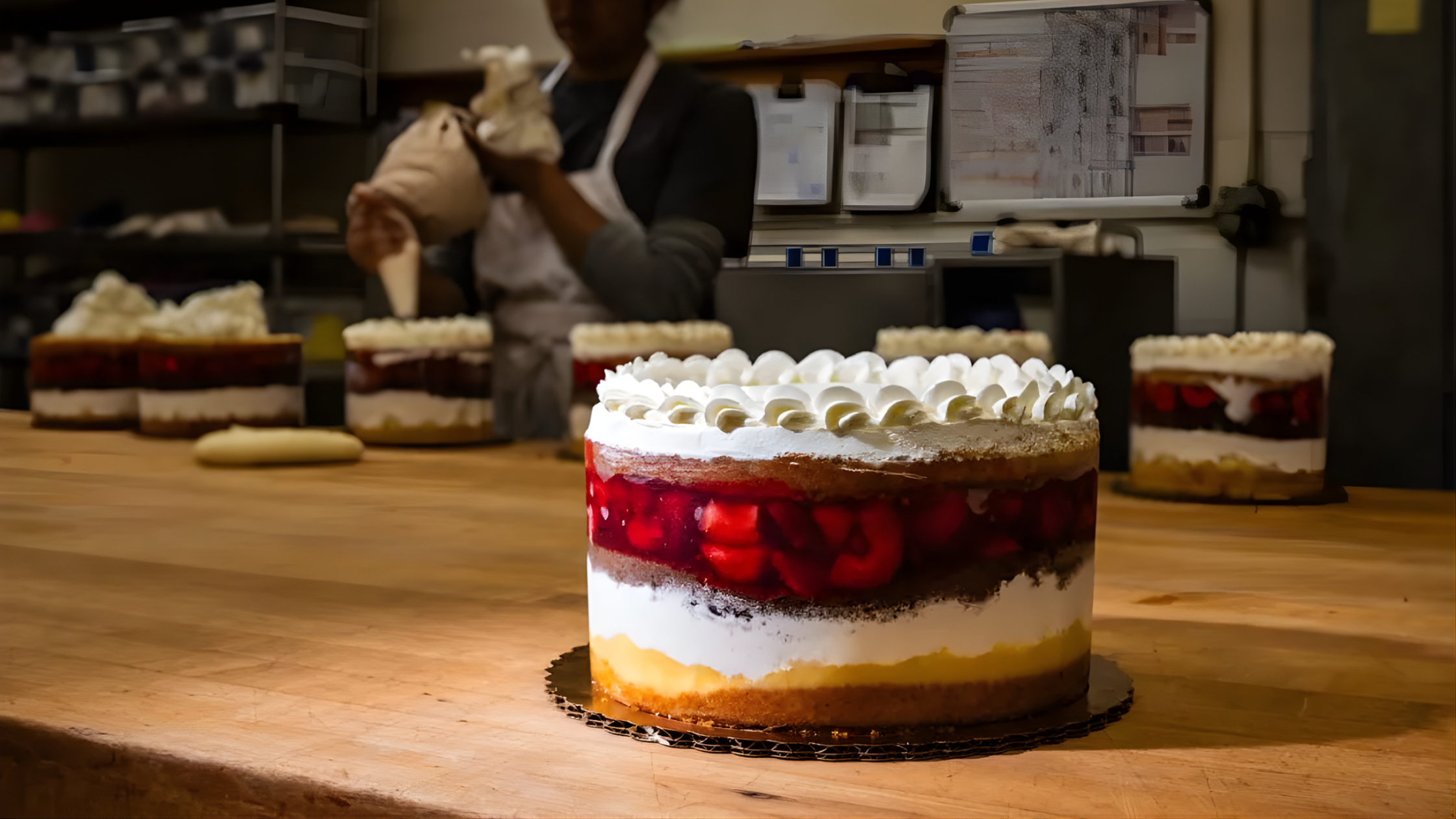
Atomic Cake was created during the 1950s Atomic Age by Chicago baker George Kremm at a South Side bakery.
The towering dessert is known for its layered structure. The bottom layer is banana cake topped with fresh banana slices and Bavarian cream. The middle layer features chocolate cake with strawberries and strawberry glaze. The final layer is vanilla cake topped with hot fudge and whipped cream.
Atomic Cake is still sold at several bakeries today, especially on Chicago’s South and Southwest sides.
Where to try it today
Chicago Sweet Connection Bakery, 5569 N. Northwest Highway, Jefferson Park
Weber’s Bakery, 7055 W. Archer Ave., Garfield Ridge
Wolf’s Bakery, 3241 W. 95th St., Evergreen Park
The Brownie
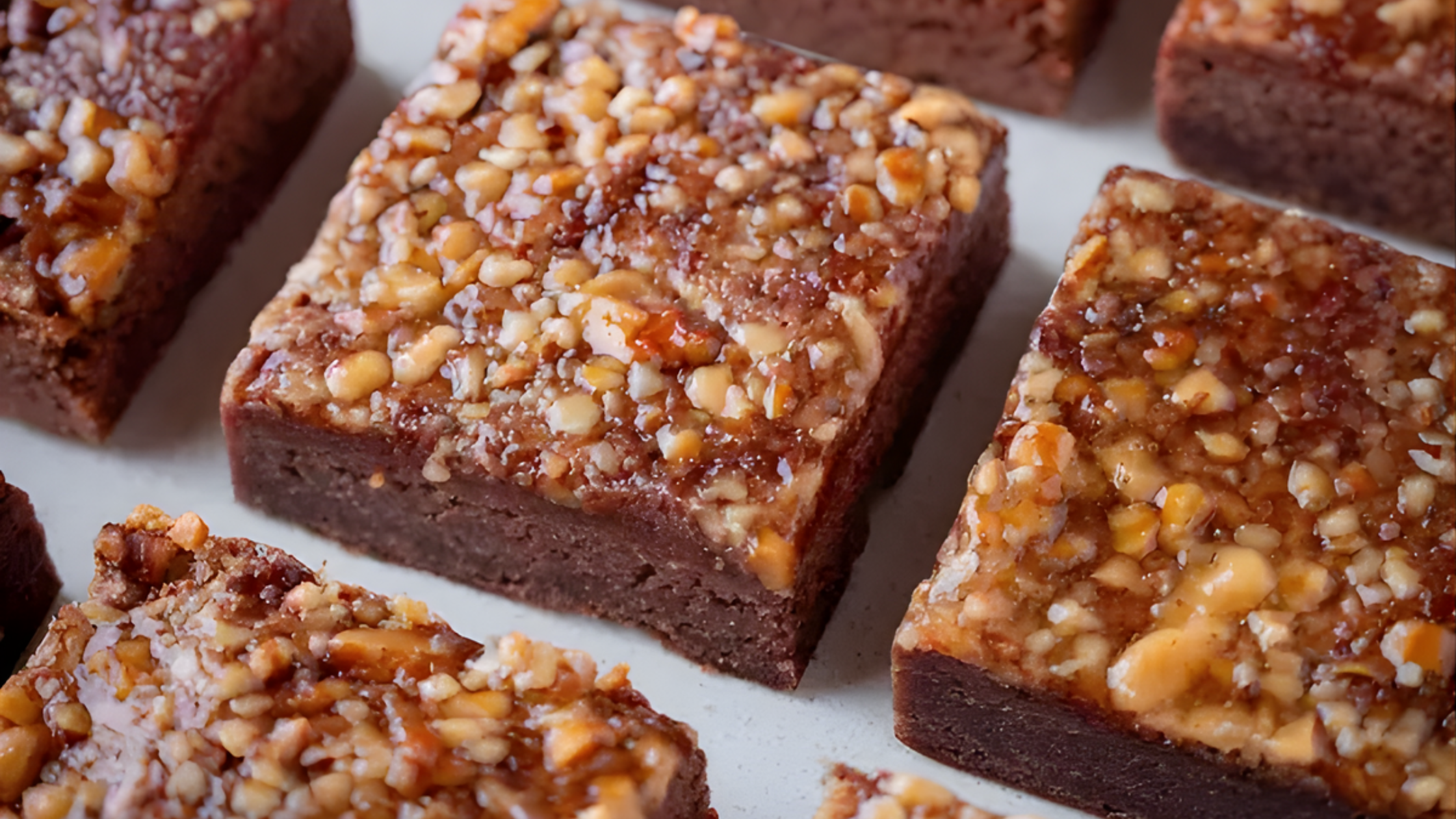
One of the most famous desserts in the world was created in Chicago during the 1893 World’s Columbian Exposition.
Chicago philanthropist Bertha Palmer, whose husband owned the Palmer House Hotel, asked the hotel’s pastry chef to create a dessert that could be easily packed into boxed lunches for visitors attending the fair.
The result was the Palmer House brownie, a dense chocolate dessert topped with walnuts and an apricot glaze. The hotel still serves brownies made using the original recipe.
Where to try it
Lockwood Restaurant at the Palmer House Hilton 17 E. Monroe St., Loop
Chicken Vesuvio
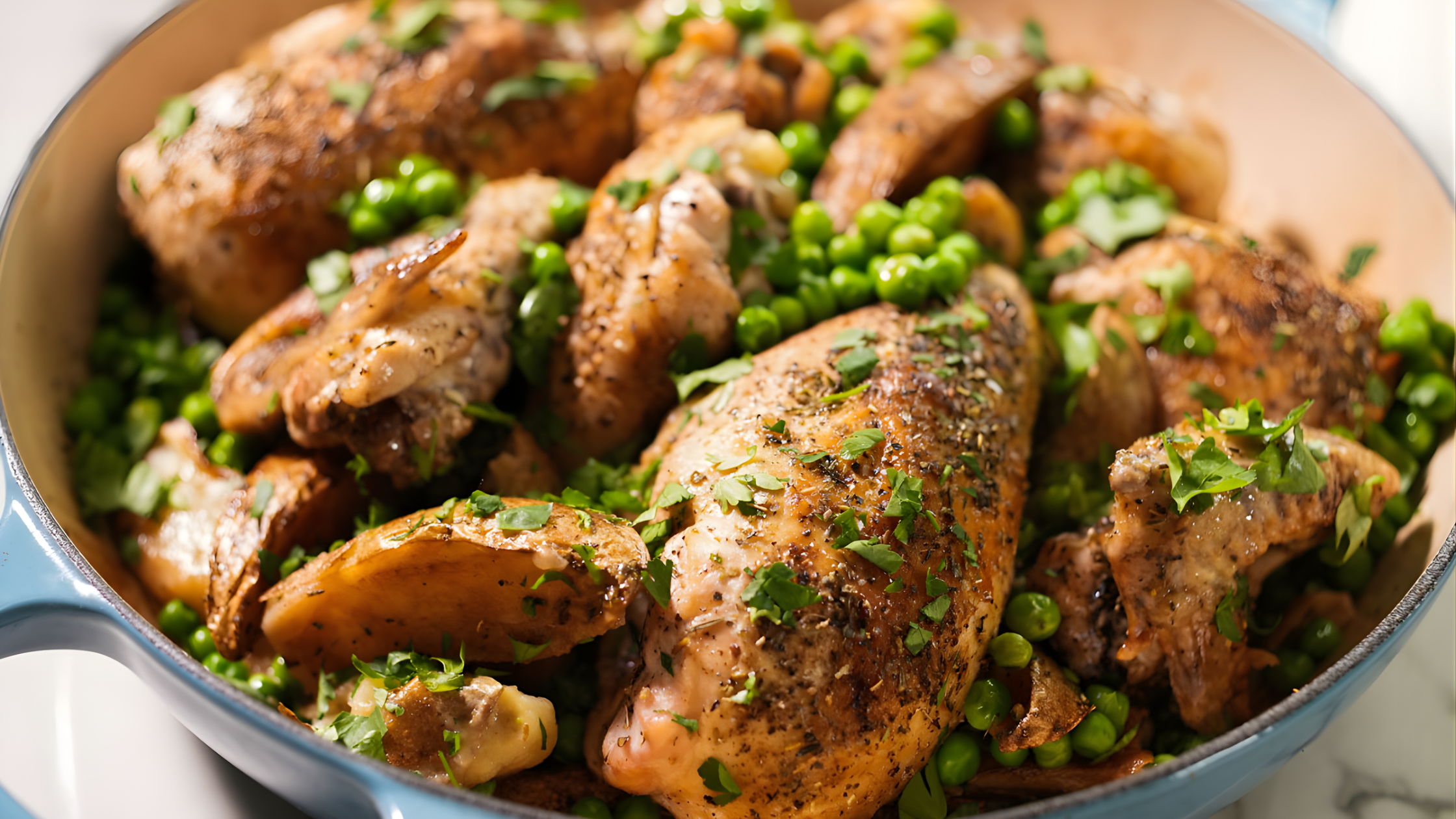
Chicken Vesuvio is an Italian American dish that became a Chicago restaurant classic. The dish features bone-in chicken pieces and potato wedges sautéed with garlic, oregano, parsley, white wine, and olive oil before being roasted in the oven. Peas are often added at the end.
The dish appeared on the menu of a Downtown restaurant called The Vesuvio in the 1930s, though its exact origin remains debated.
Where to try it
Club Lucky, 1824 W. Wabansia Ave., Wicker Park
Gene & Georgetti, 500 N. Franklin St., River North
Harry Caray’s, 33 W. Kinzie St., River North
Ignotz Ristorante, 2421 S. Oakley Ave., Heart of Italy
La Scarola, 721 W. Grand Ave., River West
The Jim Shoe Sandwich
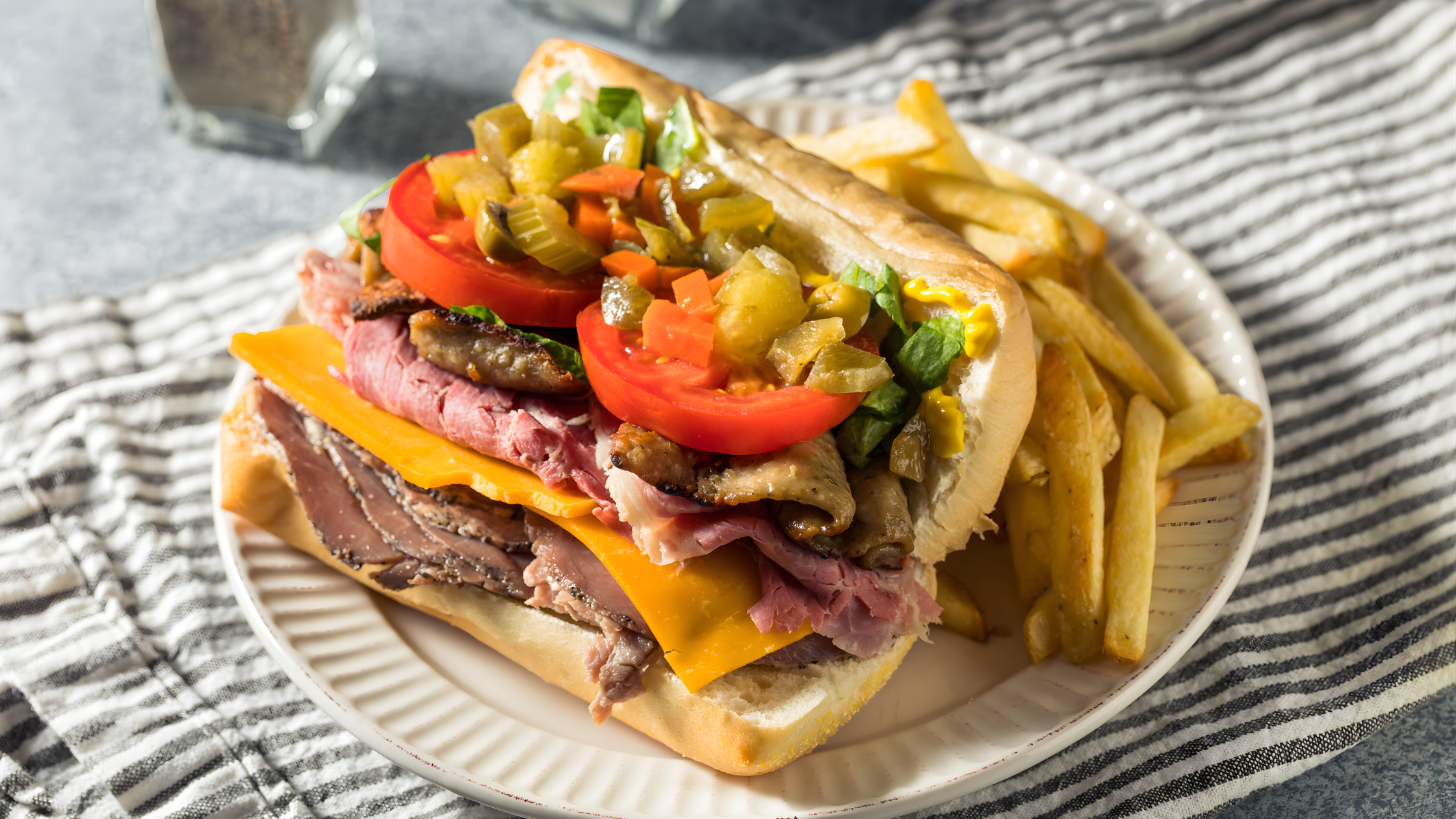
The Jim Shoe sandwich, sometimes spelled Gym Shoe, is a massive sandwich with roots in Chicago’s South Side. The sandwich typically includes gyro meat, roast beef, and corned beef packed into a toasted Italian roll. It is topped with lettuce, tomato, tzatziki sauce, and sometimes Swiss cheese, giardiniera, or sweet peppers.
The sandwich became popular at South Side sub shops run by Palestinian immigrants. Because the shop owners were Muslim, the sandwich traditionally avoids pork products.
Where to try it
Southtown Sub, 112 E. 71st St., Chatham
Stony Sub, 8440 S. Stony Island Ave., Avalon Park
Sun Submarine, 5542 W. North Ave., Austin
The Jibarito
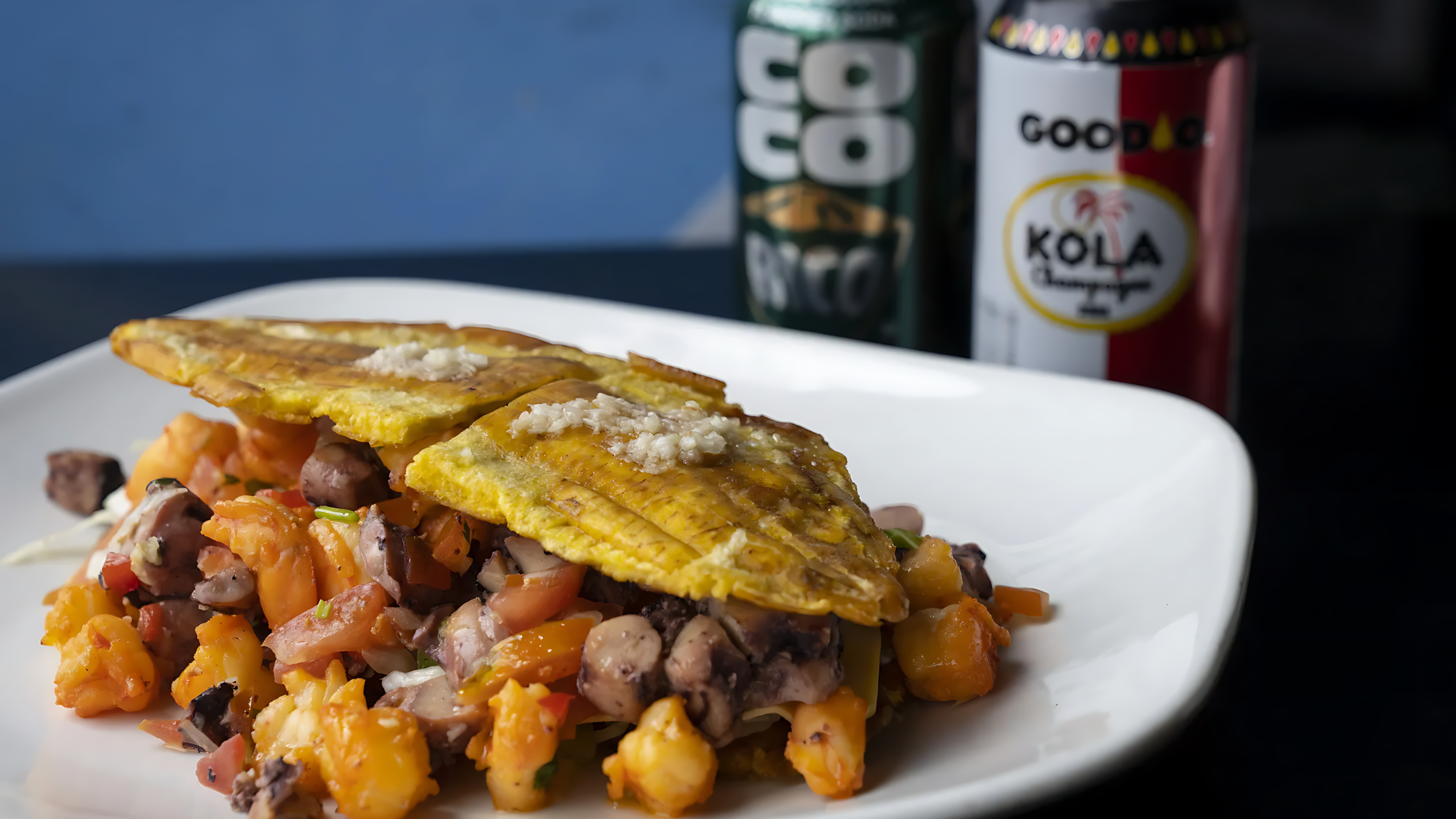
The jibarito is one of Chicago’s most unique sandwiches and a symbol of the city’s Puerto Rican community. The sandwich was created in 1996 by Juan “Peter” Figueroa at his restaurant Borinquen in Humboldt Park.
Instead of bread, the sandwich uses fried green plantains that are smashed and fried again to create a crispy exterior. Steak is the traditional filling, topped with American cheese, lettuce, tomato, and mayonnaise.
The word “jibarito” comes from Puerto Rican Spanish and loosely translates to “little hillbilly.”
Where to try it
Borinquen, 3811 N. Western Ave., North Center
Jibaritos y Más, 3400 W. Fullerton Ave., Logan Square
Omarcito’s, 3801 W. Fullerton Ave., Logan Square
Mild Sauce
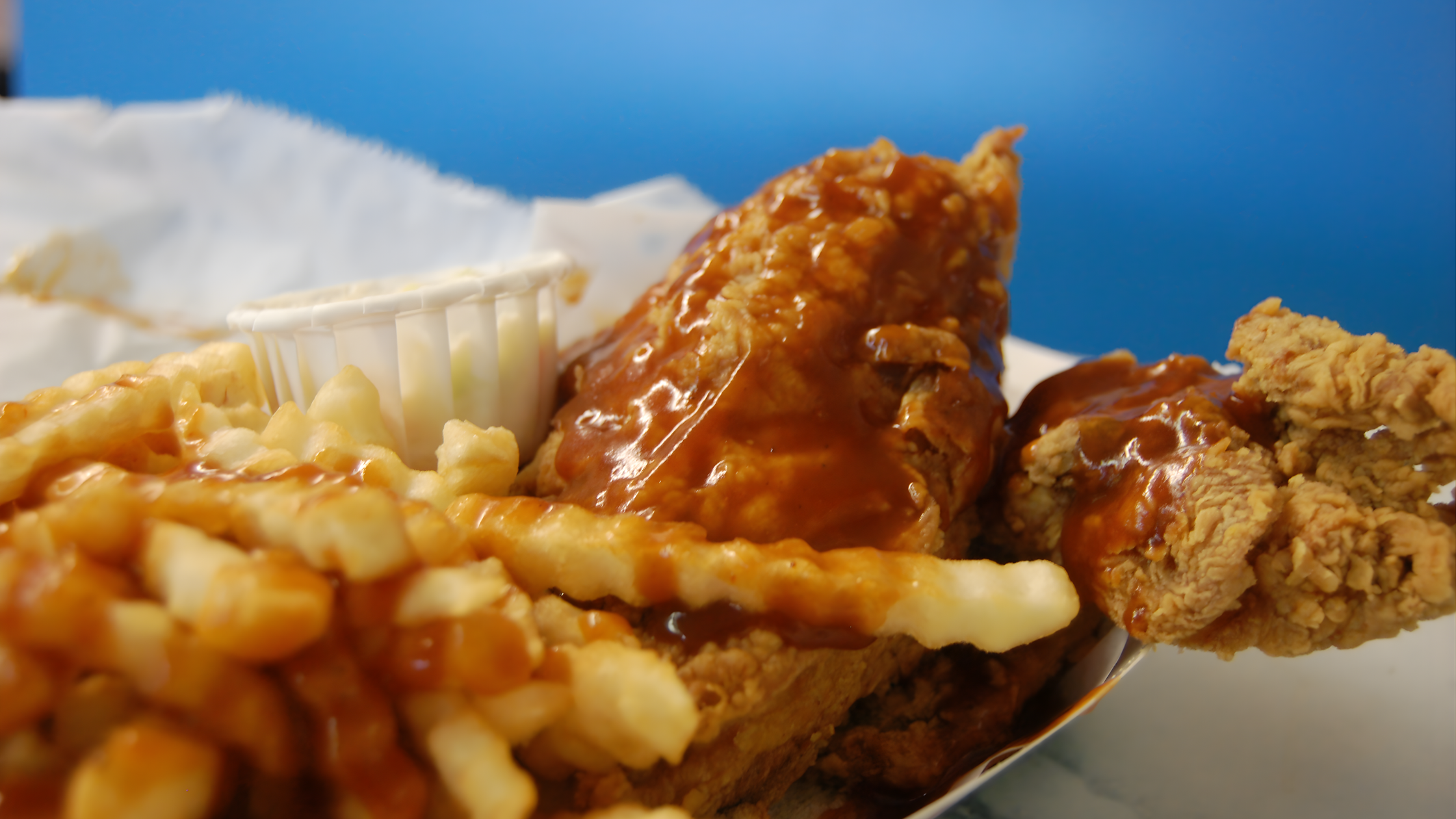
Mild sauce is one of Chicago’s most distinctive condiments and is closely tied to the city’s South Side fried chicken scene. The sauce blends elements of barbecue sauce, ketchup, and hot sauce to create a sweet, tangy topping for fried chicken and fries.
Two Chicago institutions helped popularize mild sauce: Harold’s Chicken Shack, founded in 1950, and Uncle Remus, which opened in 1963.
The exact recipe varies by restaurant and is often kept secret.
The Mother-in-Law Sandwich
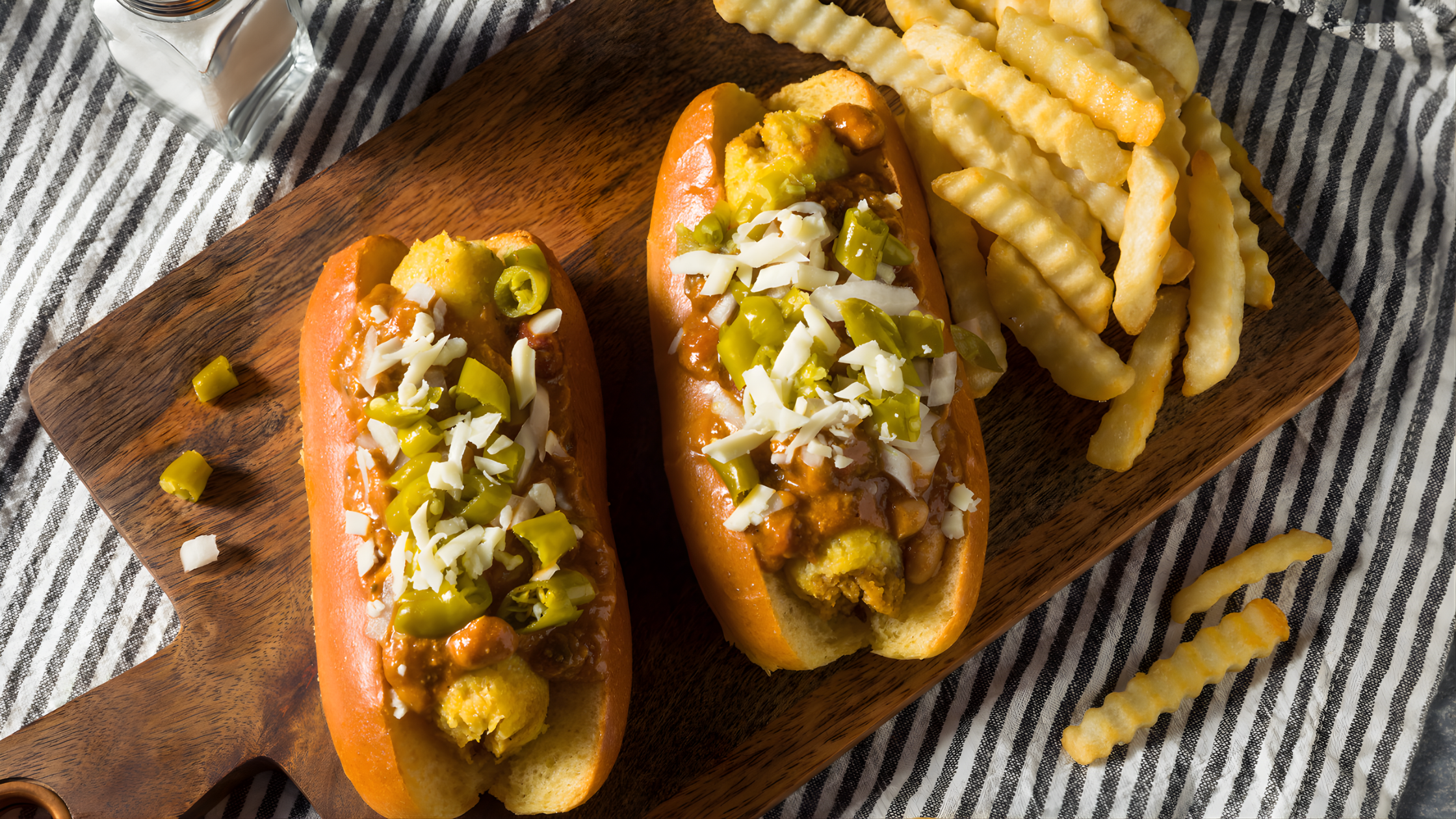
The Mother-in-Law sandwich was created in 1972 by John Pawlikowski at Fat Johnnie’s Famous Red Hots in Marquette Park. The sandwich features a tube-shaped corn roll tamale placed inside a hot dog bun and topped with chili, onions, sport peppers, tomato, and a pickle.
Food writer Anthony Bourdain once described the sandwich as strange but strangely compelling.
Where to try it
Fat Johnnie’s Famous Red Hots 7242 S. Western Ave., Marquette Park
Pizza Puff
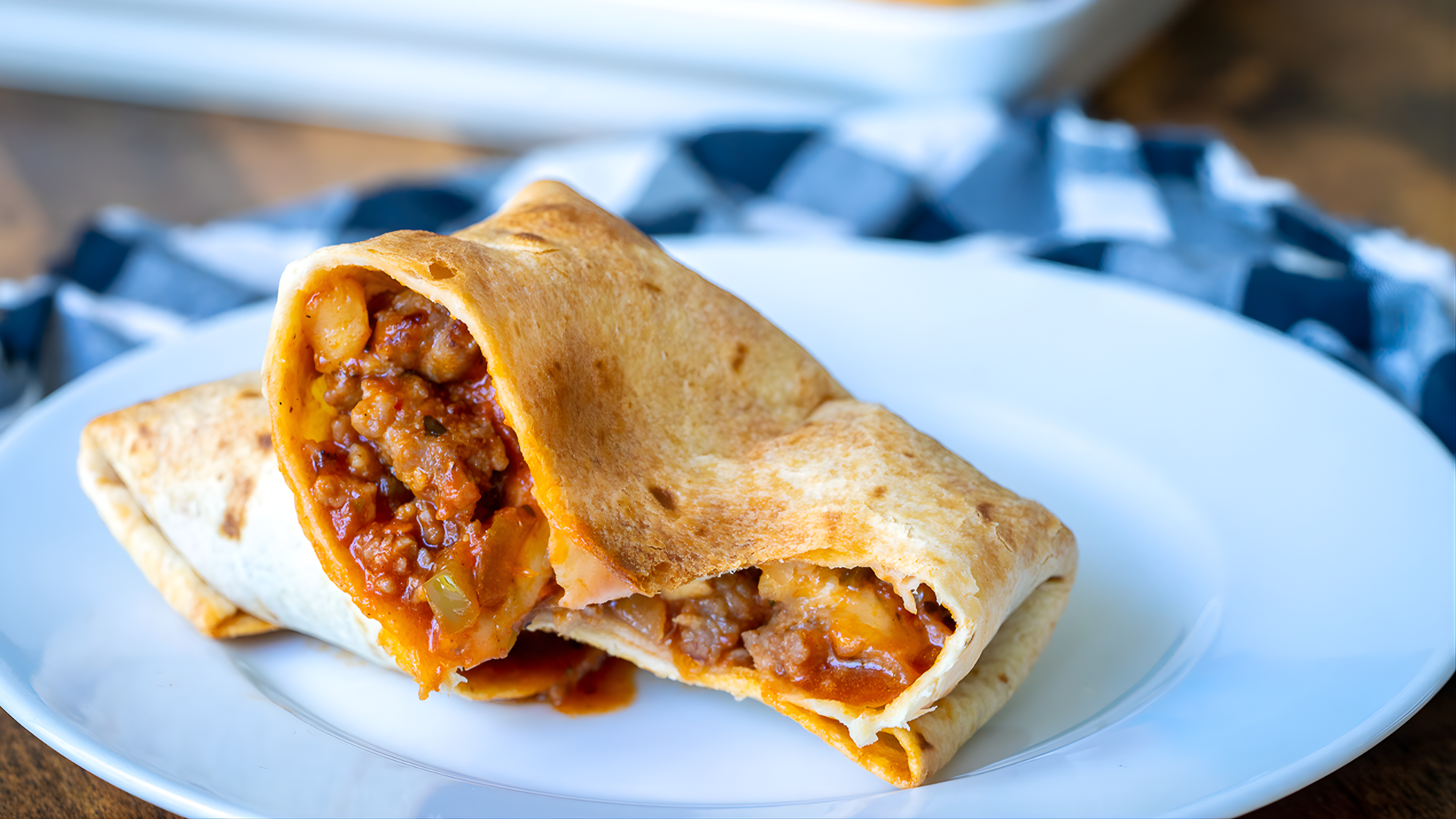
The pizza puff was introduced in 1976 by Warren Shabaz of Chicago’s Illinois Tamale Company, now known as Iltaco. Shabaz experimented with tortilla dough to create a wrapper that could hold pizza-flavored filling and survive deep frying. The result was a crispy pocket filled with cheese, tomato sauce, and sausage or pepperoni.
Pizza puffs quickly became a staple at Chicago hot dog stands. Today they are sold in grocery stores, hot dog stands, and through Iltaco’s home delivery service.
Rainbow Cone
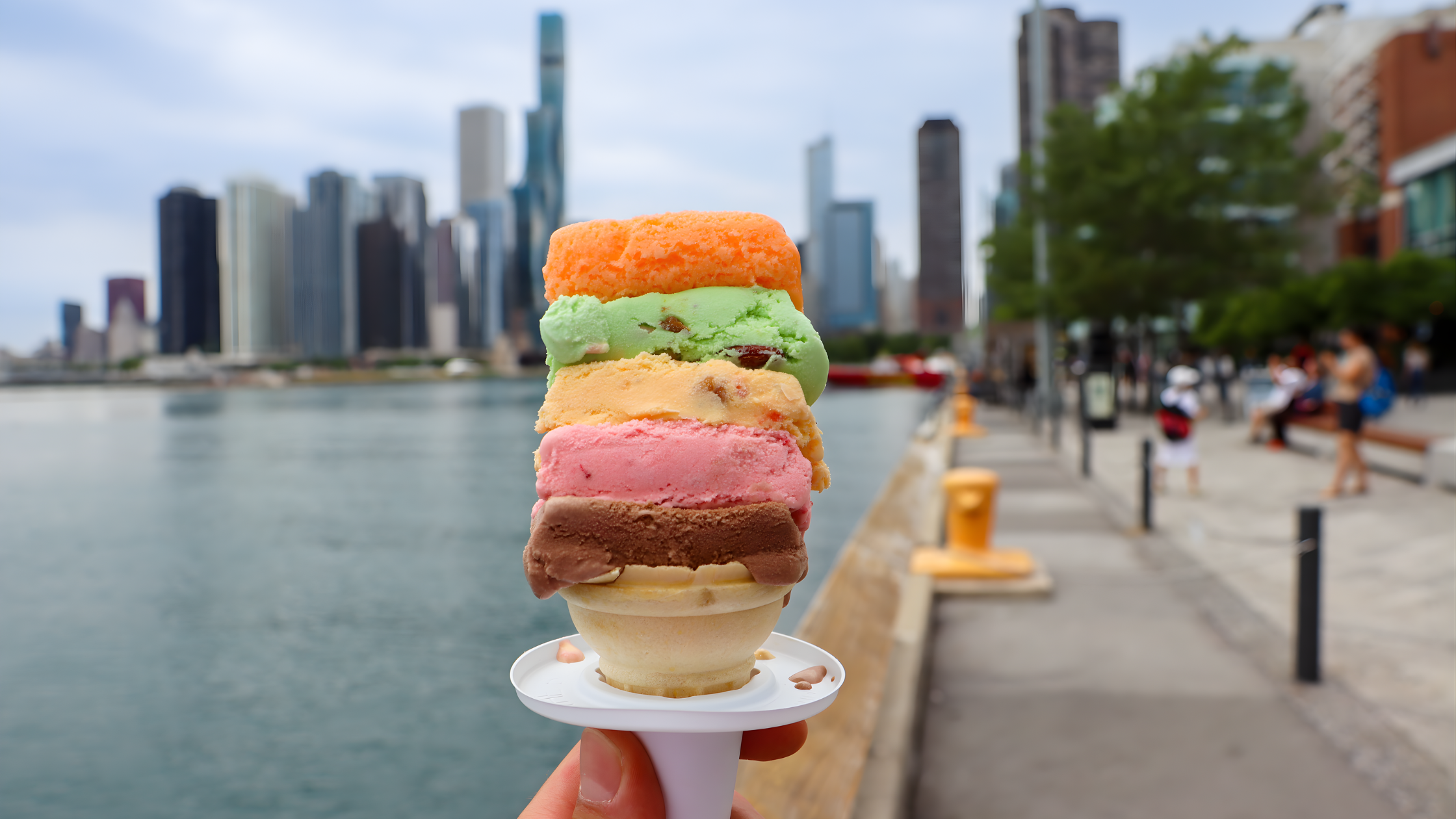
The famous Rainbow Cone was created in 1926 when Joe and Katherine Sapp opened an ice cream stand in the Beverly neighborhood. Instead of scooping ice cream, the shop stacked five flavors together in slices to create a single cone.
The classic combination includes chocolate, strawberry, Palmer House ice cream, pistachio, and orange sherbet. Nearly a century later, the Original Rainbow Cone still operates at 9233 S. Western Ave. in Beverly and has expanded to more than 25 locations across multiple states.
Shrimp De Jonghe
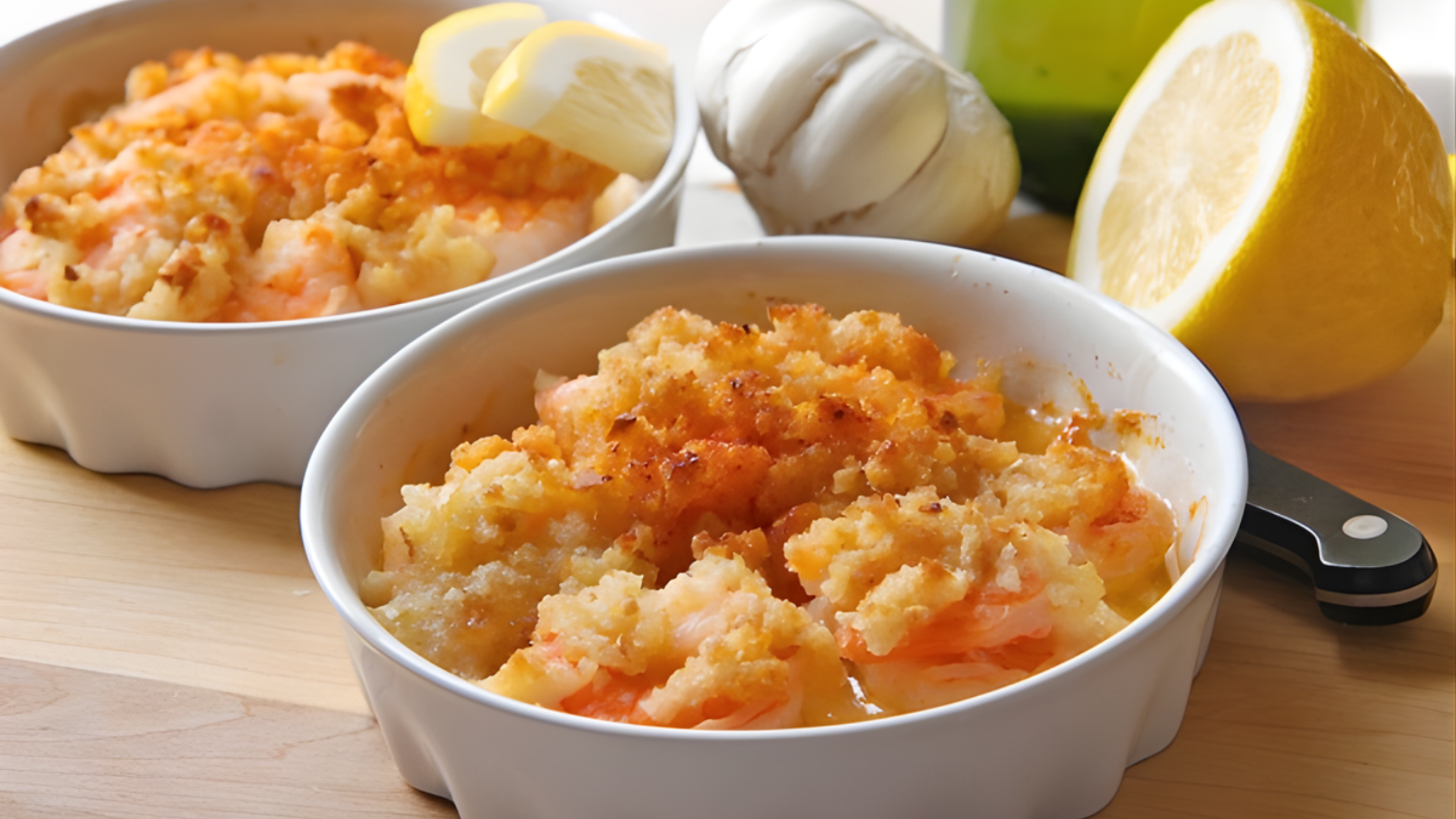
Shrimp De Jonghe also has ties to the 1893 World’s Columbian Exposition. Belgian immigrant brothers Henri, Peter, and Charles De Jonghe opened a restaurant in Chicago during the fair. Their signature dish featured shrimp baked with butter, garlic, sherry, and breadcrumbs.
The dish became popular when the brothers later moved their restaurant to the Loop. Although the original restaurant eventually closed, Shrimp De Jonghe remains a classic Chicago seafood dish.
Where to try it
Gene & Georgetti, 500 N. Franklin St., River North
Hugo’s Frog Bar, 1024 N. Rush St., Gold Coast
Joe’s Seafood, Prime Steak and Stone Crab, 50 E. Grand Ave., River North
Chicago’s Culinary Identity Comes From Its Neighborhoods
Chicago’s most iconic foods were not created in corporate kitchens or national restaurant chains. They came from neighborhood bakeries, immigrant-owned restaurants, street vendors, and family-run businesses experimenting with new ideas.
From the 1893 World’s Fair to modern neighborhood restaurants, Chicago’s culinary history continues to reflect the diversity and creativity of the city itself.
Stay Connected
Ranked among the top 1% of real estate teams in the Chicagoland market, Cory Tanzer and the Cory Tanzer Group are experts in helping buyers and sellers navigate today’s market across Downtown Chicago, the North Shore, and the Western Suburbs. Recognized for their neighborhood expertise in areas such as University Village, University Commons, South Loop, and Pilsen, the team helps clients stay one step ahead by understanding where the Chicago market is headed next.