Major Chicago Developments That Could Impact Home Values in 2026
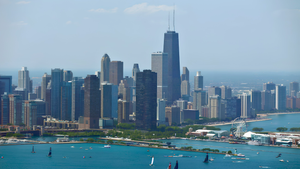
As Chicago enters 2026, the city’s real estate market continues to evolve with transformative developments, large‑scale mixed‑use community projects, and new residential pipelines that are poised to influence home values across Chicago neighborhoods. These changes matter whether you’re a current homeowner, a prospective buyer, or an investor tracking long‑term value trends.
In this blog, we break down the most impactful Chicago developments underway or gaining momentum in late 2025 — including their potential effects on local property values.
1. Foundry Park — Riverfront Neighborhood Reimagined
One of Chicago’s most high‑profile developments is Foundry Park, a major project on the North Side that reimagines the former Lincoln Yards North site along the Chicago River (Read More)
The 31‑acre site has been transformed into Foundry Park by developers Kayne Anderson and JDL Development, establishing room for a vibrant residential community with public space and new housing opportunities.
Impact on Home Values
This development boosts neighborhood appeal and walkability, which are proven drivers of residential demand in urban markets. The addition of parks and mixed‑use amenities can make nearby housing more desirable — often pushing up median sales prices.
2. The 1901 Project — $7 Billion United Center Area Transformation
The massive 1901 Project around the United Center is one of the largest private investments ever proposed on Chicago’s West Side.
Approved by the Chicago Plan Commission, this multi‑phase development could span 55 acres and include nearly 9,500 residential units, hotel rooms, retail, office space, and significant public open space.
Impact on Home Values
The sheer scale of new housing and amenities could increase demand for nearby homes.
New public space and entertainment venues, including a 6,000‑seat music hall, can help invigorate the West Side housing market.
Neighborhoods like Austin, Near West Side, and West Garfield Park are likely to see elevated buyer interest as infrastructure improves.
Major development projects with new residential, retail, and cultural elements often raise surrounding property values as accessibility and desirability improve.
3. Fulton Market & West Loop — Continued Growth and New Housing Projects
Chicago’s West Loop and Fulton Market areas remain strong urban hubs for investment and housing development.
Recent approvals include new apartment projects with grocery‑anchored mixed‑use buildings, adding hundreds of residential units to the West Loop pipeline.
Developers also secured financing for a 19‑story apartment tower in the West Loop’s Fulton Market area, bringing additional multifamily housing to the neighborhood.
Separately, a 30‑story residential proposal was pitched in Fulton Market with hundreds of new units, reinforcing continued transformation in this area.
Impact on Home Values
Fulton Market and the West Loop are already among Chicago’s most desired neighborhoods due to their proximity to dining, offices, and transit. New housing investments can:
Enhance neighborhood appeal to both renters and buyers
Offer more options in a competitive market
Sustain or increase home value appreciation over time
4.Office‑to‑Residential Conversions — Downtown Chicago
In response to office vacancies and evolving work patterns, Chicago has moved forward with converting office buildings to residential and mixed‑use spaces:
The city estimates 1.3 million square feet of vacant office space may be converted to housing, supported by programs like the La Salle Corridor Revitalization.
Impact on Home Values
Bringing new residential inventory to the Loop and downtown can boost demand for urban living.
More residents downtown can attract retail, dining, and community services — which in turn strengthen nearby home prices.
Conversions of existing buildings provide a valuable housing supply while reviving underused commercial stock.
5. Neighborhood Trends — Lincoln Square & Others
Not all Chicago neighborhoods grow the same way — but local trends offer insight into how developments and market dynamics influence home values:
Lincoln Square
Recent data shows the median home price in Lincoln Square is around $500,000, with homes selling relatively quickly. This reflects ongoing competitiveness even amid broader city volatility.
West Loop & Other Areas
Other neighborhood shifts — such as rising prices or increased listings in Lincoln Park and South Loop — signal that pockets of the city continue to attract buyers and stay resilient.
What This Means for Chicago Homeowners & Buyers
Strong Neighborhood Catalysts = Price Momentum
Large‑scale developments like Foundry Park and the 1901 Project bring lasting infrastructure, lifestyle amenities, and new residents — often increasing perceived value and demand in surrounding areas.
2 Mixed‑Use and Transit‑Friendly Growth
Neighborhoods blending residential, retail, dining, and transit access — like West Loop and Fulton Market — tend to outpace average market growth due to enhanced live‑work balance.
Urban Living Appeal
Office‑to‑residential conversions and downtown reinvestments support urban living benefits such as shorter commutes, cultural access, and robust amenities, which remain attractive to buyers.
In Summary
Chicago’s development landscape heading into 2026 offers a range of influences on home values:
Foundry Park enhances riverfront living and neighborhood appeal.
The 1901 Project promises a comprehensive revitalization with long‑term housing and public space.
West Loop & Fulton Market continue to grow as vibrant, mixed‑use hubs.
Office conversions downtown add residential inventory to core Chicago neighborhoods.
These developments, combined with broader market trends, strengthen the outlook for Chicago home values — especially for buyers and sellers who understand where growth is happening.
Stay Connected
Ranked as a top 1% team in the Chicagoland market, Cory Tanzer and the Cory Tanzer Group specialize in the Chicago, North Shore, and Western Suburbs real estate market. With deep local market expertise and a proven track record, Cory and his team help clients buy and sell with clarity, confidence, and results.