Timber Loft vs Concrete Loft: Which is Best for Your Space?
Loft living has become increasingly popular worldwide — from industrial-style apartments to cozy minimalist homes. But when it comes to structural materials, one major debate stands out: Timber loft vs Concrete loft. Each offers distinct benefits and trade-offs, and understanding them can help homeowners, designers, and investors make smarter choices.
In this guide, we’ll break down these two options professionally, clearly, and with current insights you won’t want to miss.
What Is a Loft?
A loft typically refers to an upper space in a residence or building with high ceilings, minimal partitions, and often large windows and open layouts — perfect for maximizing interior space and modern aesthetics.
Lofts nowadays aren’t just industrial relics — they’re lifestyle statements.
Timber Loft: Natural, Warm & Sustainable
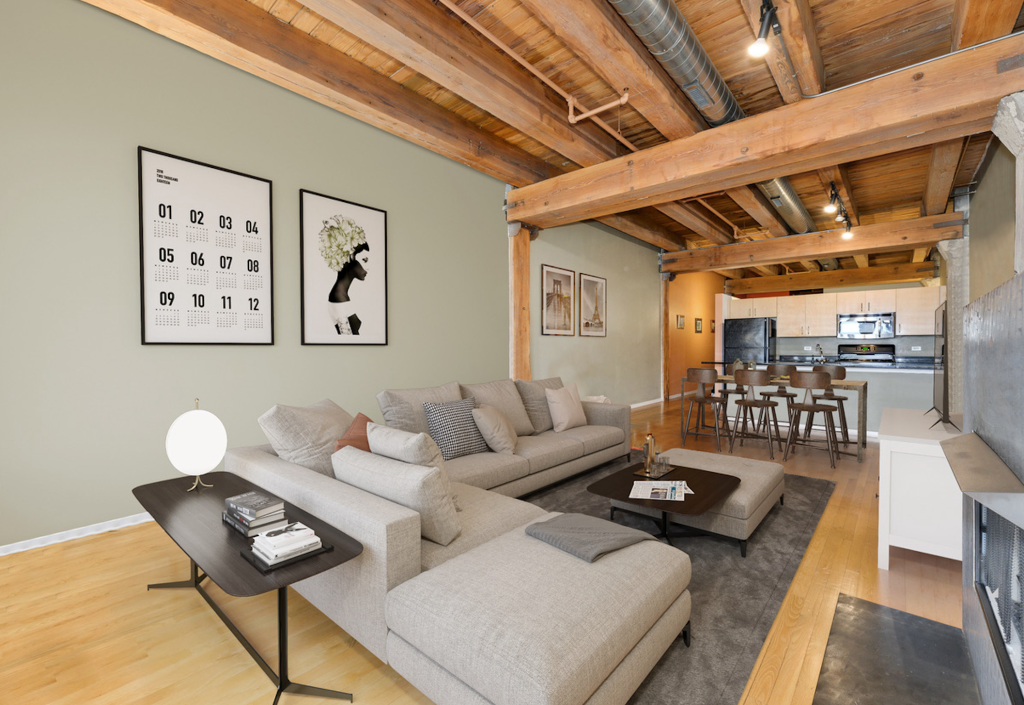
Timber loft unit 514 at 333 S DesPlaines; Chicago IL
What Is a Timber Loft?
A timber loft is built primarily with wood (timber) structural elements — beams, joists, and framing — supporting the space and often exposing wood grain and textures for character.
Advantages of Timber Lofts
Eco-Friendly & Sustainable
Wood is a renewable resource that stores carbon, making timber lofts more environmentally friendly than concrete alternatives.
Cost-Effective Construction
Timber structures typically cost less to build and require shorter construction time compared to concrete.
Excellent Insulation
Wood naturally traps heat, which helps retain warmth and reduce energy costs — a big plus in colder climates.
Flexible & Unique Aesthetic
Timber’s natural look appeals to modern, rustic, and bespoke interior design trends, engaging homeowners who value character.
Disadvantages of Timber Lofts
Fire Risk
Without treatment, timber is more combustible than concrete and may require additional fireproofing.
Moisture & Decay
Wood can absorb moisture and may be prone to rot or mold if not properly sealed or ventilated.
Maintenance Requirement
Timber may need regular inspection for pests and weather damage — something concrete largely avoids.
Concrete Loft: Strong, Durable & Modern

Concrete loft 3809 at Skybridge: 737 W Washington; Chicago, IL
What Is a Concrete Loft?
A concrete loft uses reinforced concrete slabs and beams to create robust flooring and support structures for internal loft spaces.
Advantages of Concrete Lofts
Exceptional Durability
Concrete resists fire, rot, pests, and moisture and offers long-lasting stability.
Great Soundproofing
Concrete naturally absorbs and blocks sound, making it ideal for urban lofts where noise control matters.
Thermal Mass Benefits
Concrete’s thermal properties help regulate indoor temperatures — reducing HVAC strain.
Architectural Freedom
It can be molded into varied shapes and designs, offering broad freedom in loft layouts.
Disadvantages of Concrete Lofts
Higher Costs
Concrete is typically more expensive in materials and labor compared to timber.
Heavy & Slow to Build
Its weight and curing time mean construction takes more time and logistics planning.
Cold Appearance
Concrete can feel cold underfoot and creates industrial atmospheres that aren’t for everyone.
Which Should You Choose?
Best For:
Timber Loft: Eco-conscious owners, warm aesthetic, budget-friendly builds.
Concrete Loft: Urban dwellers seeking durability, fire safety, and low maintenance.
Expert Tip
A hybrid approach — using timber plus concrete — is becoming popular to combine the best of both worlds: structural strength and sustainability with beautiful design flexibility.
Final Thought: Your Lifestyle Matters
Choosing between a timber or concrete loft isn’t just about materials — it’s about your values, budget, design taste, and long-term goals. Whether you want the organic charm of wood or the industrial resilience of concrete, understanding these differences helps you invest wisely.
Stay Connected
Ranked as a top 1% team in the Chicagoland market, Cory Tanzer and the Cory Tanzer Group specialize in the Chicago, North Shore, and Western Suburbs real estate market. With deep local market expertise and a proven track record, Cory and his team help clients buy and sell with clarity, confidence, and results.