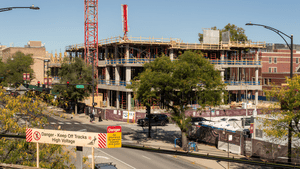
Chicago Bears New Stadium Update — Indiana vs Illinois

The long‑awaited future home of the Chicago Bears is no longer just talk — it’s now one of the most significant sports development debates in the Midwest. As 2026 begins, two major proposals are vying for the NFL franchise’s future: a new stadium in Illinois (primarily Arlington Heights) and a competitive pitch from Indiana, potentially across state lines. This article breaks down the latest developments, the pros and cons of each offer, and what it all means for fans, taxpayers, and the game‑day experience.
Why the Bears Want a New Stadium
The Bears currently play at Soldier Field, one of the oldest stadiums in the NFL. While iconic, Soldier Field has limitations:
The team does not own Soldier Field and operates under a lease with the Chicago Park District.
The venue lacks the revenue‑generating amenities typical of modern NFL stadiums (e.g., ample premium seating, year‑round event space, and controlled parking).
A new facility would allow the Bears to host marquee events beyond football, from concerts to international soccer matches.
The push for a new stadium is not just about comfort — it’s about competitiveness, financial stability, and long‑term growth.
Illinois Offer: Arlington Heights and Chicago Proposals
Arlington Heights — The Primary Illinois Option
The Bears have been pursuing a massive new stadium and entertainment district on a 326‑acre site in Arlington Heights, a Chicago suburb where they own land previously used as a racetrack. This has been the central Illinois proposal for more than a year.
Key Features
Fixed‑roof, climate‑controlled stadium designed to host NFL games and major events.
Mixed‑use development including retail, housing, office space, hotels, and more — turning the site into a year‑round destination.
Potential for Metra access and expanded parking, improving accessibility beyond Soldier Field’s limitations.
Pros
Keeps the team in Illinois and near its core fan base.
Represents a long‑term economic engine for the region, projected to create thousands of jobs and billions in economic impact.
Allows for modern amenities and infrastructure typical of elite NFL facilities.
Cons
Requires significant infrastructure improvements (roads, utilities, transit), and the Bears are seeking public support or approval for negotiated property tax terms.
Illinois state lawmakers have been slow to act; stalled legislation means delays in approvals and funding negotiations.
Not yet fully guaranteed — Arlington Heights remains the top plan, but not yet a done deal.
Chicago Location — Still on the Table?
Although earlier talks included renovating or building near Soldier Field, recent focus has shifted away from the lakefront and downtown Chicago options — at least for now — in favor of Arlington Heights.
Indiana Offer: A Bold New Pitch Across State Lines
In the past weeks, Indiana has emerged as a serious contender in the Bears stadium debate. State lawmakers have introduced legislation that would authorize a stadium authority to acquire land and begin financing aspects of a new facility aimed at attracting the Bears to Northwest Indiana (e.g., Hammond or Gary areas).
What Indiana Is Offering
Legislative action to create a stadium authority capable of supporting site acquisition and financing.
Potential incentives and support structures designed to lure the franchise into the state.
A location approximately 20 miles from Chicago, promising proximity for fans while offering favorable state incentive packages.
Why It’s Appealing
More proactive political response — a structured bill was already introduced this month.
No requirement for Illinois state approvals, reducing bureaucratic hurdles.
Strategic location that keeps Bears’ access close to Chicago’s fan base while promising economic impact for Indiana.
Potential Downsides
Leaving Illinois could upset a large portion of the Bears’ core fan base.
Indiana is also responsible for financing any infrastructure upgrades necessary — a risky investment with no guaranteed return.
Comparing Illinois vs Indiana — The Key Factors
Fans
Illinois
Easier access for Chicago natives and long‑time season ticket holders.
A local build helps preserve the identity and legacy in the city and area that made the franchise iconic.
Indiana
Still close enough geographically for many Chicago area fans.
Offers improved parking and tailgating potential compared to Soldier Field.
Taxes & Public Funding
Illinois
Bears want tax certainty and infrastructure assistance, which has been slow or contentious in Springfield.
Public debate centers on how much taxpayer money should be used.
Indiana
Lawmakers are proactively creating structures to attract the team, potentially lowering financial barriers.
The impact on Indiana taxpayers remains to be seen and will be scrutinized once details emerge.
Game Day Experience
Illinois
Arlington Heights plan aims for a state‑of‑the‑art stadium with modern amenities plus robust transit and parking.
Indiana
Proposed location in Northwest Indiana could offer spacious parking and less congestion than downtown Chicago — but detailed designs are still in early planning stages.
So, Where Will the Bears Actually Land?
At this moment, Illinois — and specifically a stadium in Arlington Heights — remains the Bears’ preferred public plan, largely because the team owns the land and has poured significant planning into this vision.
However, Indiana’s legislative momentum and competitive incentives have made it a credible alternative — one that has injected urgency into Illinois negotiations and gives the Bears real leverage.
The key variables that could decide the outcome in 2026 are:
Whether Illinois lawmakers approve the infrastructure support the Bears need.
Whether Indiana finalizes its stadium authority and incentive mechanisms.
The reaction of fans and taxpayers to a cross‑state departure.
Conclusion
This stadium saga is far from over, but one thing is clear: the Chicago Bears are seriously evaluating all viable options. Illinois offers tradition, history, and a massive development plan built around its own land. Indiana offers momentum, legislative action, and a fresh environment designed to make operations and stadium development smoother for the franchise.
Which will prevail? Fans, lawmakers, and economic interests will be watching every development closely — because the decision will shape the Bears’ future for decades.
Stay Connected
Ranked as a top 1% team in the Chicagoland market, Cory Tanzer and the Cory Tanzer Group specialize in the Chicago, North Shore, and Western Suburbs real estate market. With deep local market expertise and a proven track record, Cory and his team help clients buy and sell with clarity, confidence, and results.