East Loop Office Building at 70 E Lake May Join Chicago Loop Residential Conversion Trend
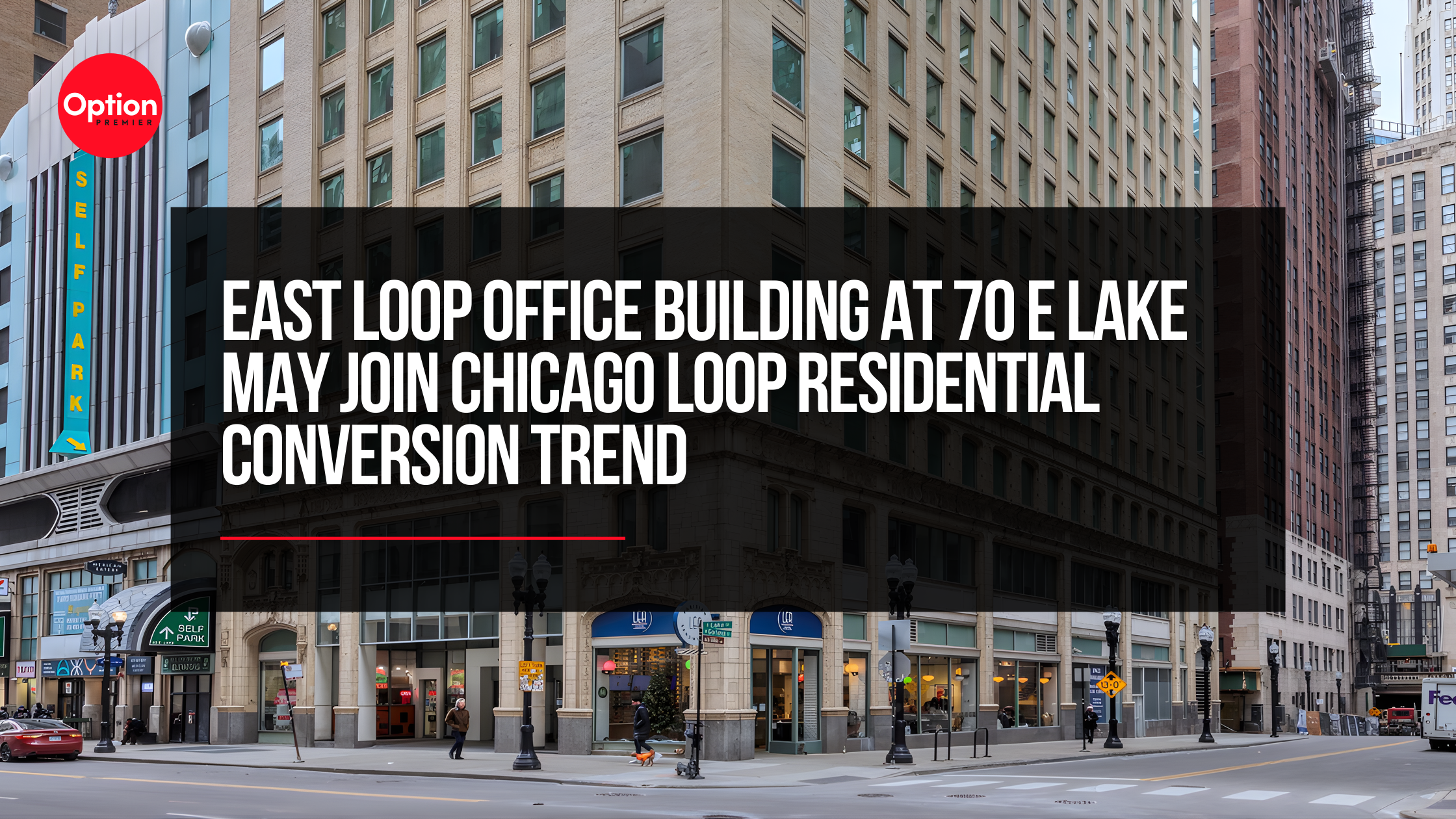
70 E Lake Street Could Be Converted to Residential Use Amid Office Market Shift
A 17-story office building at 70 E Lake Street in Chicago’s East Loop is being considered for conversion into residential or mixed-use space, reflecting a broader shift in how downtown real estate is being repurposed in response to changing demand patterns.
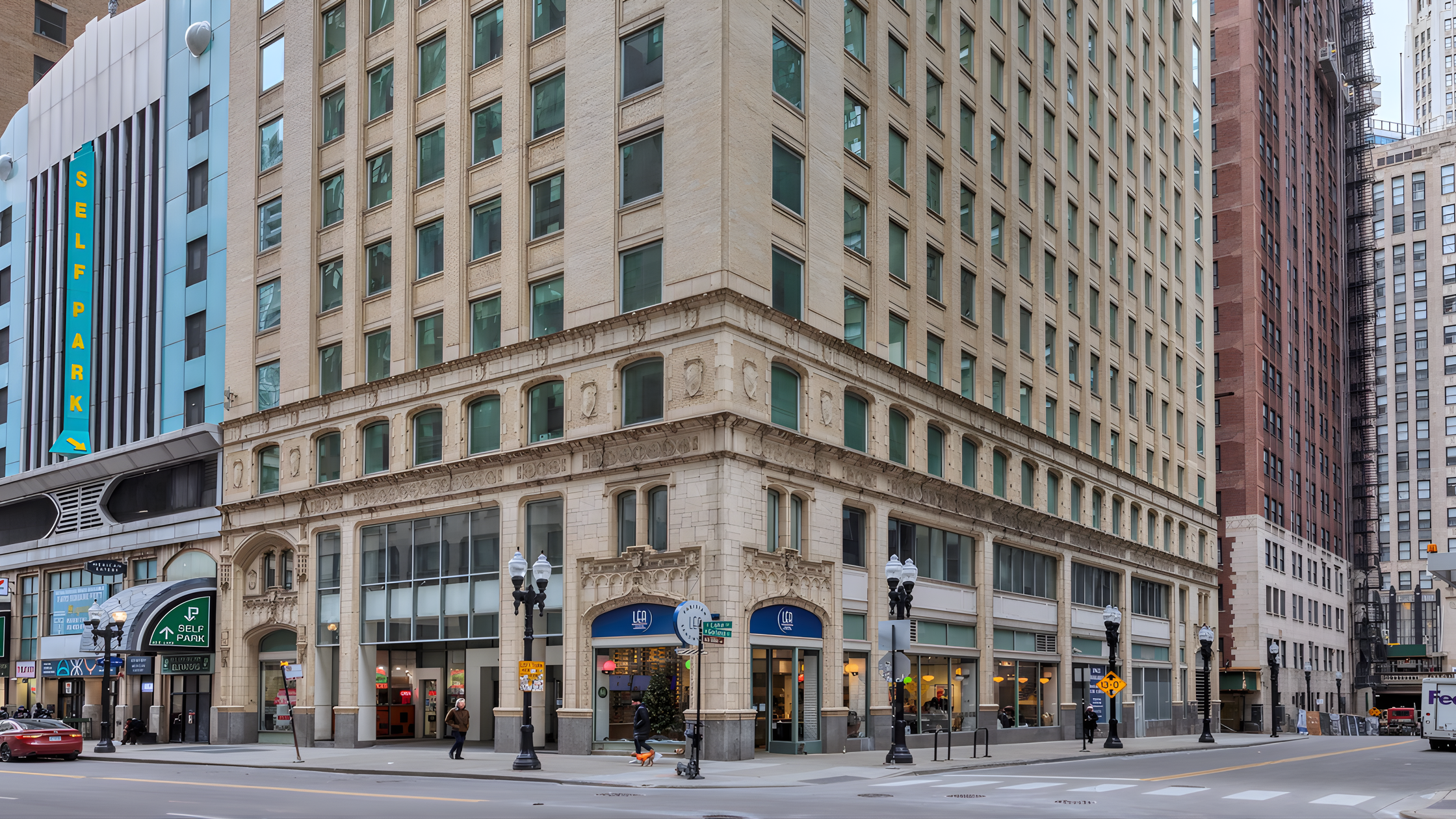
The building, constructed in 1927 and featuring distinctive Gothic Revival and early Art Deco architectural elements, is currently partially leased but has seen weak office demand in recent years, prompting interest from potential buyers seeking to adapt the space for housing or hospitality use.
Located between North Wabash Avenue and North Michigan Avenue with retail frontage on Lake Street just a half block from the “Magnificent Mile,” the site’s central location makes it a strong candidate for repositioning as part of the Loop’s emerging residential conversion trend.
Why Office-to-Residential Conversions Are Gaining Traction in Chicago
Downtown office occupancy has softened as remote work patterns continue to influence how companies use space. In response, cities across the U.S. are increasingly turning underused office buildings into apartments, condos, and mixed-use developments. This trend is especially strong in major urban centers where housing demand remains high even as commercial demand weakens.
Chicago is part of this pattern. Industry research estimates that thousands of future apartment units could emerge from office-to-residential conversions nationwide, and dozens of projects are already underway or in planning. In Chicago specifically, more than 3,600 future residential units have been identified through office conversion pipelines, highlighting the scale of adaptive reuse potential in the region.
The Loop, known for its concentration of historic commercial buildings, offers prime candidates for conversion because of factors like strong walkability, proximity to transit, and cultural amenities that make living downtown attractive to renters and buyers alike.
The Building at 70 E Lake: History and Conversion Potential
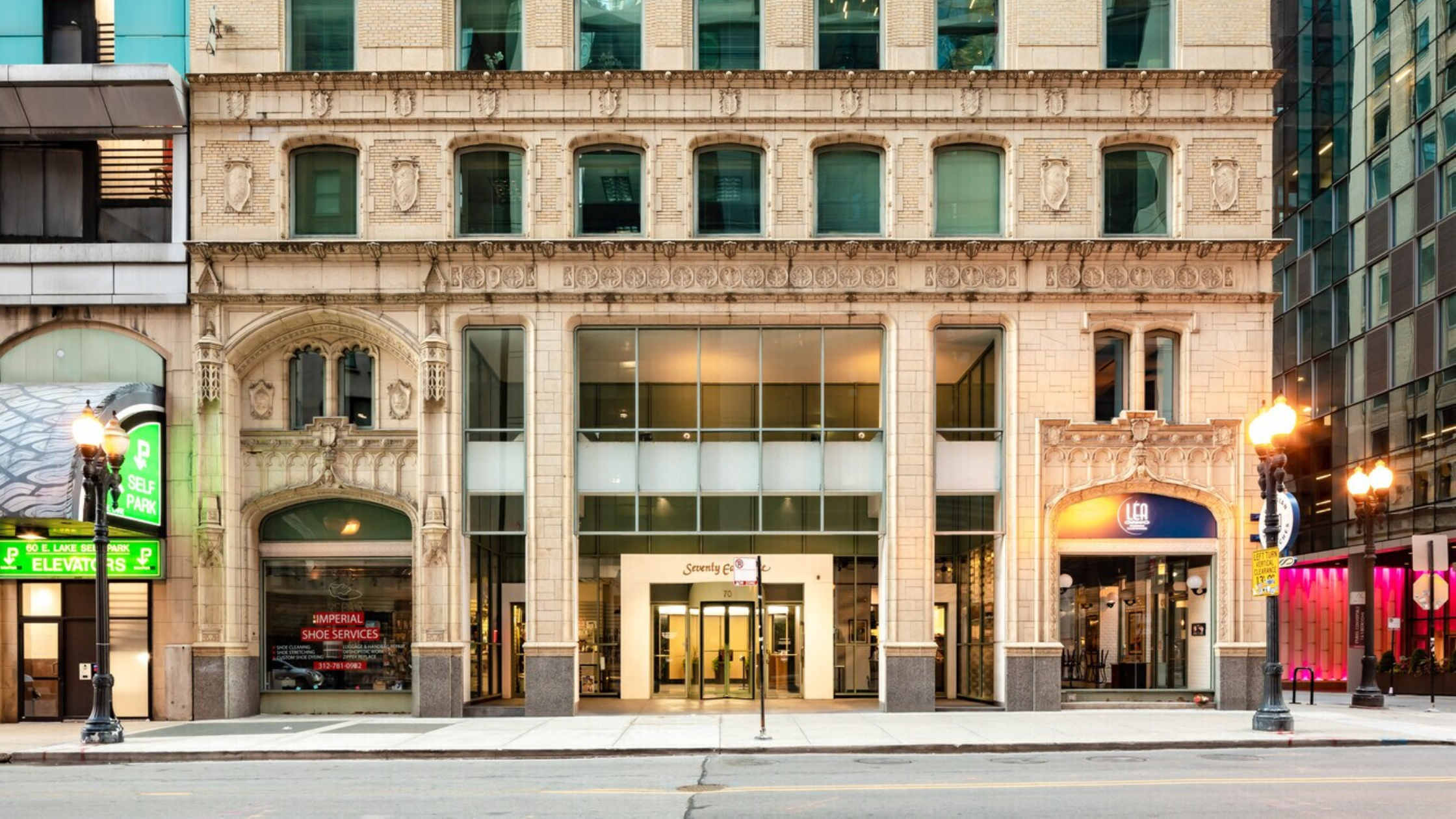
The property at 70 E Lake Street was originally developed by DePaul University and later repurposed into office space in 1983, after serving as academic and cultural space earlier in its history. Its brick and terra cotta façade and vertical massing give the building a distinctive presence on Lake Street, adding character that many conversion projects seek to preserve.
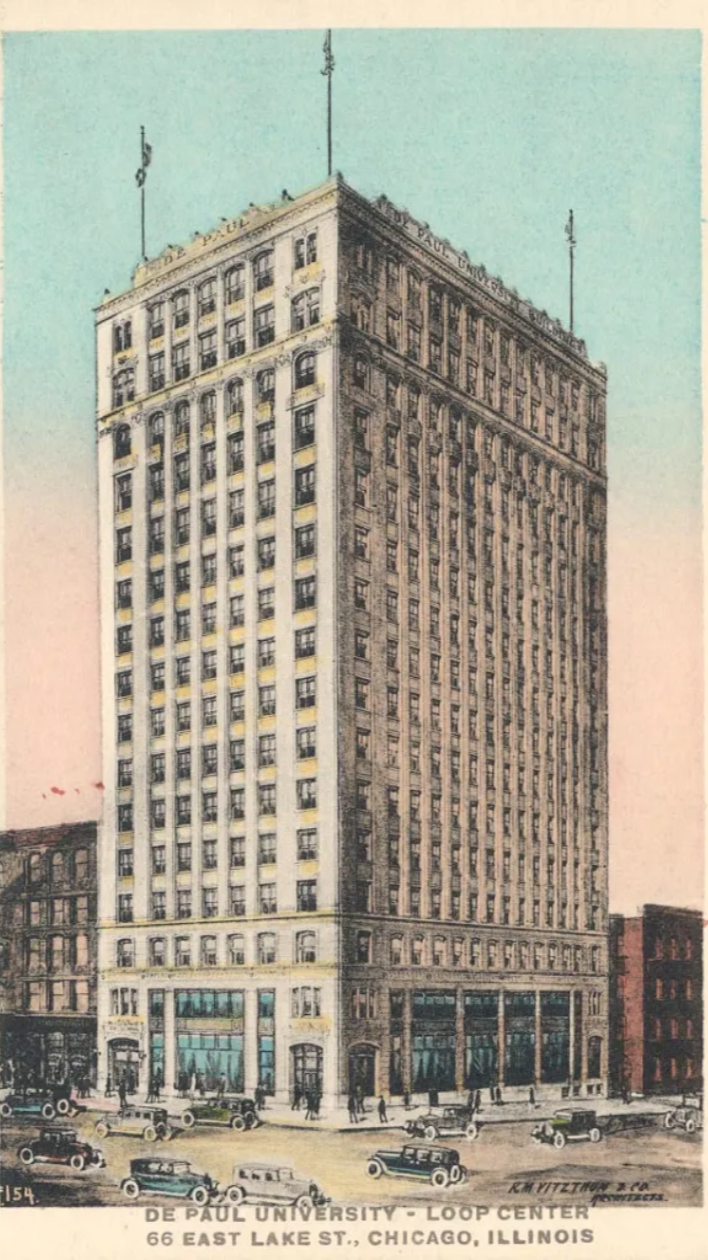
Postcard of 64 E. Lake Street, c.1910. (Photo Credits to DePaul University Library)
Today, the building totals roughly 140,000 square feet with typical floor plates just over 8,000 square feet — ideal proportions for residential conversion because narrower plates allow more natural light and better apartment layouts compared with deep commercial buildings.
Nearly all current office tenants have lease terms giving landlords termination rights, which further increases conversion flexibility. This makes 70 E Lake a compelling opportunity for developers interested in repositioning underused office inventory into differentiated housing product.
Location Advantage: A Loop Residential Lifestyle
If converted, 70 E Lake Street would join a growing list of downtown buildings adapted for residential use, contributing to the Loop’s evolution into a 24/7 neighborhood with strong live-work balance.
The Loop is already one of the most walkable and transit-accessible parts of the city, with a perfect walk score and transit score that reflects immediate access to multiple CTA lines and regional rail. This access appeals to residents seeking urban living without dependence on a car.
Proximity to cultural institutions, dining, theater, and retail also strengthens downtown living appeal. Over the past few years, multiple office buildings in and around the Loop have been proposed or approved for residential conversion — part of a larger adaptive reuse trend reshaping central Chicago.
What This Could Mean for Chicago’s Housing Market
Adaptive reuse projects like 70 E Lake Street recognize that downtown spaces must evolve to meet current market realities. Conversions create housing supply without relying on new greenfield development, preserving architectural heritage while adding much-needed units in high-demand urban cores.
As demand for urban living continues, the Loop’s conversion trend represents an important opportunity to diversify residential offerings and attract a range of households, from young professionals and empty nesters to investors and long-time city residents.
Should 70 E Lake move forward, it could signal continued confidence among developers and lenders in Chicago’s ability to innovate its real estate inventory and meet modern lifestyle needs.
Stay Connected
Ranked among the top 1 percent of real estate teams in the Chicagoland market, Cory Tanzer and the Cory Tanzer Group are experts in helping buyers and sellers navigate today’s market across Downtown Chicago, the North Shore, and the Western Suburbs. Recognized for their neighborhood expertise in areas like University Village, University Commons, South Loop, and Pilsen, the team helps clients stay one step ahead by understanding where the Chicago market is moving next.