Chicago's Blue Line Is Getting Another Major Rebuild. Here's What's Being Planned for the Forest Park Branch
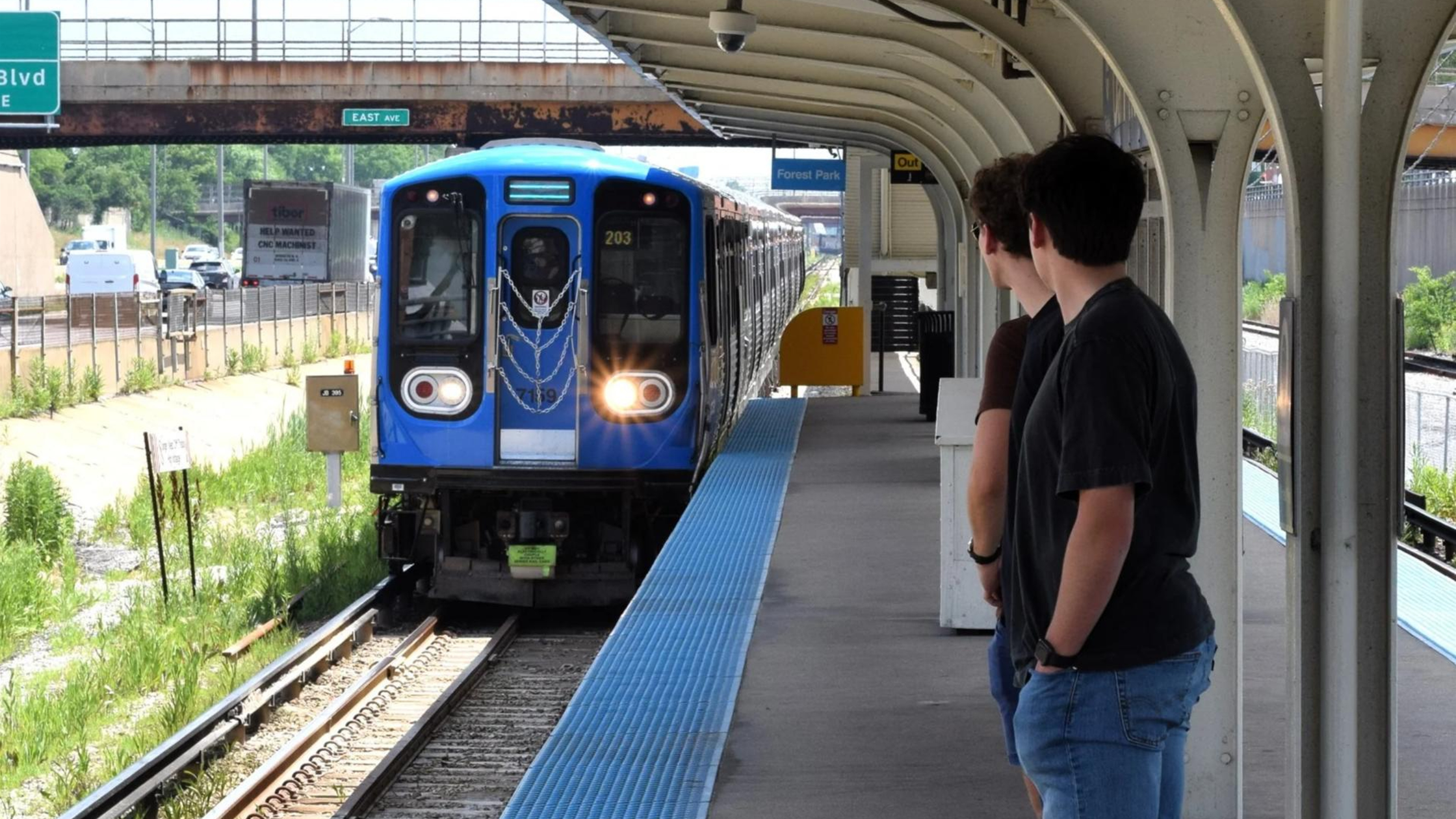
CHICAGO— Another major upgrade is moving forward for the CTA Blue Line, with plans to modernize approximately 13 miles of aging tracks connecting Chicago's Near West Side to the western suburbs.
The Chicago Transit Board approved a $17 million design contract on October 27, 2026, marking the next phase of the long-running Forest Park Branch Rebuild Project.
The improvements would address deteriorating tracks, outdated infrastructure, drainage problems and other issues that have affected train speeds and reliability for years.
More than 80% of the Forest Park Branch is currently classified as a slow zone, requiring trains to operate at reduced speeds for safety.
While construction dates for the newly awarded design segment have not been confirmed, the contract brings the CTA another step closer to rebuilding a major transit corridor serving Chicago residents, commuters and western suburban communities.
What's Included in the Next Blue Line Rebuild?
The CTA awarded the design contract to AECOM Technical Services, covering approximately 70,000 track feet, or 13 miles of track, between the Illinois Medical District station and the I-290 bridge just east of Forest Park.
The project involves more than replacing train tracks.
Planned engineering and design work includes:
Track improvements: Replacing aging rail infrastructure to support safer and more reliable service.
Signal upgrades: Modernizing equipment used to manage train movements.
Electrical improvements: Upgrading traction power infrastructure that supplies electricity to trains.
Drainage systems: Addressing water-management issues that can affect tracks and supporting infrastructure.
Utility improvements: Evaluating utilities and other facilities within the CTA right-of-way.
Expressway drainage review: Examining how drainage along I-290's shoulders affects Blue Line operations.
Much of the Forest Park Branch's infrastructure dates to 1958, when the rail line opened along the Eisenhower Expressway corridor.
Although routine maintenance and smaller improvements have continued over the decades, substantial portions of the infrastructure now require replacement or major upgrades.
The latest contract will help engineers determine how those improvements should be carried out before future construction begins.
Why Is the Forest Park Branch Being Rebuilt?
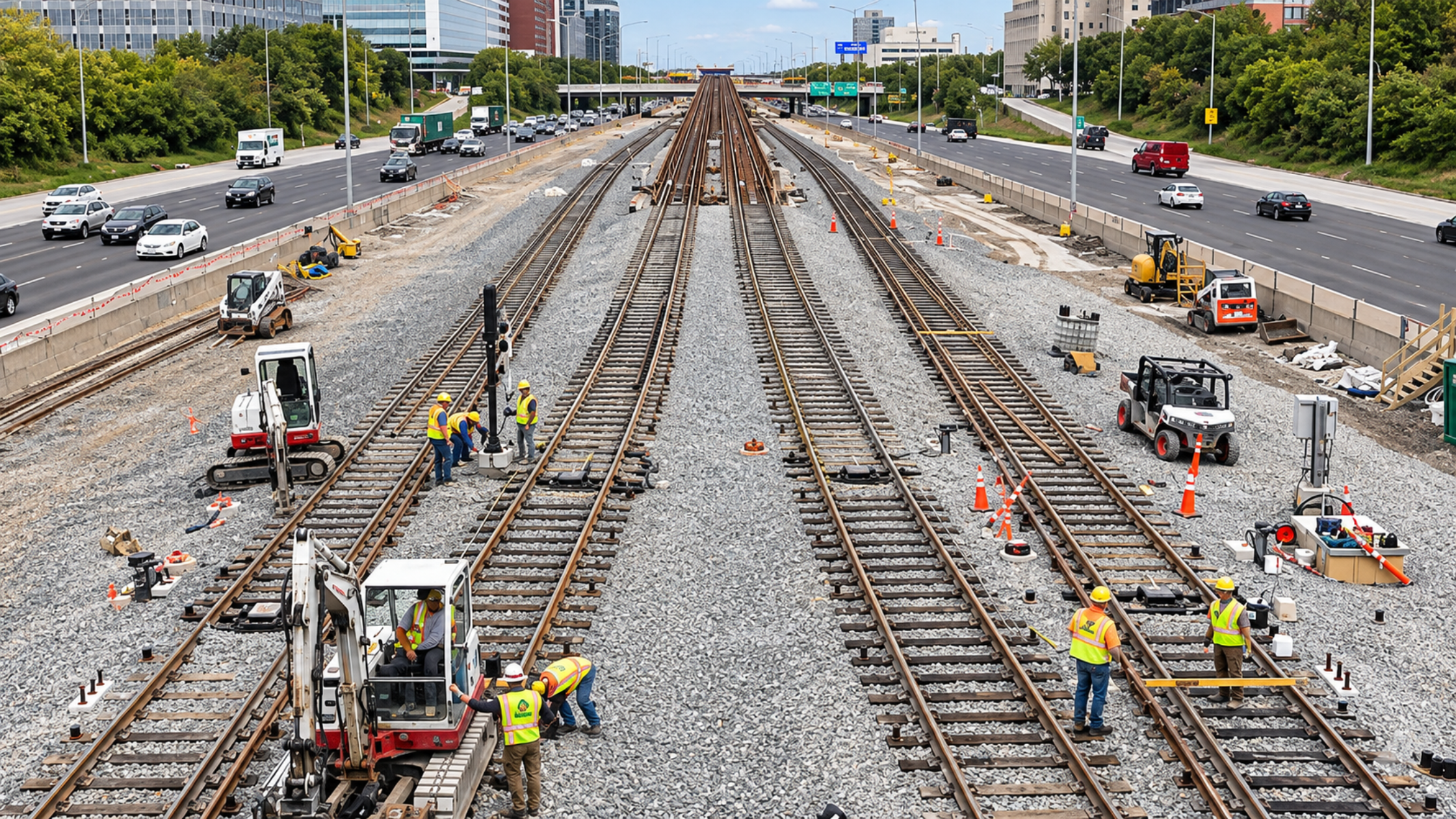
The Forest Park Branch has experienced longstanding infrastructure problems that affect service speed and reliability.
According to the CTA's Forest Park Branch Rebuild plan, approximately 84.4% of the branch was classified as restricted slow zones in its 2025 assessment.
These restrictions require trains to travel more slowly through affected sections, creating longer trips and limiting the line's operating efficiency.
The CTA has already completed significant improvements.
In 2023, the agency reconstructed nearly three miles of track between the LaSalle and Illinois Medical District stations as part of a $268 million first phase.
That work included replacing tracks, trackbeds and drainage infrastructure.
The project also included the modernization of the Racine station, whose rebuilt main entrance reopened in October 2025 with an elevator, longer platform and improved accessibility.
The next phase will build on those improvements by addressing additional sections farther west.
The broader program also aims to make all Forest Park Branch stations accessible to riders using wheelchairs and other mobility devices.
When Will Construction Begin?
The CTA expects design work on the newly awarded 13-mile segment to begin in late 2026.
A construction timeline for that portion of the Forest Park Branch has not yet been established.
However, a separate two-mile section between Kedzie Avenue and Keeler Avenue has already completed its design phase.
Construction on that section is currently expected to begin in 2027, supported by federal funding through the Reconnecting Communities Program.
The latest design contract also receives support from a $15.8 million Federal Highway Administration grant through its Carbon Reduction Grant Program.
The work is part of the broader Connect 290 Blue Program, established by the CTA, Illinois Department of Transportation and Chicago Metropolitan Agency for Planning to coordinate improvements along the Blue Line and Eisenhower Expressway corridor.
With more than four million transit riders traveling through the corridor annually, the redevelopment represents a significant long-term transportation investment.
For now, riders should continue checking CTA service alerts for any future construction-related changes.
Why Transportation Improvements Matter for Chicago Neighborhoods
Public transportation access is an important consideration for people deciding where to live in Chicago.
The Blue Line connects Downtown employment centers with residential neighborhoods, healthcare institutions and western suburban communities.
Modernizing the Forest Park Branch could eventually improve travel reliability and accessibility for residents who rely on public transportation.
For buyers and relocation clients considering University Village, Little Italy, the Near West Side or communities farther west, planned transit improvements are worth monitoring alongside housing prices, neighborhood amenities and commuting needs.
However, the reconstruction does not guarantee increases in nearby home values or rental prices.
Its most direct benefit would be improving the transportation infrastructure that residents and commuters use every day.
Explore Chicago Neighborhoods With Better Transit Connections
From established Near West Side communities to neighborhoods throughout Downtown Chicago, transportation access can play an important role in choosing where to live.
For buyers and relocation clients, understanding nearby CTA stations, commuting options and planned infrastructure improvements can help make the home search more informed.
The Cory Tanzer Group at Option Premier helps buyers, sellers and renters compare Chicago neighborhoods, evaluate available properties and understand local real estate conditions.
Looking for a home with convenient access to Downtown Chicago? Connect with our team to explore neighborhoods and find a property that fits your lifestyle, commuting needs and budget.
Stay Connected
Ranked among the top 1% of real estate teams in the Chicagoland market, The Cory Tanzer Group at Option Premier is recognized for proven sales performance, neighborhood expertise, and consistent results across Chicago and the surrounding suburbs.
In the 2026 RealTrends Verified rankings, based on 2025 sales data, the team completed 181 transaction sides representing $79.28 million in sales volume. The Cory Tanzer Group ranked No. 13 in Illinois by transaction sides, No. 20 in Illinois by sales volume, No. 270 nationally by transaction sides, and No. 439 nationally by sales volume.
The team also earned The CARLY, the highest honor for Platinum Sales Dollars and Platinum Units Sold, at the Chicago Association of REALTORS® Sales Awards.
Led by Cory Tanzer, the team helps buyers, sellers, investors, landlords, and renters navigate real estate across Downtown Chicago, the North Shore, and the Western Suburbs, with local expertise in University Village, University Commons, South Loop, West Loop, Little Italy, Pilsen, and surrounding Chicagoland communities.
Connect with The Cory Tanzer Group at Option Premier for trusted local market insight, personalized guidance, and a proven strategy for your next Chicago real estate move.