Buying a Chicago Condo? Are HOA Fees Included in Your Mortgage?
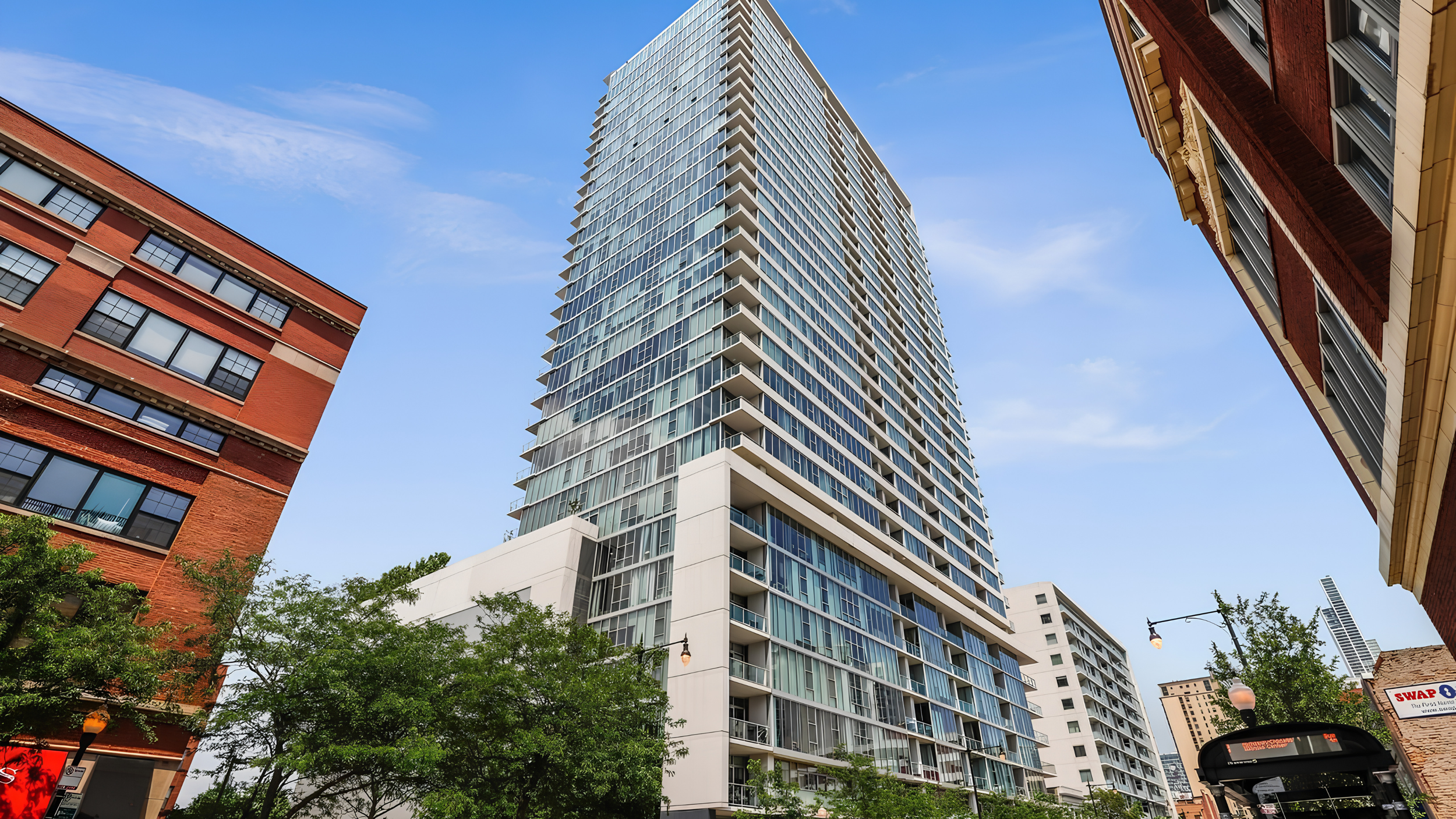
Location-specific residential building photograph, 1720 S. Michigan Avenue. Image source: Redfin. Photographer and reuse rights unverified.
CHICAGO—When shopping for a condo in Chicago, the monthly mortgage payment is only part of the cost of owning the property.
One expense buyers sometimes overlook is the condominium association fee, commonly called an HOA fee or monthly assessment.
Condo HOA fees are usually not included in your monthly mortgage payment. Instead, you generally pay them separately to the condominium association or its property management company.
For buyers considering condos in the South Loop, West Loop, University Village, University Commons, and other Chicago neighborhoods, understanding these payments is essential before making an offer.
Here's what condo association fees cover, how they affect your monthly budget, and what to check before purchasing.
Are Chicago Condo HOA Fees Included in Your Mortgage Payment?
Usually not. According to the Consumer Financial Protection Bureau (CFPB), condo association dues are generally paid directly to the association rather than included in the mortgage payment sent to your loan servicer.
Your mortgage payment typically includes principal and interest. It may also include property taxes and insurance premiums if your lender collects those expenses through an escrow account.
Condo association fees are a separate financial obligation.
For example, a Chicago condo owner might make two monthly payments:
Mortgage payment: Paid to the mortgage servicer, potentially including escrowed taxes and insurance.
Condo association dues: Paid directly to the condominium association or property management company.
In less common cases, a mortgage servicer may agree to collect HOA dues through escrow. Buyers should confirm their specific payment arrangements with their lender.
The important distinction is that the amount you pay your mortgage company may not represent your total monthly housing cost.
How Much Does It Really Cost to Own a Chicago Condo Each Month?
Consider a hypothetical Chicago condo purchased for $350,000, with a 20% down payment.
The buyer finances $280,000 through a 30-year fixed-rate mortgage.
Using an illustrative interest rate of 6.5%, the estimated monthly principal and interest payment would be approximately $1,770.
But that's not the full cost of ownership.
Example: Monthly Chicago Condo Ownership Costs
| Monthly Expense | Estimated Cost |
|---|---|
| Mortgage Principal & Interest | $1,770 |
| Property Taxes | $500 |
| Individual Condo Insurance | $70 |
| Condo Association / HOA Fees | $450 |
| Total Monthly Housing Cost | $2,790 |
Hypothetical $350,000 condo with 20% down and a $280,000 mortgage at a 6.5% fixed interest rate for 30 years. Rounded figures, not a loan quote. Excludes utilities, repairs, special assessments, and other potential costs. CFPB mortgage guidance
This is a hypothetical calculation, not a mortgage quote or an estimate for a specific Chicago condo. The interest rate, property taxes, insurance premium, and HOA fees are assumptions for illustration.
In this example, the buyer could pay approximately $2,340 to the mortgage servicer if property taxes and insurance are escrowed, plus another $450 directly to the condo association.
That brings the total monthly housing expense to approximately $2,790 before utilities, interior maintenance, and other potential costs.
The example assumes 20% down, so it does not include private mortgage insurance. Buyers using smaller down payments may have additional insurance costs depending on their loan.
This is why comparing Chicago condos based on their advertised mortgage payment alone can be misleading.
Two properties with similar asking prices can have very different total monthly expenses.
What Do Chicago Condo HOA Fees Actually Cover?
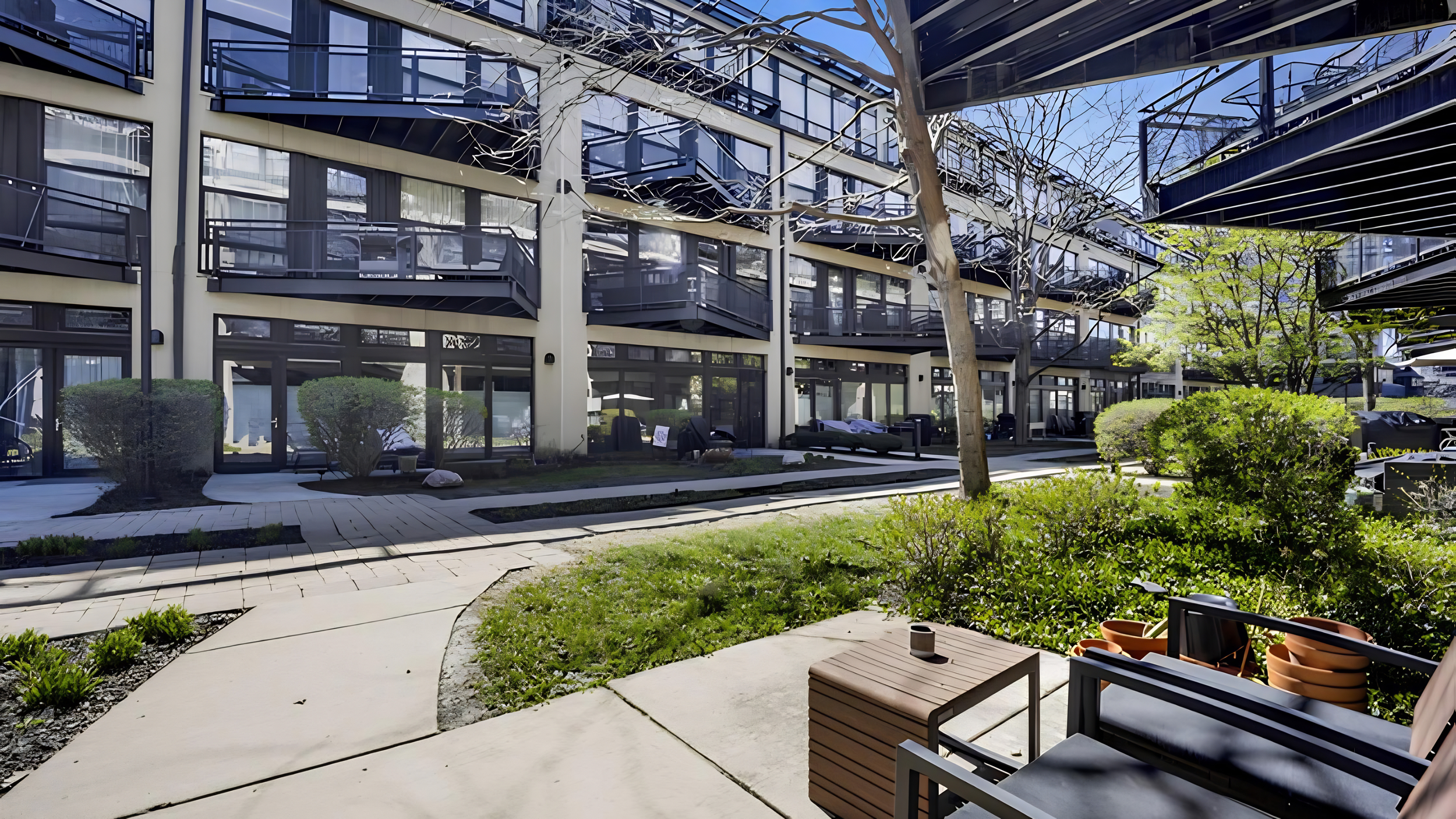
Photo from an existing Option Premier University Commons listing.
Monthly condo assessments help pay for the shared expenses of maintaining and operating a condominium building or community.
Depending on the association, the fee may cover:
Maintenance and repairs for common areas
Building exterior maintenance and landscaping
Snow removal and waste collection
Elevator maintenance and shared building systems
Building management and common-area staffing
Master insurance for covered building components
Contributions to the association's reserve fund
Amenities such as fitness centers, pools, or shared outdoor spaces
Certain utilities, such as water, heat, or internet, where included
Not every Chicago condo association offers the same services.
A smaller walk-up building in Pilsen or Little Italy may have a different assessment structure from a full-service high-rise in the South Loop or River North.
Higher dues are not automatically a sign of poor value. A larger fee may cover expenses that would otherwise be paid separately, such as heat, parking, internet, or building amenities.
For example, a recent South Loop condo transaction at Burnham Park Plaza involved an approximately $1,925 monthly assessment at the time of sale. The published assessment included heat, air conditioning, water, garage parking, cable, internet, door staff, and other building services.
That figure is specific to that property, not a typical Chicago HOA fee.
When comparing condos, buyers should ask exactly what the association dues include rather than judging the amount by itself.
Also, association master insurance does not necessarily replace the need for your own condo-unit insurance, commonly called an HO-6 policy.
Do HOA Fees Affect Your Mortgage Approval?
Yes. Even though association fees are generally paid separately, mortgage lenders still consider them when evaluating affordability.
For applicable conventional loans, Fannie Mae requires lenders to account for association dues when calculating a borrower's monthly housing expense.
That means a $450 monthly assessment can affect how much a buyer qualifies to borrow, even though it isn't being paid directly to the mortgage lender.
A lender may evaluate several expenses together, including:
Mortgage principal and interest
Property taxes
Homeowners or condo insurance
Mortgage insurance, if applicable
Regular association dues
Other required housing assessments
This matters when buyers are comparing two Chicago condos at similar price points.
One property may have a lower purchase price but higher monthly assessments. Another may cost more upfront but have lower recurring fees.
The better approach is to compare the complete monthly cost of ownership and the services included, not just the asking prices.
A preapproval should account for the actual association fee of the property you're considering. If you switch to a building with substantially different dues, ask your lender to update the affordability calculation.
What About Special Assessments?
Regular HOA fees aren't the only association expense buyers should understand.
A condominium association may also impose a special assessment to fund significant projects or expenses, such as roof replacement, major building repairs, or other shared costs.
Special assessments may be due as a lump sum or through installments, depending on the association's decisions and applicable requirements.
They can create an additional financial obligation beyond regular monthly dues.
That's why buyers should review the association's budget, reserves, and known or anticipated major expenses before purchasing.
What Should Chicago Condo Buyers Check Before Making an Offer?
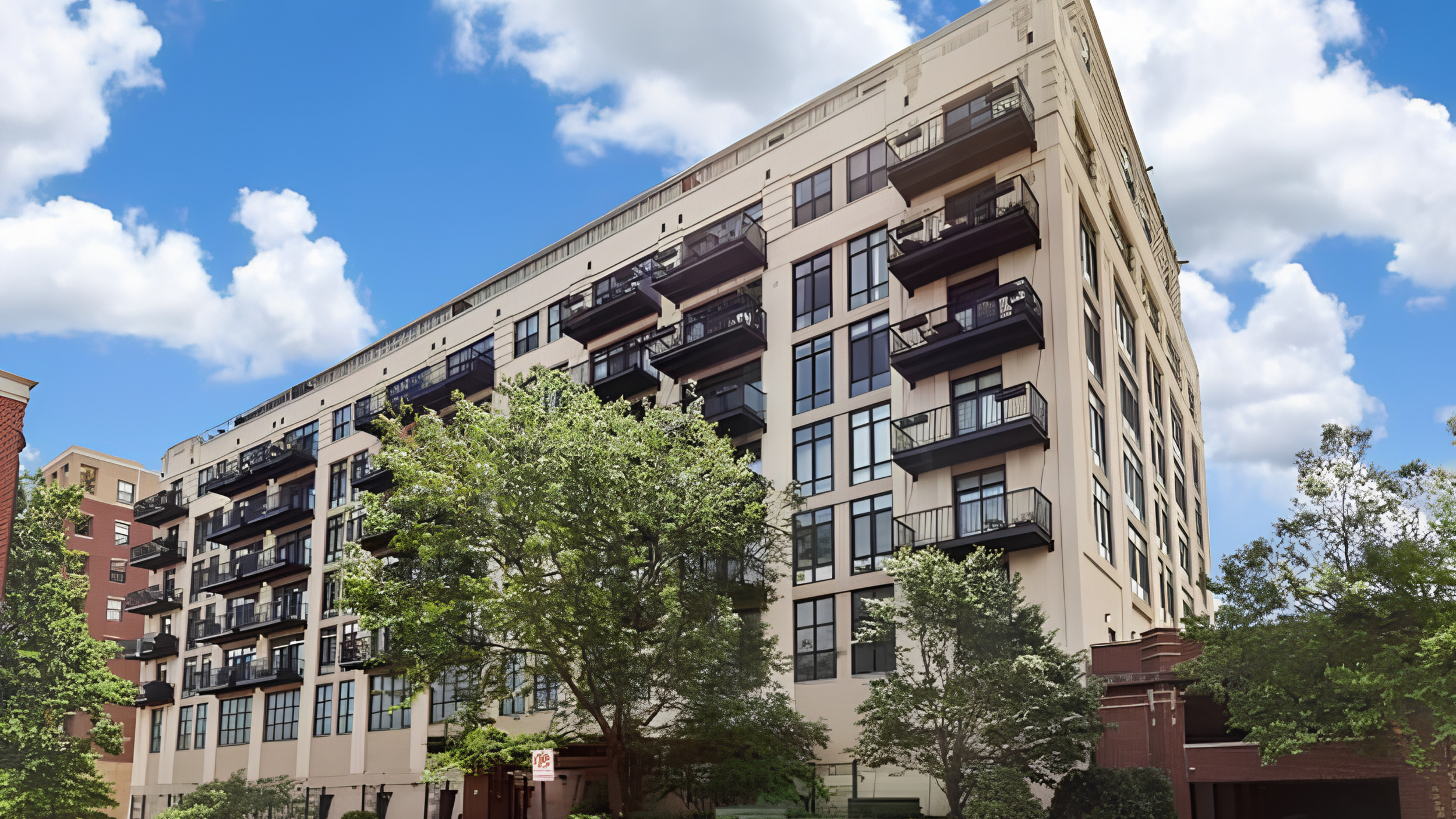
Before purchasing a condo, buyers should understand both the unit's expenses and the financial condition of the association.
Under Section 22.1 of the Illinois Condominium Property Act, resale buyers can request important association information through the seller, including financial records and other disclosures.
Some of the most useful items to review include:
1. Current monthly assessments. Confirm the exact fee for the unit, payment frequency, and whether parking or additional association charges apply.
2. Association budget and reserves. Review the association's financial position and its plans for future repairs and replacement costs.
3. Special assessments and upcoming projects. Ask about approved assessments, anticipated capital expenditures, and major maintenance projects.
4. Insurance coverage. Find out what the association's master policy covers and what separate insurance you may need for your own unit.
5. Included utilities and amenities. Determine whether heat, water, internet, parking, and other services are included or billed separately.
For Chicago condo buyers, these details are especially important when comparing properties across buildings with different amenities, maintenance needs, and financial structures.
A condo in University Commons may have a different association structure from a high-rise in the South Loop or a boutique building in the West Loop.
Reviewing these details with a local real estate professional, your lender, and an Illinois real estate attorney can help you make a more informed decision before closing.
The Bottom Line: Budget Beyond Your Mortgage Payment
Chicago condo HOA fees are generally separate from your mortgage payment, but they're still part of the total cost of homeownership.
Before purchasing, calculate your mortgage principal and interest, property taxes, insurance, association dues, and any additional expenses not included in the monthly assessment.
A lower mortgage payment doesn't always mean a more affordable condo.
The right purchase is one where the property's overall cost, association financial condition, and included services align with your budget and lifestyle.
Buying a Condo in Chicago? Work With Local Condo Experts
Finding the right Chicago condo involves more than comparing floor plans and purchase prices.
Building reserves, monthly assessments, parking arrangements, association restrictions, financing requirements, and maintenance history can all influence what a property costs to own.
The Cory Tanzer Group at Option Premier helps buyers explore condominiums across the South Loop, West Loop, University Village, University Commons, and surrounding Chicagoland neighborhoods.
Our team can help you compare available properties, understand building-specific considerations, and work with your lender and attorney to evaluate your options.
Explore Chicago condos and connect with The Cory Tanzer Group.
Stay Connected
Ranked among the top 1% of real estate teams in the Chicagoland market, The Cory Tanzer Group at Option Premier is recognized for proven sales performance, neighborhood expertise, and consistent results across Chicago and the surrounding suburbs.
In the 2026 RealTrends Verified rankings, based on 2025 sales data, the team completed 181 transaction sides representing $79.28 million in sales volume. The Cory Tanzer Group ranked No. 13 in Illinois by transaction sides, No. 20 in Illinois by sales volume, No. 270 nationally by transaction sides, and No. 439 nationally by sales volume.
The team also earned The CARLY, the highest honor for Platinum Sales Dollars and Platinum Units Sold, at the Chicago Association of REALTORS® Sales Awards.
Led by Cory Tanzer, the team helps buyers, sellers, investors, landlords, and renters navigate real estate across Downtown Chicago, the North Shore, and the Western Suburbs, with local expertise in University Village, University Commons, South Loop, West Loop, Little Italy, Pilsen, and surrounding Chicagoland communities.
Connect with The Cory Tanzer Group at Option Premier for trusted local market insight, personalized guidance, and a proven strategy for your next Chicago real estate move.