First-Time Homeowner? Don't Skip These Crucial Winterizing Projects
Finally holding the keys to your own home is nothing short of exciting, but you'll soon learn that the first full year of homeownership comes with lots of surprises. One of the biggest adjustments is realizing that seasonal home maintenance is now your responsibility—and winter is one season you don't want to be caught unprepared for.

Your first Chicago winter as a homeowner can bring a few surprises, especially when you realize you're now responsible for keeping the furnace running, preventing frozen pipes and protecting the property from snow and ice.
With November underway, now is a good time to prepare before temperatures drop further across Chicago and the surrounding suburbs.
Winterizing doesn't necessarily require expensive renovations. A few preventive maintenance tasks can help reduce heating costs, prevent water damage and avoid unexpected repairs during the coldest months.
Here are seven projects Chicago homeowners should prioritize before winter arrives.
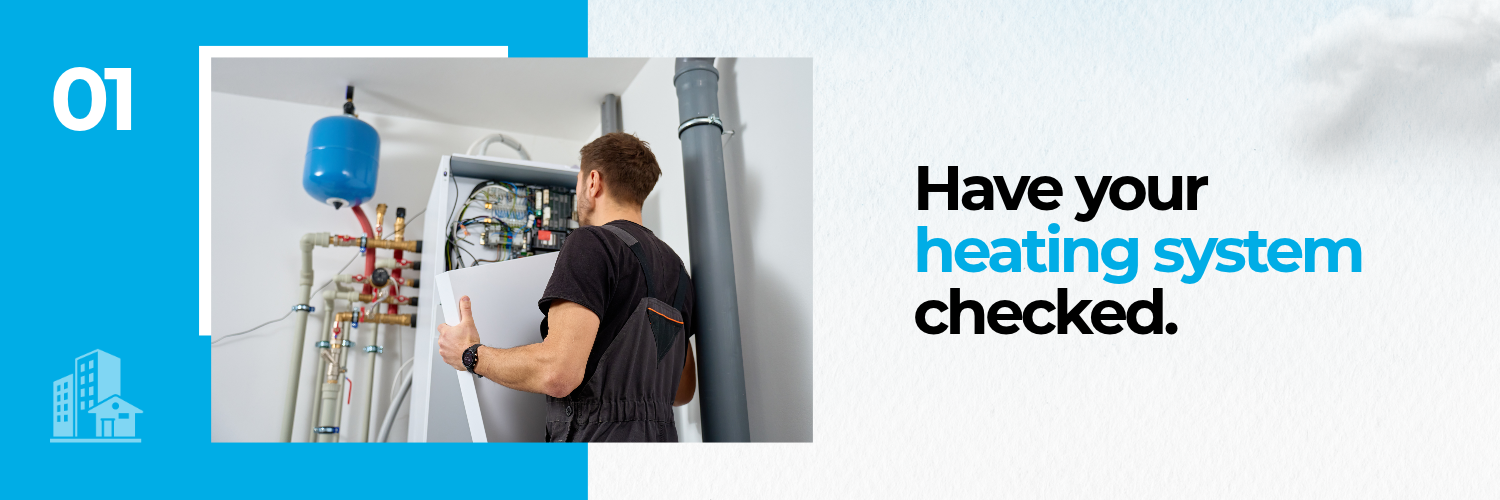
Have Your Heating System Inspected Before the Coldest Weather
Your furnace, boiler or heat pump will work harder as temperatures fall, making early maintenance one of the most important winter preparations.
Schedule a professional heating inspection, particularly if you recently purchased an older home or don't know when the system was last serviced.
The ENERGY STAR maintenance checklist recommends annual pre-season inspections to identify potential issues before equipment is needed most.
Also check your air filters, thermostat and heating vents. Uneven temperatures, unusual noises or frequent cycling may indicate that your system needs attention.
For Chicago condo owners: Confirm whether heating equipment is maintained individually or through your building's association.
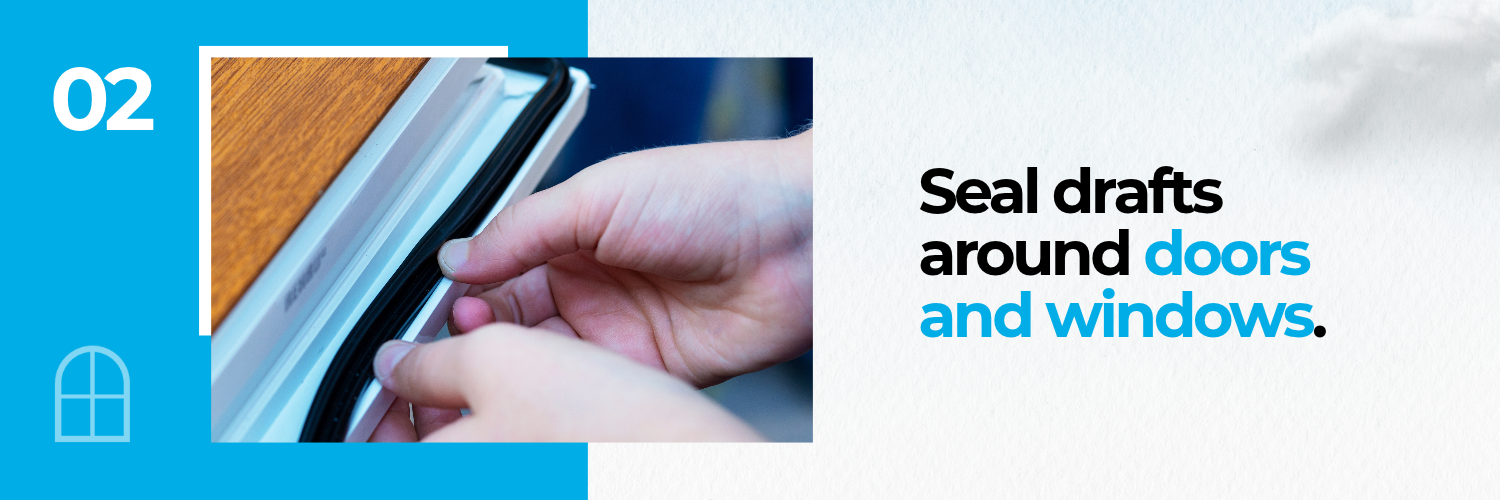
Seal Drafts Around Windows and Doors
Feeling cold air around your windows doesn't always mean you need expensive replacements.
Older Chicago homes, especially historic brick houses and vintage condos, may develop gaps around window frames, doors and other openings.
Weatherstripping and caulking can help reduce unwanted air movement and improve indoor comfort.
Start by checking exterior doors, older windows, attic access points and areas where utility lines enter the house.
The U.S. Department of Energy recommends air sealing as an effective way to improve energy efficiency.
Winter tip: Address obvious drafts before increasing your thermostat setting. Small air leaks can make rooms feel colder even when your heating system is working.
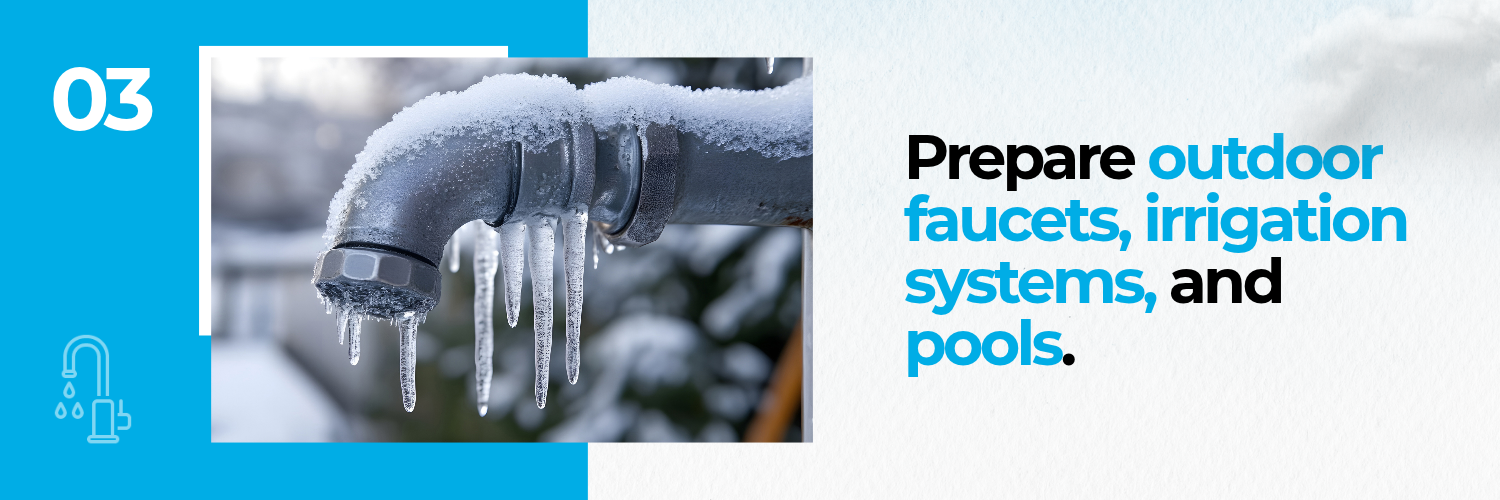
Protect Outdoor Plumbing and Water Lines
Frozen plumbing can create expensive problems during a Chicago winter.
Water expands when it freezes, potentially damaging pipes, outdoor faucets, irrigation systems and connected equipment.
Before temperatures stay below freezing:
Disconnect and store garden hoses.
Drain outdoor water lines where applicable.
Shut off exterior water supplies when appropriate.
Insulate vulnerable plumbing in unheated areas.
Arrange professional winterization for irrigation systems when needed.
If your property has a swimming pool or outdoor water feature, ask a qualified professional about the appropriate winterization procedure.
One of the most useful steps for first-time homeowners is locating the main water shutoff valve.
Knowing how to stop the water supply quickly can make a significant difference if a pipe bursts.
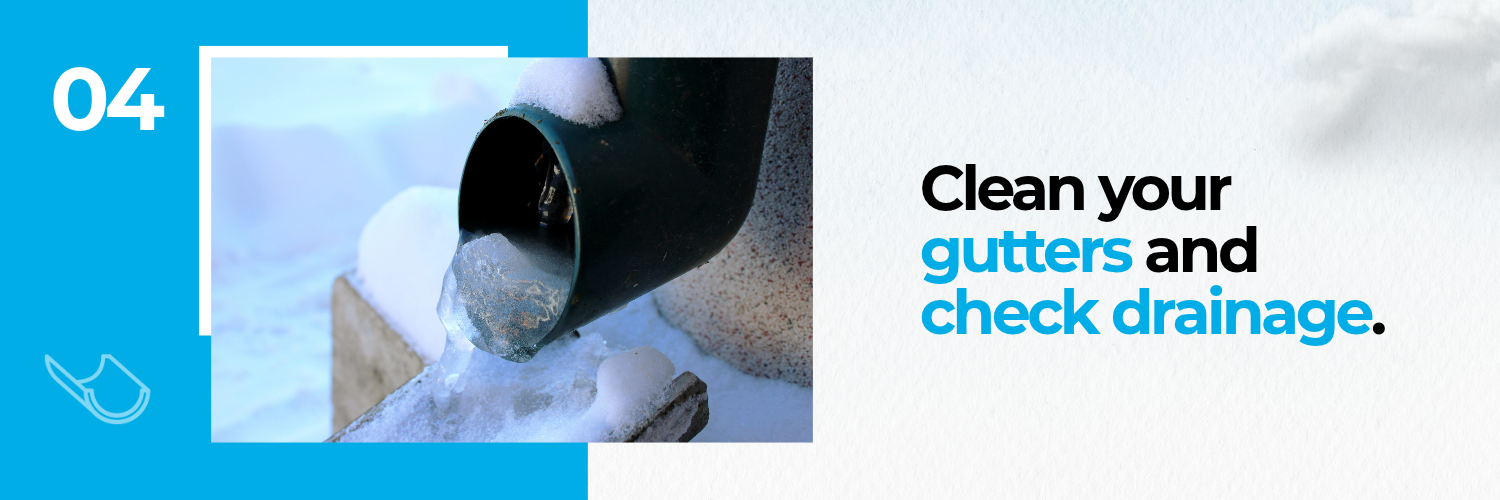
Clean Gutters and Check Roof Drainage
Chicago's fall leaves may look beautiful, but they can also clog gutters and downspouts.
When drainage systems become blocked, water from rain or melting snow may collect near the roofline or foundation.
After most leaves have fallen, inspect gutters for debris, loose connections and damage.
Make sure downspouts direct water away from your home's foundation.
Homeowners should also watch for signs of roof leaks, water stains and recurring ice dams.
Ice dams can develop when escaping heat causes roof snow to melt and refreeze along colder edges. Addressing attic air leaks and insulation problems can help reduce this risk.
For condo owners: Roofs and gutters may be common elements maintained by the homeowners association. Report potential problems to building management rather than attempting repairs yourself.
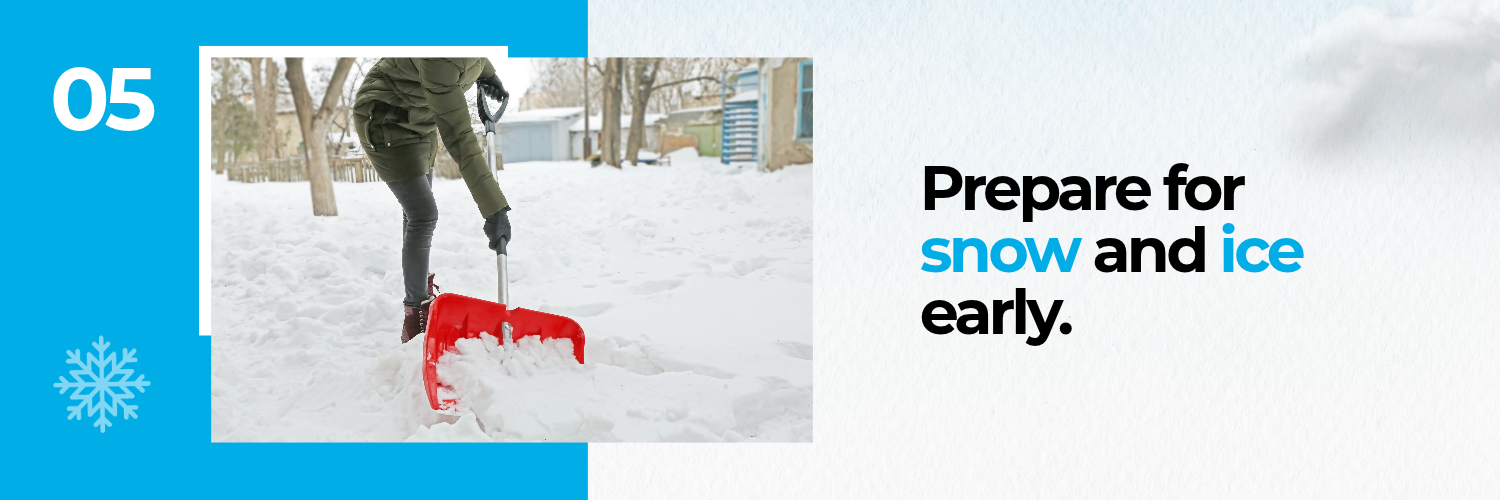
Prepare for Snow and Ice Removal
Chicago winters can bring sudden snowfall, icy sidewalks and slippery driveways.
Having the right supplies ready before the first major storm can make winter maintenance easier.
Consider preparing:
Snow shovels and ice scrapers.
Appropriate ice-melting products.
Working snow-removal equipment.
Supplies for maintaining safe walkways and steps.
Chicago homeowners should also understand local snow-removal responsibilities.
The City of Chicago requires responsible property occupants to clear snow from adjoining public sidewalks within specified timeframes. Requirements can differ in suburbs such as Elmhurst, Lombard, Wheaton and Naperville.
If you live in a townhouse community or condominium building, check whether snow removal is included in your HOA services.
Winter tip: Pay particular attention to entryways, stairs, porches and frequently used walking paths where ice can create safety hazards.
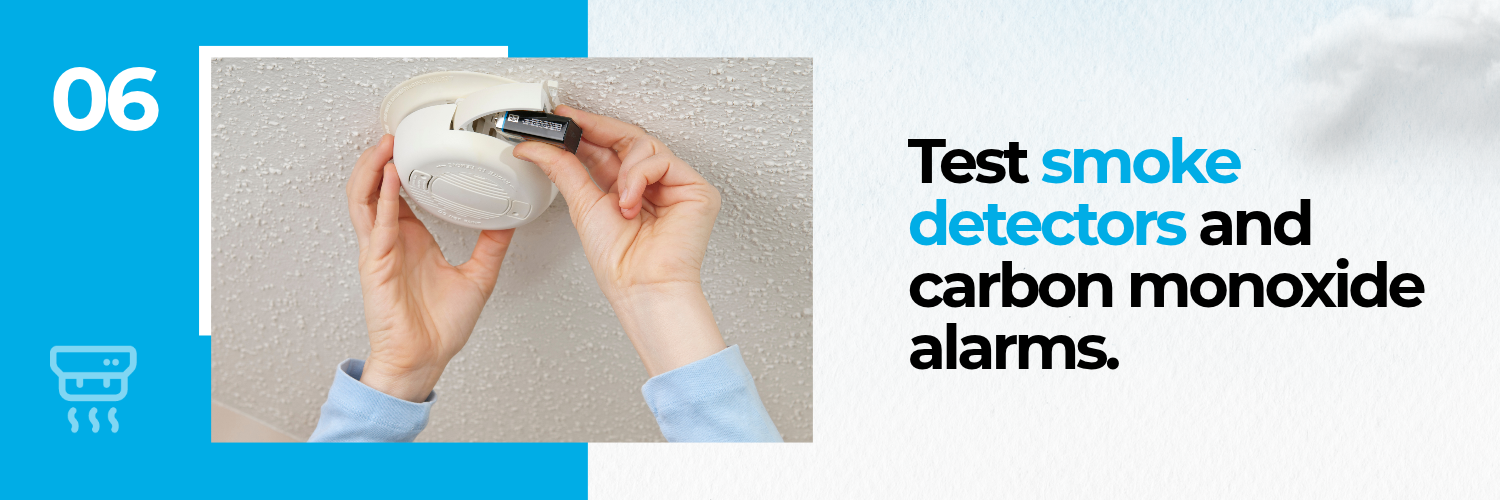
Test Smoke and Carbon Monoxide Alarms
Winter means more time indoors with heating equipment running and windows closed.
That makes smoke and carbon monoxide alarm maintenance especially important.
Before winter, test every alarm and replace batteries or expired devices according to the manufacturer's instructions.
Carbon monoxide is particularly dangerous because it is colorless and odorless.
The Centers for Disease Control and Prevention warns against operating generators, grills or other fuel-burning outdoor equipment inside homes or enclosed spaces.
If you recently purchased your home, don't assume the previous owner maintained every safety device.
Confirm that smoke and carbon monoxide alarms are installed in the locations required by applicable codes.
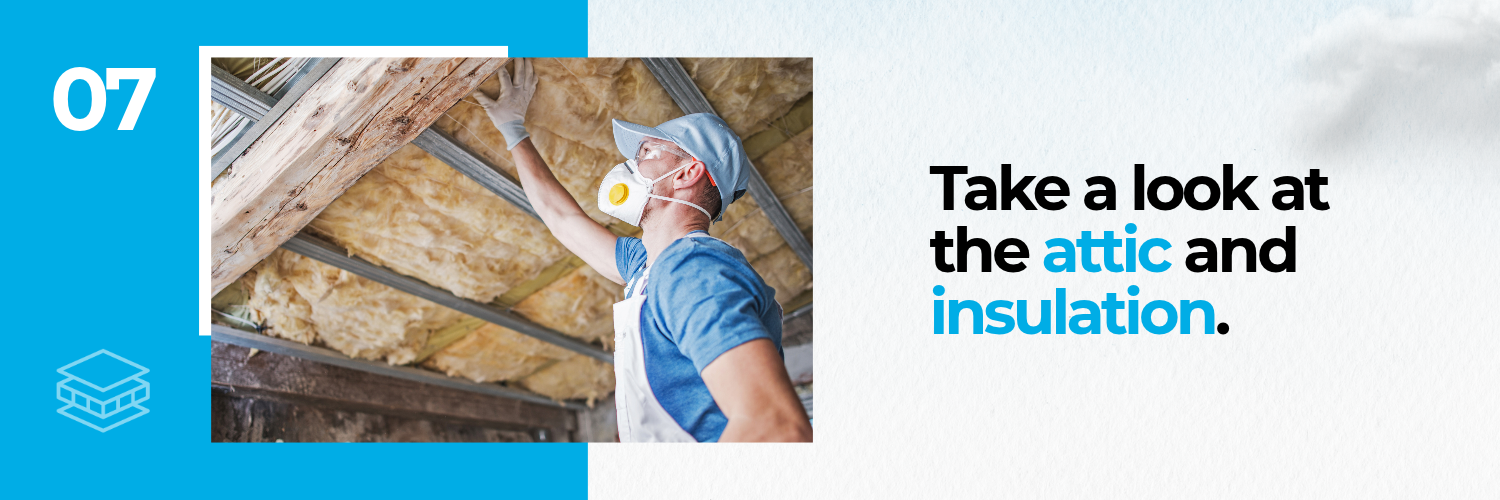
Check Attic Insulation and Air Sealing
Your attic plays an important role in keeping your Chicago home comfortable during winter.
Poor insulation and uncontrolled air leaks can allow heated air to escape, making some rooms difficult to warm.
These conditions may also contribute to uneven roof temperatures and ice dams during snowy weather.
If you notice unusually cold rooms, drafts near the ceiling or recurring ice buildup, your attic may need attention.
A professional assessment can help determine whether the problem involves insulation, air sealing, ventilation or moisture.
Winter tip: Adding more insulation isn't always the complete solution. Existing air leaks and moisture issues may need to be addressed first.
For condo owners, attic and roof spaces may fall under HOA management, particularly in larger buildings.
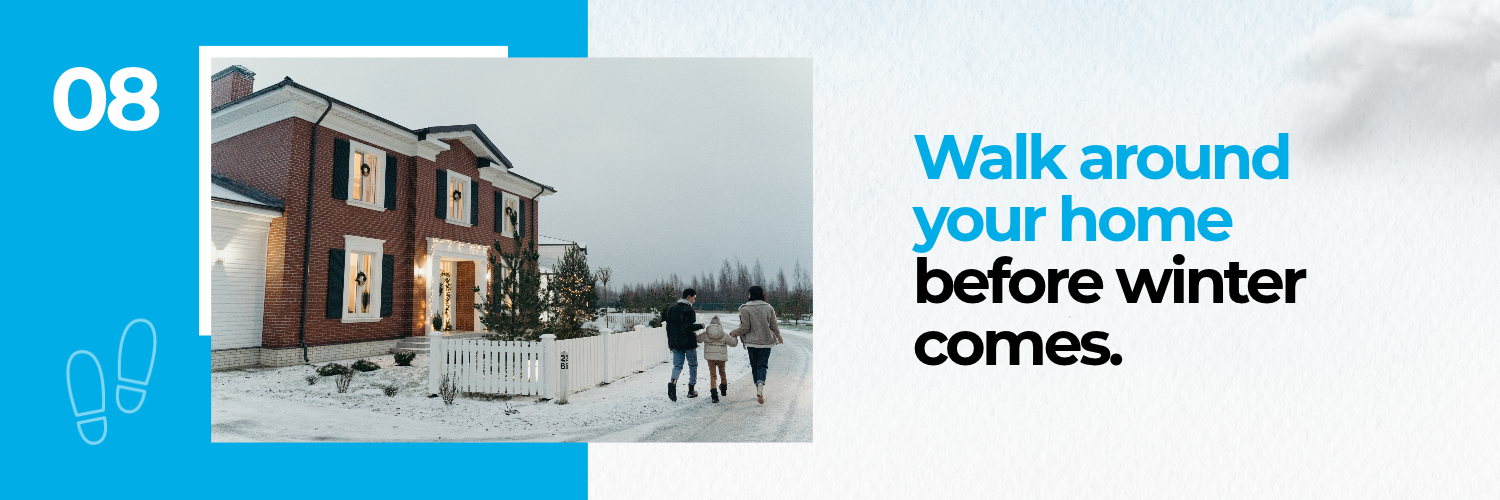
Inspect Your Home's Exterior for Damage
Before snow and ice make exterior repairs more difficult, walk around your property and inspect its condition.
Look for:
Loose or damaged siding.
Cracked exterior caulking.
Tree branches hanging near the house.
Damaged steps, railings or walkways.
Standing water near the foundation.
Drainage problems or visible structural deterioration.
For first-time homeowners, this is also an opportunity to review items identified during the original home inspection.
A small problem noticed in November may be easier to address before repeated freezing and thawing make conditions worse.
Winter tip: Take photos of areas that may need attention. These records can help you monitor changes and plan future maintenance.
Know Which Winter Projects to Address First
Your first winter home maintenance checklist can get long quickly, particularly if you've purchased an older property. But remember that you don't have to do everything at once. Start with issues that could affect safety or potentially cause significant property damage. Active roof leaks, unsafe heating equipment, vulnerable plumbing, serious electrical concerns, and major drainage problems should generally receive attention before cosmetic or convenience projects.
For example, replacing weatherstripping around a drafty door might make the house more comfortable. Or, addressing a pipe that's likely to freeze could prevent a much larger repair bill. At the end of the day, knowing which projects to prioritize is part of responsible homeownership.
Buying Your First Home in Chicago or the Suburbs?
Understanding home maintenance responsibilities is an important part of becoming a homeowner.
From modern Chicago condos to older single-family homes throughout the Western Suburbs, every property comes with different maintenance considerations and ownership costs.
The Cory Tanzer Group at Option Premier helps first-time buyers evaluate homes, understand local housing markets and make informed decisions throughout the buying process.
Planning to buy your first home or move from Chicago to the suburbs? Connect with our team for guidance on neighborhoods, available properties and what to consider before purchasing.
Stay Connected
Ranked among the top 1% of real estate teams in the Chicagoland market, The Cory Tanzer Group at Option Premier is recognized for proven sales performance, neighborhood expertise, and consistent results across Chicago and the surrounding suburbs.
In the 2026 RealTrends Verified rankings, based on 2025 sales data, the team completed 181 transaction sides representing $79.28 million in sales volume. The Cory Tanzer Group ranked No. 13 in Illinois by transaction sides, No. 20 in Illinois by sales volume, No. 270 nationally by transaction sides, and No. 439 nationally by sales volume.
The team also earned The CARLY, the highest honor for Platinum Sales Dollars and Platinum Units Sold, at the Chicago Association of REALTORS® Sales Awards.
Led by Cory Tanzer, the team helps buyers, sellers, investors, landlords, and renters navigate real estate across Downtown Chicago, the North Shore, and the Western Suburbs, with local expertise in University Village, University Commons, South Loop, West Loop, Little Italy, Pilsen, and surrounding Chicagoland communities.
Connect with The Cory Tanzer Group at Option Premier for trusted local market insight, personalized guidance, and a proven strategy for your next Chicago real estate move.