What Is It Really Like to Live in South Loop? 5 Things Residents Say They Love Most
Ask Chicagoans what they think about South Loop and you will hear very different answers. Some describe it as one of the most convenient places to live near Downtown. Others will immediately tell you it is quieter than neighborhoods known for nightlife.
So instead of relying on the standard neighborhood description, we looked at what people who actually live in South Loop, have recently moved there or are considering buying there keep talking about in resident reviews and recent online discussions.
Online comments are not a scientific survey, but the same themes show up again and again. And surprisingly, they are not mainly about tourist attractions.
They are about what everyday life feels like once you actually live here.
What Residents Keep Saying About Living in South Loop
1. You Can Live Downtown Without Feeling Like You Are in the Middle of Downtown Chaos
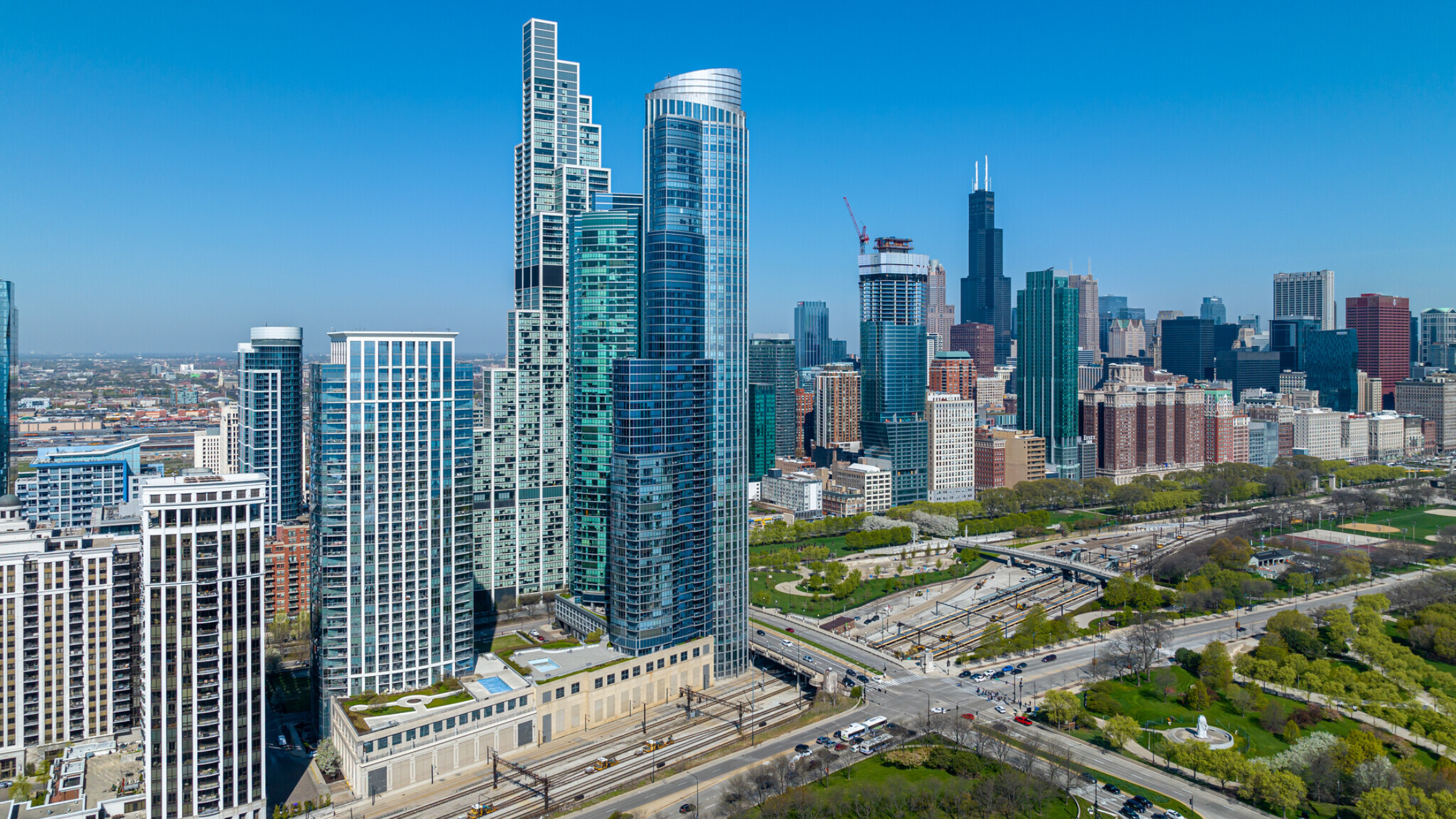
This might be South Loop's most underrated advantage.
You are immediately south of Chicago's central business district and close to the Loop, Grant Park and major downtown destinations, but many residential portions of the neighborhood feel noticeably calmer than parts of River North or West Loop.
That distinction appears repeatedly in recent South Loop discussions on Reddit. Residents describe liking the ability to get to nightlife and entertainment when they want it, then return to a neighborhood that can feel quieter at night. Another discussion described South Loop as a place where you can easily reach the lake, Loop, Chinatown and other neighborhoods without necessarily living directly in the middle of the activity.
Even Choose Chicago describes South Loop as a more residential part of Downtown that is somewhat quieter than the Loop and River North while still retaining an urban feel.
For someone who wants restaurants, events, transit and Downtown nearby but does not need bars outside the front door every night, that balance can be a major part of the appeal.
2. A Car-Free or Car-Light Lifestyle Is Actually Realistic

South Loop residents repeatedly mention transportation as one of the neighborhood's biggest strengths.
The Roosevelt CTA station provides access to the Red, Green and Orange lines, while buses, Metra access, bike infrastructure and the neighborhood's proximity to Downtown give residents several alternatives to driving. The CTA has also been improving access at Roosevelt, including a project designed to make transfers between buses and the Green and Orange lines more convenient.
Current Zillow neighborhood data gives South Loop a Walk Score of 93 and Transit Score of 84.
That matters beyond commuting.
A normal week could mean walking into the Loop for work, taking the Red Line to another neighborhood for dinner, biking along the lake on Saturday and using the Orange Line when heading toward Midway.
Residents do not simply describe South Loop as walkable within the neighborhood. They frequently value how easy it is to use South Loop as a starting point for the rest of Chicago. One 2026 discussion from buyers considering the neighborhood specifically focused on being car-free or very car-light while remaining close to Downtown, museums, trails and transit.
3. Grant Park and the Lakefront Can Feel Like Your Backyard
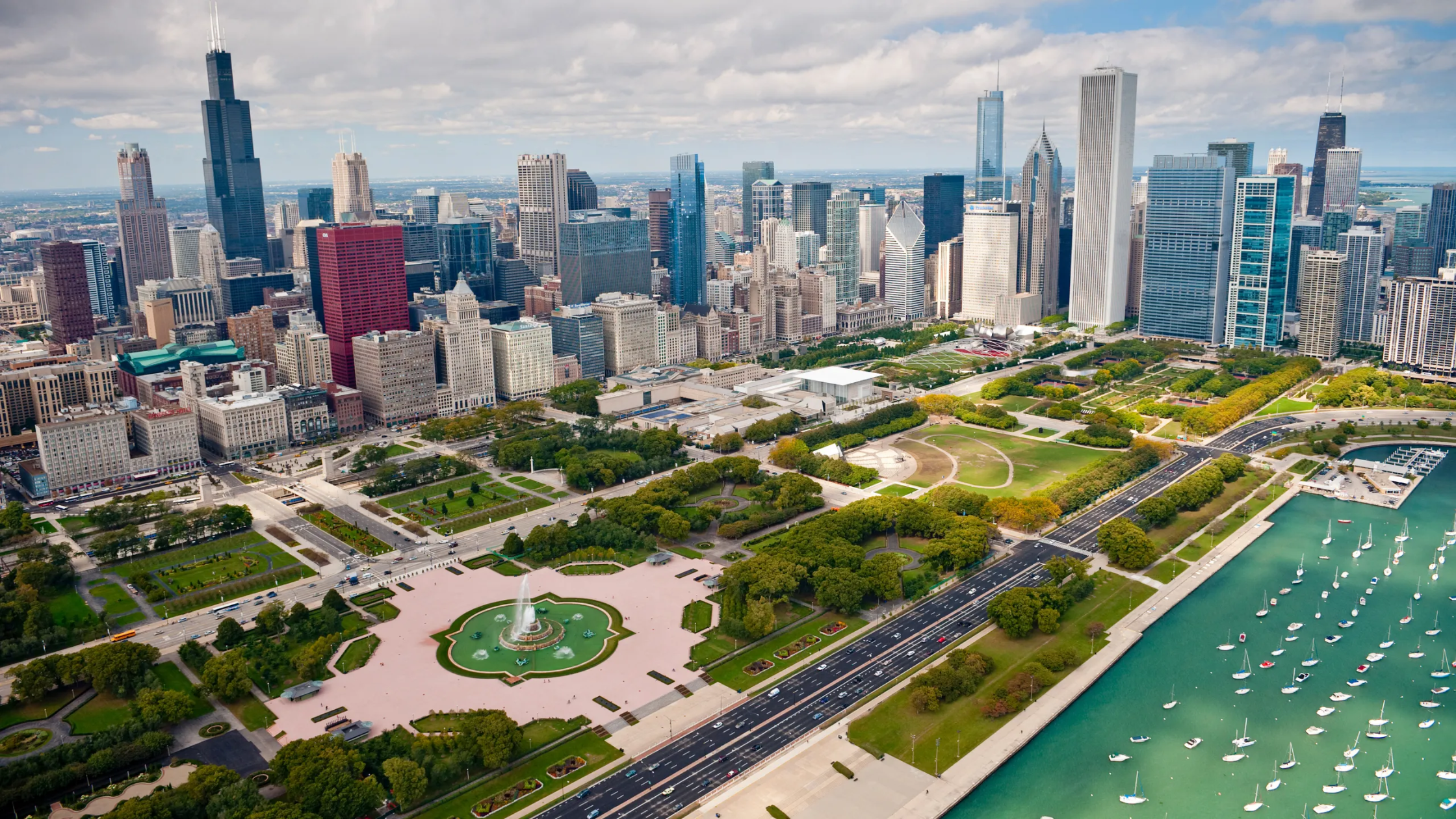
Living in a condo or apartment usually means giving up the traditional backyard.
South Loop offers a very Chicago alternative.
Residents repeatedly mention easy access to Grant Park, Museum Campus, Lake Michigan, Soldier Field, Northerly Island and the Lakefront Trail. One recent resident review specifically praised being close to the lake, bike trails, sports, music and museums.
Grant Park itself covers more than 300 acres, extending south to Roosevelt Road, while Chicago's lakefront trail system continues beyond the park along the shoreline. The Chicago Park District identifies the South Loop as part of the broader Grant Park and lakefront environment.
That creates a lifestyle that can be difficult to understand from a listing description alone.
A Saturday might mean coffee, walking the dog toward the lake, biking the trail, visiting Museum Campus and heading home without getting in a car.
For someone relocating from another dense city, that combination can be particularly appealing: high-rise and condo living without giving up quick access to major open spaces.
4. Residents Love How Easy the “Boring Stuff” Can Be

Museums and skyline views look good in neighborhood guides. Grocery shopping matters more once you actually move somewhere.
This is another area where resident feedback about South Loop is surprisingly consistent.
On Trulia's South Loop neighborhood page, 85% of participating users say restaurants are walkable and 80% say grocery stores are walkable. At least 492 users participated in each of the neighborhood feature ratings shown on the page. 93% also say the neighborhood has sidewalks and 92% describe it as dog-friendly.
South Loop's commercial corridors give residents access to grocery stores, coffee shops, restaurants, fitness options, pet services and other everyday necessities without every errand becoming a separate trip.
It sounds less exciting than saying you live next to a world-class museum.
But after six months in a neighborhood, being able to pick up groceries, grab coffee, walk the dog and get dinner without planning your entire evening can become one of the amenities you appreciate most.
5. Buyers Like the Combination of Location, Space and Housing Choice
This one requires some nuance.
It would be too broad to call South Loop simply “affordable.” Prices can vary substantially depending on the building, square footage, views, parking, condition and HOA assessments.
But recent buyer discussions do show people being drawn to the amount of space and housing choice available for such a central location.
A March 2026 buyer discussing a South Loop condo described finding a two-bedroom, two-bath home in Museum Park with generous space, a layout they loved and building amenities, while another 2026 discussion involved buyers looking in South Loop because they wanted to stay around the $375,000 to $425,000 range for a two-bedroom while remaining car-light and close to Downtown.
South Loop also is not one single housing product.
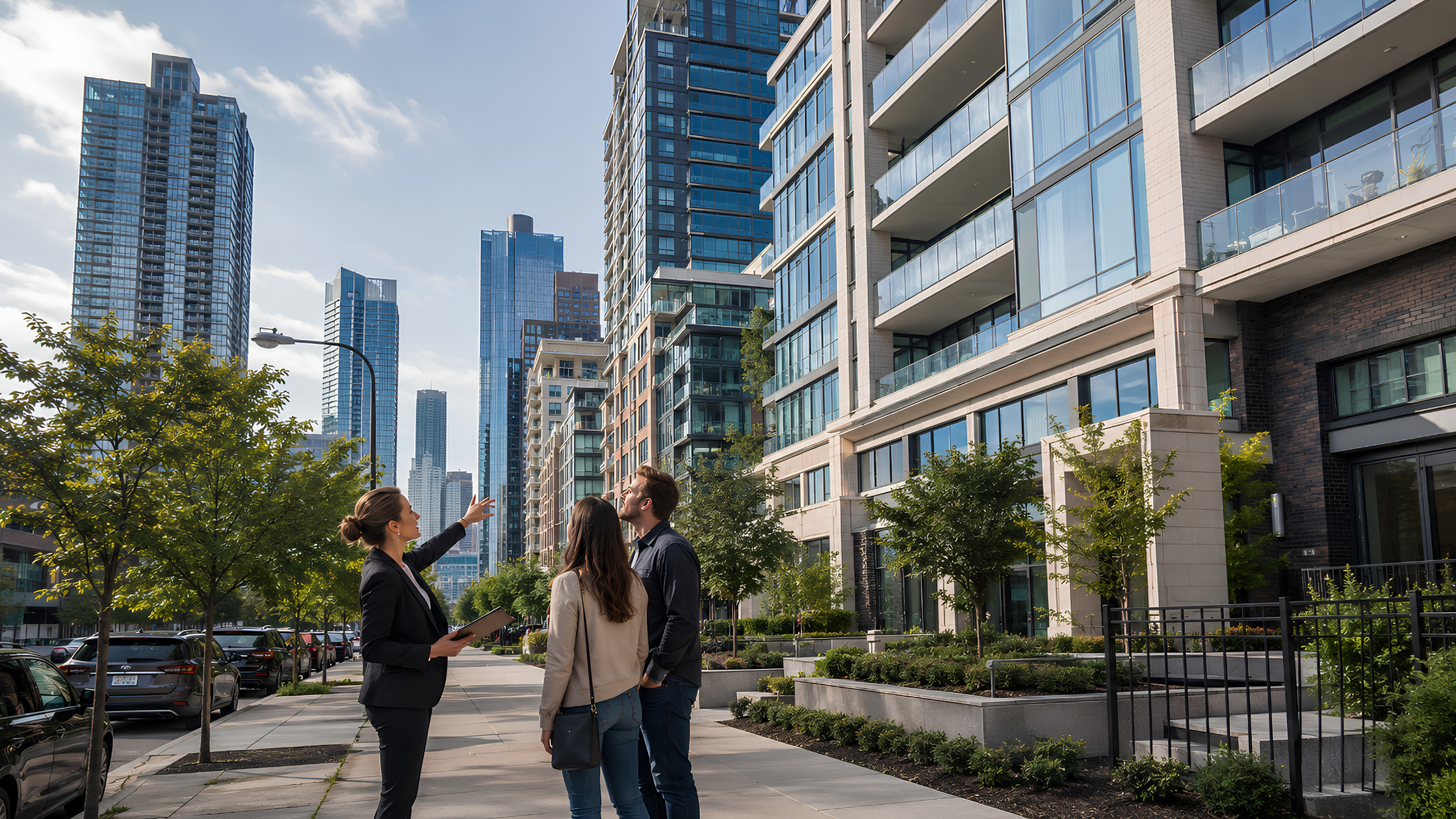
Depending on where you look, you can find historic Printers Row lofts, traditional condos, townhomes, high-rise residences, newer apartments and buildings overlooking the lake or Museum Campus.
As of September 2026, Zillow reports an average South Loop home value of about $340,000, although that neighborhood-wide figure combines many different property types and should not be treated as the expected price of a specific condo.
For condo buyers especially, the building can matter almost as much as the neighborhood. Two similarly priced South Loop homes may have very different HOA assessments, reserves, parking arrangements, amenities, insurance situations, rental restrictions and upcoming capital projects.
That is why comparing South Loop properties requires more than comparing the price per square foot.
What Do South Loop Residents Wish Were Different?
The most common criticism is almost the mirror image of the neighborhood's biggest strength: South Loop can feel quiet.
Some residents and former residents say there are fewer nightlife and restaurant options immediately outside their homes than they would find in West Loop, River North, Lakeview, Wicker Park or Logan Square. In one recent discussion, a former resident said they eventually wanted a neighborhood with more restaurant activity and character, only to later move back to South Loop because they missed the high-rise lifestyle and lake access.
That illustrates why asking whether South Loop is “good” or “bad” misses the point.
Someone who wants a different bar or restaurant outside their building every night may prefer another neighborhood. Someone who wants Downtown access without Downtown nightlife directly outside the window may consider the quieter environment a benefit.
Residents also mention differences from block to block, along with traffic and congestion associated with major events. That makes visiting the neighborhood at different times of day especially useful before signing a lease or buying.
So, What Is It Actually Like to Live in South Loop?
After reading through resident conversations and current neighborhood feedback, one pattern stands out.
People generally are not choosing South Loop because it is Chicago's loudest, trendiest or most nightlife-heavy neighborhood.
They choose it because of livability.
It offers a combination that is difficult to duplicate: Downtown proximity, lakefront access, strong transit, walkable everyday errands, major parks and a residential atmosphere that can feel calmer than other central neighborhoods.
For the right person, that is exactly the point.
Considering a Move to South Loop?
The best South Loop location can look very different depending on whether your priorities are lake access, CTA proximity, condo amenities, lower HOA costs, parking, more space, Printers Row character or proximity to Museum Campus.
The Cory Tanzer Group at Option Premier helps buyers, renters and relocating clients compare South Loop buildings and individual blocks based on how they actually plan to live, not simply what looks best in a listing.
Stay Connected
Ranked among the top 1% of real estate teams in the Chicagoland market, The Cory Tanzer Group at Option Premier is recognized for proven sales performance, neighborhood expertise, and consistent results across Chicago and the surrounding suburbs.
In the 2026 RealTrends Verified rankings, based on 2025 sales data, the team completed 181 transaction sides representing $79.28 million in sales volume. The Cory Tanzer Group ranked No. 13 in Illinois by transaction sides, No. 20 in Illinois by sales volume, No. 270 nationally by transaction sides, and No. 439 nationally by sales volume.
The team also earned The CARLY, the highest honor for Platinum Sales Dollars and Platinum Units Sold, at the Chicago Association of REALTORS® Sales Awards.
Led by Cory Tanzer, the team helps buyers, sellers, investors, landlords, and renters navigate real estate across Downtown Chicago, the North Shore, and the Western Suburbs, with local expertise in University Village, University Commons, South Loop, West Loop, Little Italy, Pilsen, and surrounding Chicagoland communities.
Connect with The Cory Tanzer Group at Option Premier for trusted local market insight, personalized guidance, and a proven strategy for your next Chicago real estate move.