Pending Home Sales Just Dropped 7.3%. Are Chicago Buyers Finally Gaining Leverage?
CHICAGO— Fewer homebuyers are signing contracts, and that could create opportunities for buyers who are still willing and able to move.
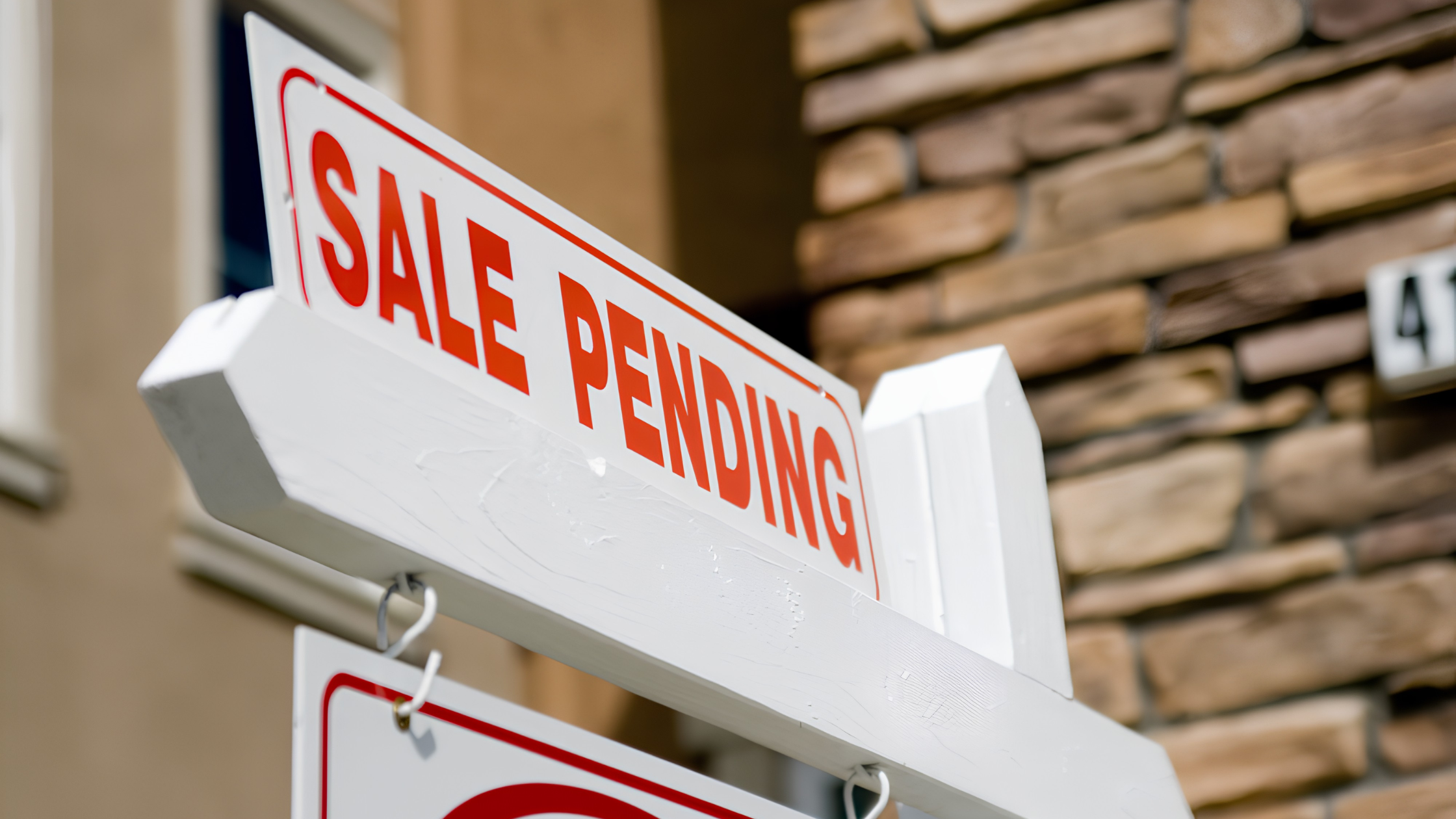
The National Association of REALTORS reported October 20 that U.S. pending home sales fell 7.3% from August and 11.3% from a year earlier in September. Contract activity declined across every major U.S. region, including a 6.5% monthly and 8.7% annual decline in the Midwest.
That is a meaningful slowdown, but Chicago buyers should be careful with the headline.
A national decline in contracts does not automatically mean Chicago has become a buyer’s market.
In fact, recent local data show why leverage needs to be evaluated property by property, building by building and suburb by suburb.
What the Pending-Sales Drop Actually Tells Us
Pending sales measure homes that have gone under contract but have not yet closed, making the index an early indicator of future existing-home sales.
September’s drop came as borrowing costs moved higher. NAR attributed much of the slowdown to rising mortgage rates, which averaged 6.86% during September before moving above 7% in October.
The important buyer takeaway is not simply that fewer people are purchasing homes.
It is that some buyers are stepping aside.
When fewer qualified buyers are competing, sellers whose homes are not attracting offers may become more willing to discuss price, closing credits, repairs or other contract terms.
But that opportunity will not appear equally across Chicago.
Chicago Is Slower in Some Places, but Strong Homes Are Still Selling
The latest local numbers do not show a citywide collapse in buyer demand.
Across Chicago, homes sold for a median of roughly $410,000 during the three months ending September, up 7.8% year over year. Properties averaged about 52 days on market, and the average sale came in approximately 0.8% above list price.
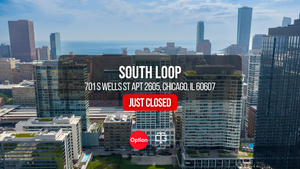
South Loop tells a similar story. Homes there averaged about 62 days on market, but the average sale still reached approximately 101.5% of list price, and just over half of recent sales closed above asking.
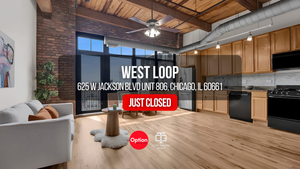
In West Loop, homes averaged approximately 55.5 days on market and about 0.6% above list price. Recent transactions show the variation buyers actually face: some condos sold above asking while others closed several percentage points below their original list prices.
That is why a buyer should not walk into every showing expecting a discount simply because national contracts fell.
The leverage is more likely to appear on the listings that have been sitting, reduced, relisted or priced too aggressively from the beginning.
Where Buyers Should Look for Negotiating Room
The first place to look is the listing history.
A condo that went live three days ago at an attractive price is a very different negotiation from one that has been sitting for 45 or 60 days after a price reduction.
Watch for these signals:
Price reductions: A seller who has already adjusted the asking price may be responding to weaker-than-expected demand.
Longer market time: The urgency often shifts as a listing moves beyond its initial launch period.
Vacant properties: A seller carrying taxes, HOA assessments, insurance and utilities may place greater value on a reliable closing.
Homes returning to market: A previous contract that fell apart may create an opening, although buyers should find out why it returned.
Heavy nearby competition: Several similar condos for sale in the same building or neighborhood can give buyers more alternatives.
None guarantees a seller will negotiate.
But they can tell you where a conversation is more likely to be productive.
Price Is Only One Thing Chicago Buyers Can Negotiate
Buyer leverage does not always need to show up as a lower purchase price.
In some situations, a seller may prefer to accept the asking price while providing a closing-cost credit. Depending on the buyer’s loan program and lender limits, that money could help reduce the amount of cash needed at closing or potentially be applied toward mortgage costs.
Inspections are another area where the negotiating environment matters.
A buyer should not automatically assume they need to waive an inspection because a neighborhood is competitive. If a home has been sitting longer, there may be more room to retain normal protections and negotiate meaningful issues discovered during the inspection.
For condo buyers, the due diligence goes beyond the unit.
Review the HOA budget, reserves, insurance, meeting minutes, special assessments and planned building projects, particularly with Fannie Mae’s condo project-review requirements becoming stricter heading into 2027.
That can matter more financially than winning another $5,000 off the purchase price.
Your Strategy Should Change by Neighborhood
In South Loop, buyers often have multiple condo buildings and property types to compare. Instead of focusing only on asking price, compare HOA assessments, taxes, parking, recent building sales and whether similar units are still available.
A unit sitting for 60 days may provide leverage. A renovated condo priced correctly in a desirable building may still attract multiple buyers.
In West Loop, current averages continue to show a competitive market overall, but recent individual sales have ranged from above asking to several percentage points below list price. That is exactly why broad neighborhood averages should be the starting point rather than the offer strategy.
In University Village and University Commons, building-level research becomes especially important. Two condos with similar bedrooms and square footage can carry very different HOA costs, parking arrangements, views, reserves and recent comparable sales.
And buyers heading into the Western Suburbs should not assume the national slowdown has removed competition there either.
In Naperville, for example, the median sale price over the three months ending September was approximately $660,000, up 13.7% year over year, while homes averaged about 50 days on market and sold around asking price overall.
The market may be slower nationally, but desirable suburban homes can still attract competition.
So, Are Chicago Buyers Finally Gaining Leverage?
Some are. But this is not a blanket buyer’s market.
The 7.3% national decline in pending sales tells us that higher borrowing costs are causing more buyers to hesitate. That can reduce competition and create negotiating opportunities.
At the same time, Chicago prices remain higher than a year ago, many properties continue selling around or above list price, and well-priced homes can still move quickly.
The better question is not:
“Is it a buyer’s market yet?”
It is:
“Does this specific seller have a reason to negotiate?”
That means studying recent comparable sales, days on market, listing changes and competition before deciding how aggressively to structure an offer.
For buyers who can comfortably handle today's payment, a slower fall market may provide something that was harder to find during more frantic periods: time to evaluate the property and negotiate the terms that actually matter.
Buying in Chicago This Fall? Look for Leverage Listing by Listing
The Cory Tanzer Group at Option Premier helps buyers evaluate recent comparable sales, price reductions, building history, HOA costs, seller competition and negotiating opportunities across South Loop, West Loop, University Village, University Commons and the Western Suburbs.
A slowing national market can create opportunities.
Knowing exactly where those opportunities exist locally is what turns the headline into a useful buying strategy.
Stay Connected
Ranked among the top 1% of real estate teams in the Chicagoland market, The Cory Tanzer Group at Option Premier is recognized for proven sales performance, neighborhood expertise, and consistent results across Chicago and the surrounding suburbs.
In the 2026 RealTrends Verified rankings, based on 2025 sales data, the team completed 181 transaction sides representing $79.28 million in sales volume. The Cory Tanzer Group ranked No. 13 in Illinois by transaction sides, No. 20 in Illinois by sales volume, No. 270 nationally by transaction sides, and No. 439 nationally by sales volume.
The team also earned The CARLY, the highest honor for Platinum Sales Dollars and Platinum Units Sold, at the Chicago Association of REALTORS® Sales Awards.
Led by Cory Tanzer, the team helps buyers, sellers, investors, landlords, and renters navigate real estate across Downtown Chicago, the North Shore, and the Western Suburbs, with local expertise in University Village, University Commons, South Loop, West Loop, Little Italy, Pilsen, and surrounding Chicagoland communities.
Connect with The Cory Tanzer Group at Option Premier for trusted local market insight, personalized guidance, and a proven strategy for your next Chicago real estate move.