What Types of Homes Can You Buy in Chicago? A Relocating Buyer's Real Look at the Market
Chicago's housing market offers one of the widest ranges of residential property styles in the United States, from classic greystone two-flats on tree-lined Northwest Side blocks to glass-and-steel loft conversions in the West Loop. Understanding the types of homes in Chicago before you start your search will save you weeks of confusion and help you zero in on neighborhoods and property formats that actually fit your life.
Key Takeaways
Chicago's housing stock is unusually diverse, mixing historic architecture like greystones and bungalows with modern condos and penthouses.
Two-flats and three-flats are Chicago-specific property types that blur the line between owning a home and owning an investment property.
Condo ownership in Chicago means understanding HOA fees, special assessments, and shared amenity costs before you make an offer.
Townhomes offer a middle ground: multi-floor living, often with a garage, and typically lower maintenance than a fully detached single-family home.
Lofts and converted industrial spaces are concentrated in specific neighborhoods and suit certain lifestyles far better than others.
Working with a locally rooted team matters here because Chicago's property types interact closely with zoning, neighborhood character, and resale patterns that outsiders often miss.
Chicago's Housing Stock Is Unlike Any Other American City
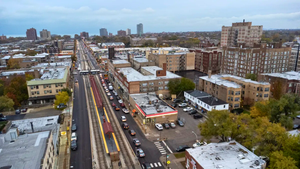
Most American cities sort fairly neatly into single-family homes in the suburbs and apartments downtown. Chicago does not work that way. Its neighbourhoods are dense even well outside the Loop, and the city's building traditions produced housing forms that are genuinely specific to this market. The Wikipedia article on Chicago architecture gives useful context, but the practical reality for buyers is that you need to understand both the physical form of a property and its legal ownership structure before making any assumptions about costs, maintenance, or resale value.
Here is a quick breakdown of the major property types you will encounter:
| Property Type | Ownership Structure | Typical HOA? | Common Neighborhoods |
|---|---|---|---|
| Condo | Individual unit deed | Yes | River North, Lincoln Park, South Loop |
| Townhome | Individual deed, shared walls | Sometimes | Wicker Park, Bucktown, Near North |
| Single-family home | Full lot and structure | Rarely | Beverly, Edison Park, Lincoln Square |
| Two-flat / Three-flat | Full building deed | No | Logan Square, Pilsen, Avondale |
| Greystone | Style, not ownership type | Varies | Lakeview, Humboldt Park, Rogers Park |
| Bungalow | Single-family or multi | Rarely | Bridgeport, Jefferson Park, Clearing |
| Loft / Converted unit | Condo or co-op deed | Yes | West Loop, Wicker Park, River North |
| Penthouse | Condo deed | Yes | Gold Coast, Streeterville, Fulton Market |

Condos: The Default for Downtown and Dense Neighborhoods
Condominiums are the most common entry point for buyers relocating to Chicago from out of state. They offer walkable access to transit, restaurants, and employment centers, and they typically come with building amenities like rooftop decks, fitness centers, and doormen.
What many first-time buyers underestimate is the real cost of condo ownership, which can be estimated using a home valuation tool that takes into account HOA fees and other costs. Monthly HOA fees in Chicago can range from under $200 to well over $1,000 depending on the building's age, amenities, and reserve fund health. Special assessments, which are one-time charges levied when a building needs major repairs and lacks adequate reserves, can add thousands of dollars in unexpected costs. The Consumer Financial Protection Bureau's homebuying resources are a solid starting point for understanding what to review in a condo's financial documents before you close.
For a real-world example of what a well-priced condo looks like in a walkable Chicago neighbourhood, take a look at this private entrance condo in Lincoln Park . Lincoln Park is one of the city's most consistently desirable condo markets, and this listing illustrates how unit layout and building access can significantly affect value.
Two-Flats and Three-Flats: Chicago's Built-In Investment Strategy
If you want to understand Chicago's residential neighborhoods, you need to understand the two-flat. A two-flat is a building with two stacked units, typically owner-occupied on one floor with the second unit rented out. A three-flat adds a third unit. These buildings are so common on Chicago's North and Northwest Sides that entire blocks consist of nothing but two-flats.
From a buyer's perspective, a two-flat or three-flat is purchased as a whole building, meaning you get a single deed and full ownership of the structure and lot. There is no HOA. The rental income from the additional unit or units can offset your mortgage significantly, sometimes covering a third or more of your monthly payment depending on the rent market in that neighborhood.
The National Association of Realtors has published research on owner-occupied multi-family properties as a wealth-building strategy, and Chicago's two-flats fit squarely into that category. The trade-off is that you are also a landlord, which means handling tenant relationships, maintenance responsibilities, and local Chicago landlord-tenant ordinances all at once.
Greystones and Bungalows: Chicago's Architectural Identity
Greystone is an architectural term, not a legal property type. It refers to buildings clad in the grey Joliet limestone that was quarried heavily in Illinois in the late 1800s and early 1900s. Greystones are typically rowhouses or two-flats and are concentrated in neighborhoods like Lakeview, Humboldt Park, Logan Square, and Rogers Park. They are known for their ornate facades, deep front stoops, and solid construction.
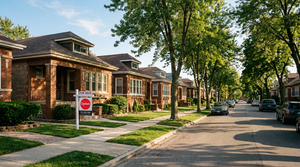
Chicago bungalows are a category unto themselves, as explored in various blogs covering architectural styles throughout the city. The Chicago Architecture Center estimates that more than 80,000 bungalows were built in Chicago between 1910 and 1940, forming what is sometimes called the "bungalow belt" across the city's Northwest, Southwest, and South Sides. These one-and-a-half-story brick homes were built for working families and remain structurally sound and energy-efficient by older standards. Neighborhoods like Beverly, Bridgeport, and Jefferson Park still have dense concentrations of well-maintained bungalows priced attractively compared to the city's trendier areas.

Townhomes: The Middle Ground Most Buyers Overlook
Townhomes occupy an important middle ground in the Chicago market. They typically offer two or three floors of living space, a private entrance, and often an attached or deeded garage, all without the full maintenance burden of a detached single-family home. They may or may not come with an HOA depending on whether they are part of a planned development.
In neighborhoods like Wicker Park, Bucktown, and the Near North Side, newer townhome developments have filled in vacant lots and former light-industrial parcels with row-style buildings that appeal strongly to buyers who want urban living but need more space than a standard condo unit provides. Families with young children, buyers with dogs, and anyone who works from home and needs a dedicated office floor tend to find townhomes a better fit than a single-floor condo.
For buyers looking outside the city, the Georgetown home shows how suburban single-family options in the Chicago metro area compare to what the same budget gets you inside city limits.
Lofts, Penthouses, and Converted Spaces
Chicago's industrial history produced a substantial inventory of warehouses, factories, and printing facilities that have been converted into residential loft buildings. The West Loop, Wicker Park, River North, and Pilsen all have notable concentrations of true loft conversions, meaning units with exposed brick, heavy timber beams, concrete ceilings, and open floor plans that reflect the building's original use.
A distinction worth knowing: "soft lofts" are newly constructed buildings designed to look like lofts but without any actual industrial history. They can be attractive, but they command loft pricing without the authenticity that drives long-term demand among design-conscious buyers.
Penthouses in Chicago typically refer to upper-floor condo units in high-rise buildings, often with private rooftop terraces, upgraded finishes, and panoramic views of Lake Michigan or the downtown skyline. They represent the high end of the condo market and carry premium pricing in neighborhoods like Gold Coast, Streeterville, and Fulton Market.
Single-Family Homes: More Available Than You Might Expect
Many buyers relocating from other cities assume Chicago is all high-rises and apartment buildings. That is far from accurate. Chicago has extensive single-family home inventory, particularly on the North Shore, the Beverly neighborhood, Edison Park, Forest Glen, and Morgan Park. These are fully detached homes on individual lots with yards, driveways, and no shared walls.
Single-family homes in Chicago typically carry no HOA and give owners the most control over their property. The trade-off is full responsibility for exterior maintenance, landscaping, and capital repairs like roofing and HVAC replacement. For buyers coming from suburban markets in other states, single-family homes in Chicago's outer neighborhoods often feel familiar in format but dramatically more urban in character given the city's transit access and walkability even in quieter residential areas.
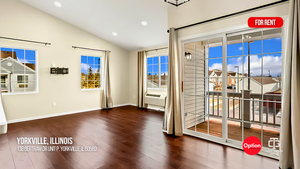
If you are weighing your options for a move-in-ready purchase, this move in ready 2 -bedroom den in University Commons shows how a well-configured condo can compete with single-family homes for buyers who prioritize condition and convenience over square footage.

Things to Know
Greystone refers to a building material and exterior style, not a legal property type. A greystone could be a condo, a two-flat, or a single-family home depending on how it is structured.
Chicago's two-flat and three-flat buildings do not have HOAs, but they do come with full landlord responsibilities if you rent out the additional unit.
Condo reserve fund health is one of the most overlooked risk factors in Chicago condo purchases. Always request the reserve fund study before making an offer.
Many Chicago loft buildings are former factory or warehouse conversions in neighborhoods that were industrial 30 years ago and are now some of the city's most desirable areas.
The Chicago Bungalow Association offers resources and programs for bungalow owners and buyers, including energy efficiency incentives that can significantly reduce operating costs.
Townhomes vary widely on HOA structure. Some are fee-simple with no association at all, while others include associations covering exterior maintenance, snow removal, and landscaping.

Work With a Team That Actually Knows These Property Types
If you are relocating to Chicago or buying for the first time, you can check out the blogs at Option Premier for neighborhood-level detail on specific listings and market conditions. When you are ready to get a sense of what your current property might be worth, the home valuation tool is a practical starting point before a full consultation.
The team at Option Premier, led by Cory Tanzer and anchored at 1021 W Adams St, Suite 200 in Chicago, works with buyers across all of these property categories, from first-time condo purchases to multi-unit investment buildings. As a lifelong Chicagoan with deep roots in neighborhoods like University Village, Cory brings on-the-ground knowledge that is genuinely difficult to replicate. The Illinois Department of Financial and Professional Regulation licenses all agents in the state, and Option Premier's brokers carry current credentials across the team.
Talk to the Cory Tanzer Group Before You Start Your Search
The types of homes in Chicago span a wider range than most buyers expect, and the differences between them carry real financial and lifestyle consequences. Choosing the wrong property type for your situation is one of the most common and avoidable mistakes relocating buyers make.
Call the Cory Tanzer Group at Option Premier at (312) 218-4483 or email cory@optionpremier.com to talk through which property type fits your budget, timeline, and neighborhood priorities before you start scheduling showings.
Frequently Asked Questions
-
Chicago's main residential property types include condos, townhomes, single-family homes, two-flats, three-flats, bungalows, greystones, lofts, and penthouses.
Each of these has a different ownership structure, maintenance profile, and cost pattern. Some, like greystones, describe architectural style, while others, like two-flats, describe building configuration and how units are legally owned and used.
-
The Chicago bungalow is historically the most common single-family housing form in the city, with more than 80,000 built between 1910 and 1940.
In terms of all residential units, condos represent the dominant ownership type in denser neighborhoods closer to downtown. Two-flats and three-flats are extremely common on the city's North and Northwest Sides.
-
According to U.S. Census Bureau data, Chicago has approximately 1.1 million housing units across all property types.
This includes owner-occupied and renter-occupied units, single-family homes, multi-unit buildings, and high-rise condominiums. The city's density means that a large share of these units are in multi-family structures rather than detached single-family homes.
-
The seven broad architectural categories typically referenced are classical, Gothic, Baroque, Neoclassical, Modernist, Postmodern, and Contemporary.
In Chicago specifically, you will encounter strong examples of Chicago School commercial architecture, Prairie Style design associated with Frank Lloyd Wright, and the Richardsonian Romanesque influence visible in many of the city's historic greystones and public buildings.
-
Among buyers in the Chicago market, condos are currently the most transacted property type by volume, particularly in neighborhoods within a few miles of the Loop.
For buyers with families or those seeking more space, single-family homes and townhomes rank highest in preference surveys. The National Association of Realtors annual profile of home buyers and sellers tracks these preferences nationally with state-level breakdowns available.
The Bottom Line on Types of Homes in Chicago
Chicago's residential market rewards buyers who do their homework on property types before they fall in love with a specific address. A greystone two-flat in Logan Square and a new-construction condo in the South Loop might be priced similarly, but they represent entirely different ownership experiences, cost structures, and long-term financial outcomes.
Taking the time to understand which category of home fits your situation is the most useful thing you can do before stepping into a single showing. Start by browsing current listings and neighborhood content at optionpremier.com, then reach out to the Cory Tanzer Group at (312) 218-4483 to put that knowledge into action.