How to Get Around Chicago — Bus vs. Train
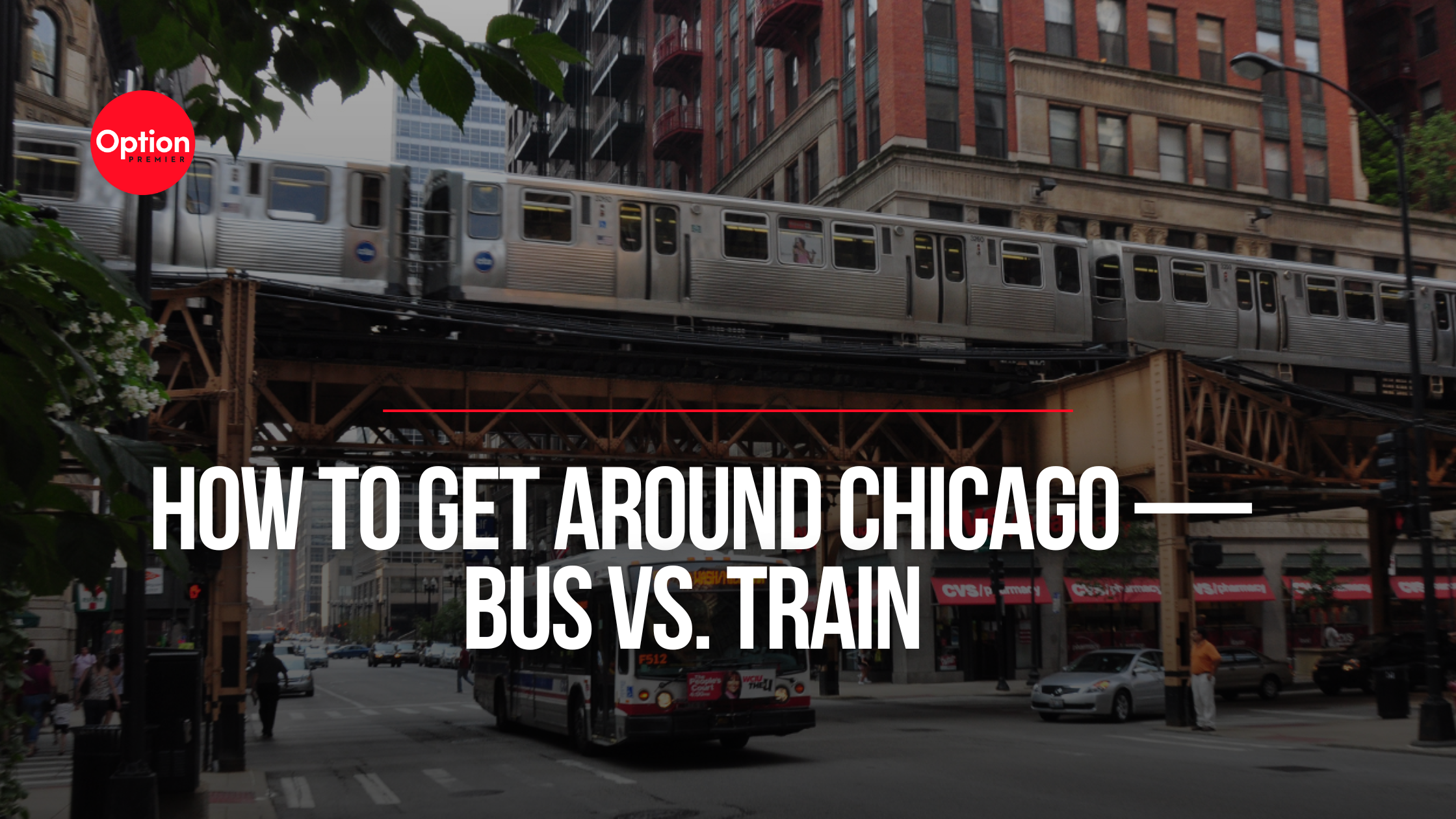
Whether you’re a visitor exploring “The Windy City” for the first time or a commuter navigating the daily hustle, understanding Chicago’s public transit system is essential. The Chicago Transit Authority (CTA) operates an extensive network of buses and trains—locally known as the “L”—that can get you just about anywhere worth seeing. This blog breaks down everything you need to know to choose between buses and trains in Chicago, with practical tips, cost comparisons, and real‑world insights.
CTA Trains: Fast, Frequent & Downtown‑Friendly
The CTA train system, locally called the “L,” is Chicago’s rapid transit backbone—especially efficient for traversing downtown, the lakeshore, and connecting to major attractions and airports.
Why Choose the Train?
Speed & Frequency: Trains generally run more frequently and faster than buses, especially during peak hours.
24/7 Service on Major Lines: The Red Line and Blue Line operate 24 hours a day, every day—a huge advantage if you’re arriving/departing late or early.
Direct Connections: Easy access to iconic neighborhoods like Wicker Park, Loop, Lincoln Park, and O’Hare Airport.
Quick Tips
Each train line is color‑coded—just follow the signs at stations.
Use the Ventra app or official online trackers to check arrival times.
Note: State and Lake Station is closed for renovations through 2029, so check real‑time updates before heading downtown.
Train Costs (2026 Update)
Base fare: $2.75 per ride (increased from $2.50 starting Feb 1).
Unlimited day passes and longer options available in the Ventra system.
Reduced and student fares also offered.
Best for: Longer distances, fast travel to downtown, and airport access.
CTA Buses: Extensive Coverage Across the City
With over 120 routes and thousands of stops, CTA buses fill in where trains don’t reach. They’ll take you through neighborhoods, business districts, and areas not served by rail.
Why You Might Prefer the Bus
Broader Coverage: Buses go where trains don’t. If you live or work far from an “L” station, buses are often your best option.
Affordable & Accessible: Buses allow cash payment on board and operate frequent service on major routes.
Many routes are now part of a Frequent Network with buses arriving every 10 minutes or less during peak times.
Bus Costs (2026 Update)
Base fare: $2.50 per ride (up from $2.25).
As with trains, unlimited passes are available.
What to Know
Service reliability can vary—traffic, weather, and demand impact bus arrival times more than trains.
Use real‑time trackers for best results.
Best for: Neighborhood travel, short hops, and areas without rail access.
Tips to Navigate Like a Local
Use Smart Transit Tools
Apps like Ventra, Chicago Transit Tracker, and real‑time planner tools help you know when your bus or train is arriving before you stand outside.
Transfers Save Money
CTA allows two free transfers within two hours of boarding—mix and match bus and train rides without paying twice!
Plan Ahead
Check schedules and service alerts before you leave—especially if you’re traveling early morning or late night.
Final Thoughts: Maximize Your Chicago Transit Experience
Whether you choose bus, train, or both, Chicago’s CTA system is one of the most expansive ways to explore the city affordably. Use trains for speed and efficiency, buses for wide coverage, and transit apps to keep your journey on time. With a bit of planning, you’ll navigate Chicago like a local — fast, smart, and stress‑free.
Stay Connected
Ranked as a top 1% team in the Chicagoland market, Cory Tanzer and the Cory Tanzer Group specialize in the Chicago, North Shore, and Western Suburbs real estate market. With deep local market expertise and a proven track record, Cory and his team help clients buy and sell with clarity, confidence, and results.