Vertical Farm and Residential Conversion Proposed for State Street Building in Downtown Chicago

Innovative Proposal Aims to Transform Vacant Property Along State Street
A new and unusual development proposal could reshape a long vacant property on State Street by combining residential units with a vertical farm component. Designed to bring new life to a site that has stood empty for years, the mixed-use concept blends urban living with sustainable food production, reflecting growing interest in innovative and environmentally focused development in Chicago’s urban core.
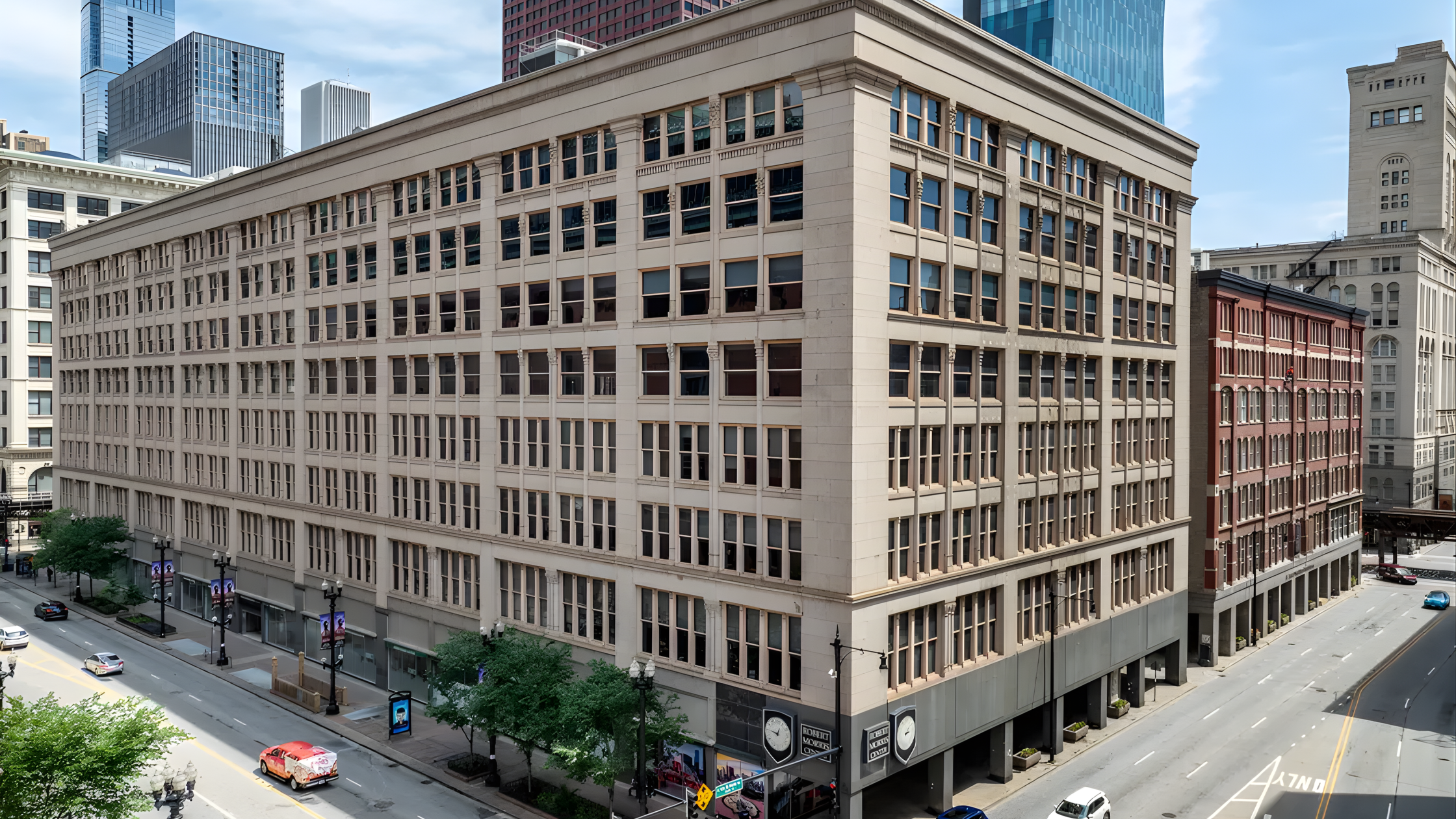
The proposal emerged from discussions between developers and city planners who see adaptive reuse as a way to address multiple community needs at once — creating housing, supporting local food systems, and activating underused space in the heart of downtown.
From Vacant Site to Mixed-Use Opportunity
The site in question is a multi-story office building along State Street that has been largely unoccupied for years amid broader shifts in downtown office demand. With office occupancies below historic levels in many parts of the Loop, developers have increasingly looked to reimagine old commercial properties for new uses.

Site context map of 401 S State St via Google Maps
Under the current proposal, the existing structure would be repurposed to include residential units alongside a large vertical farm housed within the building’s atrium or designated floors. Vertical farms use controlled indoor environments to grow produce using stacked layers, LED lighting, and hydroponic or aeroponic systems. This approach allows for year-round food production within the city, reducing transportation costs and minimizing land use. The integration of a vertical agricultural component within a residential building is considered forward-thinking and aligns with growing interest in urban sustainability.
What a Vertical Farm Feature Could Look Like
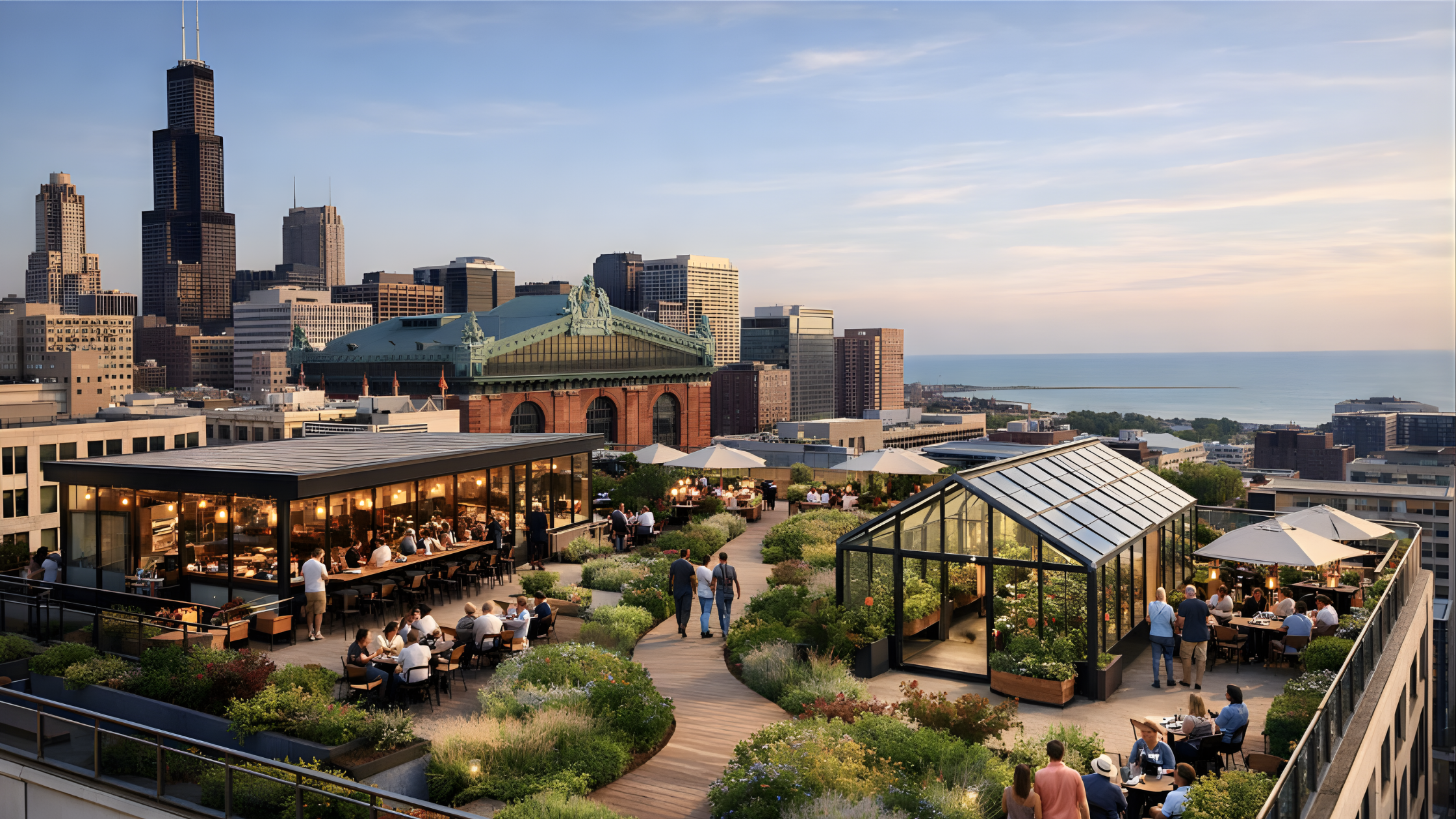
AI-GENERATED rendering of 401 S State Street by Farm Zero
While the proposal is still in its early stages, the vertical farm is envisioned as a space that could serve both building residents and the broader community. Possible elements include:
Indoor farming tiers capable of growing leafy greens, herbs, and other produce
Common areas for workshops or community education on sustainability and urban agriculture
Retail space featuring produce grown on site
Outdoor terraces or shared areas that tie farm production to resident amenity spaces
Advocates for vertical farming highlight its potential to introduce fresh, locally grown food in areas that lack easy access to healthy produce, particularly in dense urban neighborhoods. The addition of residential units above or adjacent to the farm makes use of existing infrastructure while creating an integrated live-work-sustainability environment.
Why This Matters for Chicago’s Urban Fabric
Chicago’s downtown real estate landscape has faced ongoing pressure as hybrid and remote work patterns have reduced demand for traditional office space. Adaptive reuse — the practice of converting underused commercial buildings to residential or mixed uses — has gained traction as a way to reinvigorate vacant properties and maintain downtown vitality.
Mixed-use proposals like the State Street concept underscore a broader shift toward thinking of urban centers as 24/7 neighborhoods rather than strictly business districts. By combining housing, sustainable food production, and community space, the project aligns with evolving preferences for walkable, amenity-rich urban living.
Additionally, the proposal reflects Chicago’s interest in sustainable design and climate-forward development. Incorporating vertical farming elements responds to global trends in food sustainability while offering unique lifestyle benefits for residents and neighbors alike.
How This Reflects Broader Development Trends
Cities worldwide are experimenting with ways to merge living spaces with agricultural production, particularly as concerns about climate change, supply chain resilience, and food access continue to grow. While most vertical farm projects remain small or standalone, integrating one into a residential conversion in a major downtown environment is still relatively rare in the United States.
Chicago, with its history of architectural innovation and dense urban core, presents a testing ground for hybrid models that tackle housing shortages and sustainability simultaneously. If realized, this project could inspire similar ideas for other vacant buildings throughout the city, especially in areas where traditional office use has softened.
What Happens Next
At this stage, the proposal remains conceptual and will require further design refinement, community input, and regulatory review before moving toward permits or construction. Stakeholders, including developers, city agencies, and neighborhood groups, are expected to continue discussions about feasibility, funding, and potential partners for both the residential and farming components.
As adaptive reuse becomes an increasing focus in Chicago’s development conversation, projects like this illustrate how creative thinking can revitalize underused real estate and contribute to a more resilient and vibrant downtown.
Stay Connected
Ranked among the top 1 percent of real estate teams in the Chicagoland market, Cory Tanzer and the Cory Tanzer Group are experts in helping buyers and sellers navigate today’s market across Downtown Chicago, the North Shore, and the Western Suburbs. Recognized for their neighborhood expertise in areas like University Village, University Commons, South Loop, and Pilsen, the team helps clients stay one step ahead by understanding where the Chicago market is moving next.