Best Time to Sell a Home in Chicago: A Month-by-Month Breakdown
Spring is consistently the best time to sell a home in Chicago, with May and June producing the highest buyer activity, fastest days on market, and strongest sale prices across most neighborhoods. That said, timing alone does not guarantee results — preparation, pricing strategy, and local market knowledge shape the final outcome just as much as the calendar.
Key Takeaways
May and June are historically the peak months for Chicago home sales, driven by buyer urgency tied to school schedules and warmer weather.
Listing in late March or early April gives sellers a head start before competition intensifies in late spring.
Winter listings (December through February) tend to attract serious buyers with less competition from other sellers.
Neighborhood-level data can shift the optimal timing — South Loop condos, for example, behave differently from Lincoln Park single-family homes.
Overpricing at any time of year is the single fastest way to extend days on market in Chicago.
A professional home valuation and a seasoned local broker can help you identify the precise window that fits your property type and neighborhood.
Why Seasonality Drives Chicago's Real Estate Market
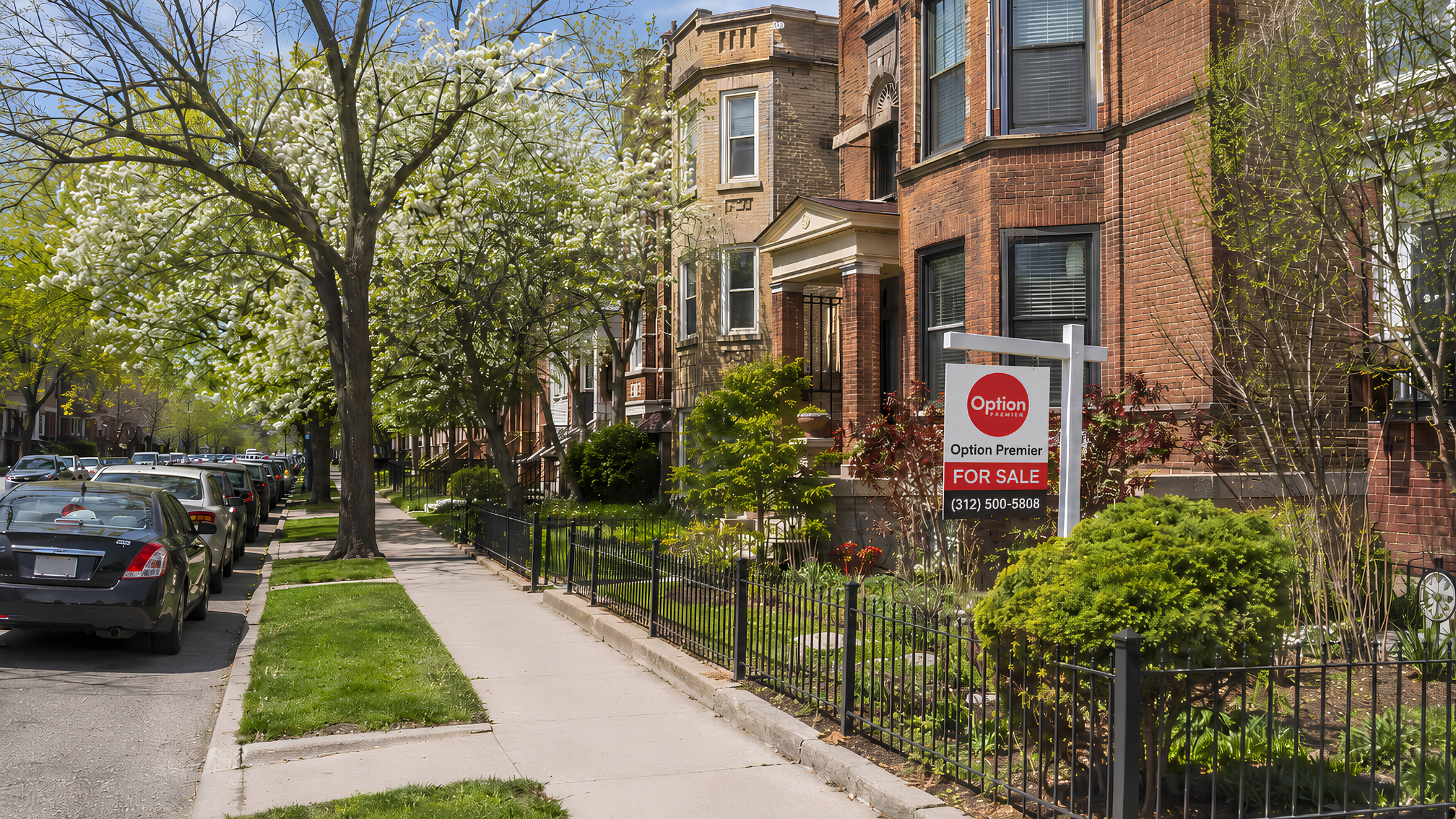
Chicago's climate is one of the most significant factors shaping its real estate calendar. When temperatures drop below freezing from December through February, foot traffic at open houses drops with it. Buyers who do tour homes in winter are typically serious and motivated, but the pool is smaller. Conversely, when spring arrives and temperatures climb back into the 50s and 60s, buyer activity surges rapidly.
This seasonal pattern is well-documented at the national level. According to data from the National Association of Realtors, existing home sales in the United States peak in late spring and early summer, with Chicago closely mirroring this trend. But Chicago's market has its own regional wrinkles worth understanding before you list.
The city's diverse neighborhood mix means timing can vary by property type and location. A downtown condo in the West Loop responds to different demand cycles than a three-bedroom bungalow in Beverly. School calendars, corporate relocation cycles, and even Chicago's convention calendar all create micro-surges of buyer demand at specific times of year.
Month-by-Month Chicago Listing Performance
Understanding how each month performs gives sellers a real advantage. Here is a breakdown based on Chicago listing performance patterns.
| Month | Buyer Activity | Avg. Days on Market | Typical Price Outcome |
|---|---|---|---|
| January | Low | Longer | Below peak |
| February | Low-Moderate | Moderate | Below peak |
| March | Moderate-High | Shortening | Near peak |
| April | High | Short | At or near peak |
| May | Very High | Shortest | Peak |
| June | Very High | Short | Peak |
| July | High | Moderate | Strong |
| August | Moderate-High | Moderate | Slightly below peak |
| September | Moderate | Moderate | Average |
| October | Moderate-Low | Lengthening | Below average |
| November | Low | Longer | Below average |
| December | Very Low | Longest | Lowest typical |
January and February: These months are the slowest in the Chicago market. Inventory is thin, buyer pools are small, and sellers who list in winter often do so out of necessity. The upside: your listing faces minimal competition. Buyers who are actively searching in January and February are typically under time pressure, pre-approved, and ready to move.
March: This is when the market begins to wake up. Listings that go live in early-to-mid March benefit from pent-up winter demand without facing the full flood of competing inventory that arrives in April and May. If your home is move-in ready and priced accurately, a March listing can perform exceptionally well.
April and May: These two months consistently produce the strongest outcomes for Chicago sellers. Buyers who want to close before summer and settle into a home before fall school enrollment begin serious searches in April. Competition among buyers intensifies, which supports stronger offers, shorter contingency periods, and in some cases, multiple-offer situations.
June: Strong demand carries through June, though the market begins to moderate slightly toward the end of the month as some buyers step back for summer travel or conclude their search after missing out on spring listings.
July and August: Activity remains healthy but begins tapering. Families who did not secure a home in spring are still searching, but urgency drops somewhat. Sellers who list in July should expect slightly longer marketing periods than spring, though well-priced properties still move efficiently.
September and October: The fall market represents a secondary selling window. Corporate relocations frequently drive fall demand, and buyers who did not act in spring often re-engage. However, inventory also rises in September as sellers try to capture this window, creating more competition.
November and December: Outside of motivated sellers or buyers with specific timelines, these months are the slowest in the Chicago market. Holiday distractions, cold weather, and the psychological "wait until the new year" mindset reduce buyer activity significantly.

What Neighborhood Data Tells Us About Timing
Citywide averages are a useful starting point, but Chicago's neighborhoods do not all behave the same way. The South Loop, for example, has a significant condo inventory that attracts young professionals and investors year-round. If you are weighing whether to act now or hold off, reading our analysis on should you buy a south loop condo now or wait what serious buyers should consider offers helpful perspective on how that submarket cycles.
Similarly, rental activity in neighborhoods like University Village reflects different demand patterns. Our recent coverage of a first-floor loft just rented in University Commons, 1110 W 15th St, Unit 117, Chicago, IL 60608 illustrates how investor-owned properties and rental conversions interact with the ownership market in specific submarkets.
For sellers in Lincoln Park, Logan Square, or Wicker Park, the spring window is even more competitive because single-family homes and two-flats in these neighborhoods attract high buyer demand from March through June. In contrast, sellers in more suburban-style Chicago neighborhoods on the Northwest or Southwest sides may find that August and September perform nearly as well as spring.
The Preparation Window You Cannot Afford to Skip
One of the most common mistakes Chicago sellers make is deciding to list in April without beginning preparation until March. If you want a May closing, you need to back-plan your entire timeline from the closing date.
Here is a practical preparation timeline:
10-12 weeks before listing: Commission a pre-listing inspection, identify repairs, and begin decluttering.
8-10 weeks before: Complete high-ROI repairs and updates, including fresh paint, fixture replacements, and curb appeal improvements.
6-8 weeks before: Stage the home, coordinate professional photography, and finalize pricing strategy with your broker.
4 weeks before: Go live on the MLS. Activate open house schedule.
If you are preparing your property for sale and want a comprehensive step-by-step resource, our detailed walkthrough on selling a home in Chicago, the full seller checklist from prep to closing, covers everything from initial preparation through the final handoff.

How Pricing Strategy Interacts With Timing
Even if you list during the peak spring window, an inaccurate asking price will neutralize your timing advantage. Chicago buyers and their agents are sophisticated. Overpriced listings accumulate days on market quickly, and once a property has been sitting for more than 30-45 days, buyer perception shifts. Price reductions are often necessary, and they typically yield lower final prices than a well-priced initial listing would have generated.
According to research published by Zillow, homes that require a price reduction after listing sell for an average of 1-2% less than initially similar homes that were priced correctly from day one. In a Chicago market where median prices frequently sit between $350,000 and $600,000, that gap represents $7,000 to $12,000 in lost proceeds.
Getting your pricing right starts with an accurate home valuation that gives sellers a data-backed starting point for understanding what their property is worth in the current Chicago market before they set an asking price.
Working With a Chicago-Based Team That Knows the Market
Generic national real estate advice can only take a Chicago seller so far. The city's 77 community areas, its condo-heavy downtown submarkets, its bungalow belt on the Southwest Side, and its rapidly evolving neighborhoods like Pilsen and Bronzeville each have their own micro-dynamics. Sellers benefit enormously from working with brokers who track those dynamics at a granular level.
Option Premier LLC, based at 1021 W Adams St in Chicago's West Loop, is a full-service brokerage with brokers serving Downtown Chicago, the North Shore, the South Side, and the Western Suburbs. The Cory Tanzer Group at Option Premier, led by CEO and founder Cory Tanzer, brings deep neighborhood expertise, particularly in areas like University Village and University Commons. You can reach their office at (312) 500-5808.
To learn more about the people behind Option Premier's market expertise, visit the team page, where you can explore individual agent profiles and find the right broker for your specific Chicago neighborhood and property type.
The blogs section of the Option Premier website also provides regularly updated market analysis, neighborhood-specific insights, and seller resources that reflect what is actually happening in Chicago right now, not just national averages.
For broader economic context on how interest rates and housing inventory interact with seasonal timing, the Federal Reserve's reporting on housing market conditions provides useful macroeconomic grounding.

Things to Know
The best time to sell a home in Chicago by volume and price is May, but April often produces the least competition combined with strong demand.
Pre-listing preparation typically takes 8-12 weeks, so sellers targeting a May listing should start planning by February.
Interest rate fluctuations can override seasonal trends — a rate drop in October, for example, can create unexpected fall demand surges.
Chicago's condo market and single-family home market often operate on slightly different timing cycles, particularly in downtown neighborhoods.
Illinois requires sellers to provide a Residential Real Property Disclosure Report — plan for this as part of your pre-listing checklist.
Sellers who have recently renovated should note that appraisal timelines in Illinois can add 2-3 weeks to closing schedules, especially in competitive zip codes.
Ready to Price Your Listing for Peak Season?
The most actionable step you can take right now is to get a professional valuation on your property before deciding on a listing month. Understanding your home's market value gives you control over timing, pricing, and negotiation strategy. Contact Option Premier at (312) 500-5808 or email info@optionpremier.com to schedule a consultation and get your personalized market analysis before the spring window opens.
Frequently Asked Questions
-
Chicago's housing inventory has remained tight in recent years, which generally favors sellers regardless of the season.
If your home is priced accurately and prepared properly, there is rarely a bad time to list in Chicago. That said, spring listings consistently outperform winter listings in both speed and final price, so timing your entry to March through May will typically maximize your outcome.
-
May is historically the most profitable month to sell a house in Chicago, producing the highest sale prices relative to list price and the shortest average days on market.
Buyer competition peaks in May as families rush to close before summer and the new school year. Multiple-offer situations are most common during this window, which supports above-asking sale prices in well-priced listings.
-
May is widely considered the best month to sell a house in Illinois, with April and June also delivering strong results across most markets including Chicago, the suburbs, and downstate cities.
Illinois-wide data from platforms like Redfin's housing market reports consistently shows May as the month with the highest transaction volume and favorable price-to-list ratios statewide.
-
Chicago has leaned toward a sellers market in recent years due to constrained inventory, though rising interest rates have moderated buyer competition compared to the 2020-2022 peak.
Specific neighborhoods, price points, and property types can shift this dynamic considerably. Downtown condos priced above $600,000 face more buyer resistance than entry-level single-family homes in neighborhoods with high owner-occupant demand.
-
Chicago's real estate market in 2026 is expected to remain competitive in high-demand neighborhoods, with inventory constraints continuing to support seller leverage in mid-tier price ranges.
Analysts following the Case-Shiller Home Price Index have noted that Chicago's price growth, while more moderate than Sun Belt cities, has shown consistent resilience. Sellers who enter 2026's spring market well-prepared should find motivated, pre-qualified buyers actively competing for quality listings.
The Bottom Line on the Best Time to Sell a Home in Chicago
The best time to sell a home in Chicago is between April and June, with May offering the strongest combination of buyer demand, pricing leverage, and market conditions for most property types and neighborhoods. Winter listings are not without merit for motivated sellers, but spring remains the season where preparation and timing align most powerfully.
Start planning at least 10 weeks before your target listing date. Get your valuation done early, invest in the right preparation, and work with brokers who understand Chicago's neighborhood-level dynamics. That combination consistently outperforms sellers who simply "wait for spring" without a concrete strategy in place.