Pricing Your Home to Sell: CMA Strategies and Chicago Seller Mistakes to Avoid
Knowing how to price your home to sell comes down to two things: understanding what comparable properties have actually sold for and resisting the urge to overprice based on emotion. Get those two factors right, and you dramatically improve your odds of a fast, profitable sale.
Key Takeaways
Overpricing is the single most common reason homes sit on the market longer than necessary in Chicago.
A Comparative Market Analysis (CMA) is the foundation of any solid pricing strategy, not just an estimate.
Homes priced correctly from day one typically sell faster and closer to list price than those that have been reduced.
Seasonal timing matters in Chicago: spring listings often outperform winter listings by a measurable margin.
Buyer perception resets are difficult once a listing goes stale, which is why the first two weeks on market are critical.
Working with an experienced local broker gives you access to hyperlocal data that national tools simply cannot replicate.
What a CMA Actually Tells You (and What It Doesn't)

A Comparative Market Analysis, or CMA, is a structured review of recently sold properties that are similar to yours in size, location, condition, and features. It is the primary tool agents use when helping sellers establish a competitive list price. Most buyers, especially those who are serious and pre-approved, are also working with agents who have run their own CMAs. That means if your price is out of line with the data, buyers will know it before they ever schedule a showing.
A solid CMA looks at:
Closed sales from the past 90 to 180 days within a defined radius (usually 0.5 to 1 mile in urban markets like Chicago)
Active listings, which represent your competition right now
Expired and withdrawn listings, which often reveal where overpricing killed deals
Price-per-square-foot averages adjusted for finishes, floor level, parking, and amenities
Days on market (DOM) across comparable sales
What a CMA cannot do is account for invisible factors: emotional attachment, recent renovations without permits, or a seller's financial urgency. These are variables your agent helps you interpret. If you want a professional assessment of your property's current market value, our home valuation tool is a strong starting point before you commit to a list price.
How to Price Your Home to Sell Without Leaving Money on the Table
Learning how to price your home to sell is not just about going low. Underpricing carries its own risks, particularly in a market with multiple offer potential. The goal is accurate pricing, not discounted pricing.
| Pricing Strategy | Best For | Risk Level | Typical Outcome |
|---|---|---|---|
| At Market Value (CMA-based) | Most sellers | Low | Faster sale, full-price offers |
| Slightly Below Market (1-3%) | High-inventory markets | Low-Medium | Multiple offers, potential bidding war |
| At the Top of Market Range | Premium, unique properties | Medium | Longer DOM, requires strong marketing |
| Above Market (5%+) | Almost no scenario | High | Stale listing, price reductions |
| Strategic Underpricing | Low-inventory, hot neighborhoods | Medium | Bidding war, risk of leaving money behind |
In Chicago neighborhoods with strong demand, like the West Loop, Wicker Park, and Lakeview, pricing at or just below the top of your CMA range can generate competitive offers. In slower-moving markets or during winter months, precision matters even more because you have fewer buyers to absorb a mispricing error.

Our team at Option Premier includes brokers specializing in specific Chicago neighborhoods and suburbs, which means you get pricing guidance grounded in actual hyperlocal transaction history, not just zip-code averages.
Timing Your List Price to the Chicago Market
Price does not exist in a vacuum. The same property priced identically in April versus January will perform very differently in Chicago. Seasonal demand cycles affect how many buyers are actively searching, how much competition you face from other sellers, and ultimately how close to list price you can expect to close.
According to the National Association of Realtors, spring remains the strongest season for home sales nationally, and Chicago follows that pattern closely. Listing in March through June tends to attract more buyer activity, more showings, and faster timelines. Listing in November or December typically means fewer competing buyers, which can put pressure on your price.
If you want to understand exactly how each month performs in Chicago's market, the resource on the best time to sell a home in Chicago, a month-by-month breakdown, breaks this down with specific data that is relevant to Chicago sellers.
What Happens When You Price Too High: The Stale Listing Problem
Overpricing does not just slow your sale; it actively works against you over time. Here is why.
When a listing first goes live, it reaches every buyer currently active in that price range. If the price does not match market expectations, those buyers move on. After two to three weeks without an accepted offer, agents and buyers begin to wonder what is wrong with the property. Was something found in the inspection? Is the seller unrealistic? The perceived stigma of a stale listing is real and documented.
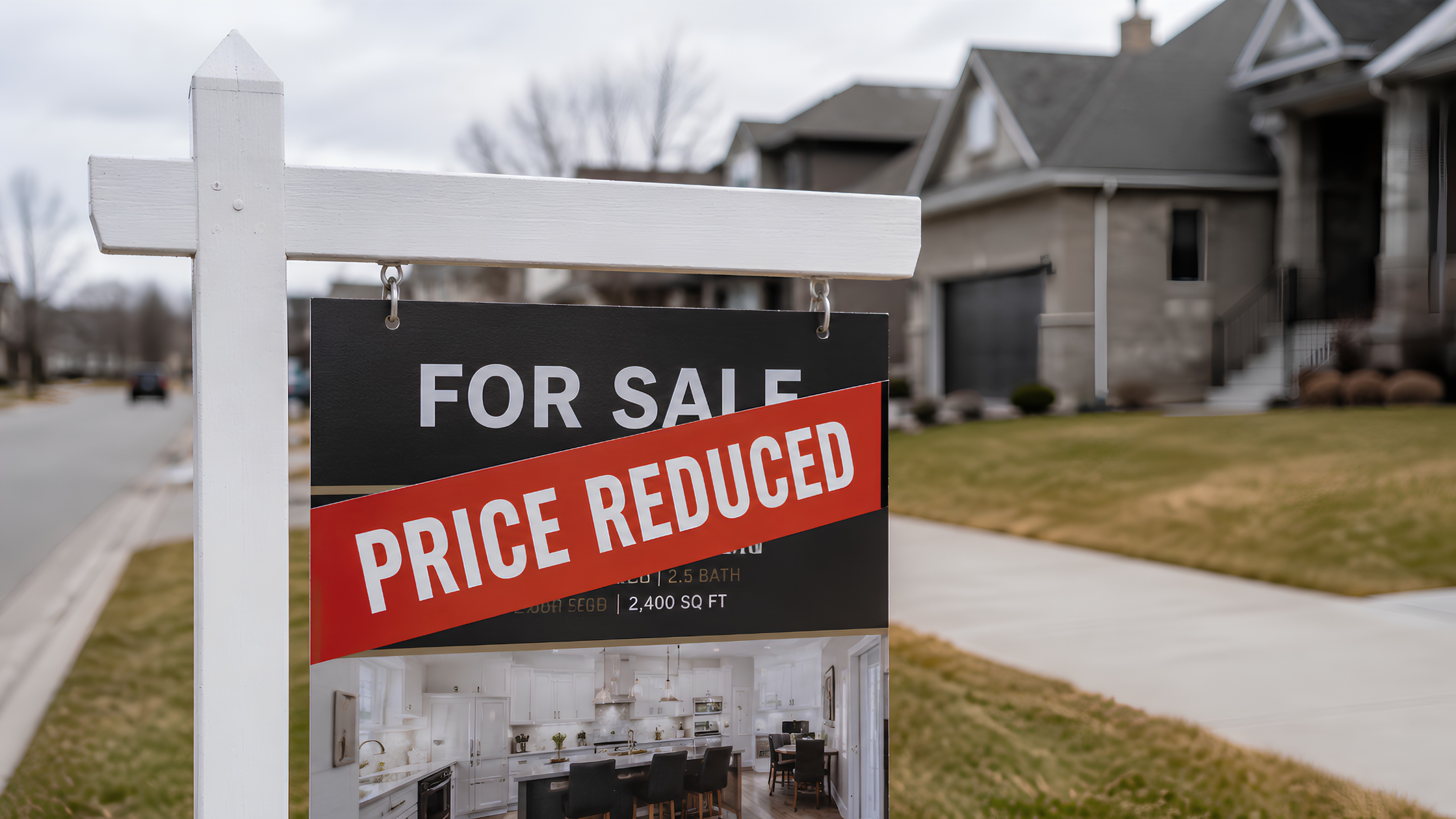
Once you reduce the price, you do get a temporary boost in visibility. However, studies from Realtor.com's research team show that price-reduced listings still close at lower prices relative to the original list price than comparable homes that sold without a reduction. The longer you wait to reduce, the more that gap tends to widen.
The math favors getting it right on day one.
Things to Know
Chicago is a neighborhood market, not a city market. Prices in River North and prices in Bridgeport are driven by entirely different buyer pools and demand dynamics. Always run your CMA at the neighborhood level.
Condo assessments affect buyer financing. High HOA fees reduce how much a buyer can borrow, which effectively caps your price in buildings with elevated monthly dues.
Cosmetic condition matters more than you think. A home priced correctly but showing poorly will still underperform. Presentation and price work together.
Pre-listing inspections can support your price. Having an independent inspection done before listing gives you documentation to justify your asking price and reduces the risk of renegotiation after the buyer's inspection.
Your first price sets the anchor. Once you list at a number, every subsequent reduction is measured against it. Starting too high and reducing twice is more damaging than starting correctly and holding firm.
Buyer agent incentives matter. In some Chicago markets, adjusting buyer agent compensation in your listing can affect how aggressively agents prioritize showing your property.
Supporting Buyers Who Need Context
Part of pricing effectively is understanding who is buying. In Chicago, a significant portion of buyers, especially in neighborhoods like University Village, Logan Square, and Hyde Park, are first-time buyers who are navigating their own budget ceilings. Understanding their perspective helps you price in a range where financing is accessible.
For anyone working with first-time buyers or seeking to understand buyer behavior in your price range, the resource on first-time home buyer programs in Chicago, costs, and what to expect outlines the programs, costs, and expectations that shape what these buyers can and will offer.
For ongoing Chicago real estate market insights, you can also browse our blogs where we publish regular updates on pricing trends, neighborhood data, and seller strategies.

Ready to Price Your Property Right?
The single most actionable step you can take right now is to request a professional CMA from an agent who specializes in your specific Chicago neighborhood. National valuation tools and online estimates are useful for ballpark awareness, but they cannot replace the judgment of a local expert who has walked comparable units and closed deals in your building or block.
Contact Option Premier LLC at (312) 500-5808 or email info@optionpremier.com to schedule a pricing consultation. Our office is located at 1021 W Adams St, Suite 200, Chicago, IL 60607. Cory Tanzer and the broader Option Premier team are ready to run a detailed CMA and help you position your home competitively from day one.
Frequently Asked Questions
-
The most effective strategy is pricing at or just below current market value based on a professional CMA.
Homes priced accurately from the start attract more qualified buyers, generate stronger offers earlier, and close faster than homes that require price reductions. In competitive Chicago neighborhoods, pricing 1-2% below the top of your market range can trigger multiple offers and push the final sale price above list.
-
Illinois home prices have shown resilience overall, though specific markets and property types vary significantly.
According to data tracked by the Illinois Realtors Association, median sale prices in the Chicago metro have held relatively stable compared to more volatile Sun Belt markets. Condo prices in certain high-supply downtown buildings have faced more pressure than single-family homes in suburban areas.
-
The biggest value killers are deferred maintenance, poor condition at showing, location-specific factors, and problematic HOA financials.
Structural issues, water damage, foundation problems, and outdated electrical systems can each reduce a property's appraised value significantly. In condo buildings, a poorly funded reserve account or pending special assessments can suppress buyer interest and lender approval.
-
Red flags that hurt a sale include stale listings, repeated price reductions, disclosure issues, and poor showing conditions.
Buyers and their agents pay close attention to days on market and price history. A listing that has sat for 60-plus days with two reductions signals problems even when none exist. Incomplete disclosures and inspection surprises are the most common deal-killers at the contract stage.
-
Whether 2026 is a good year to sell depends heavily on interest rate trends, local inventory levels, and your specific property type.
Most forecasters, including analysts cited by Reuters, suggest that if mortgage rates ease from current levels, buyer demand could increase meaningfully in 2025 and into 2026, which would support seller pricing power. Chicago's market will also be shaped by local inventory supply, which has remained constrained in many neighborhoods.
The Bottom Line on How to Price Your Home to Sell
Pricing is not guesswork, and it is not about what you need or want to net. It is about what the market will bear, what comparable properties have sold for, and how effectively you position your home against active competition. Every week a home sits overpriced is a week that erodes buyer interest, negotiating position, and ultimately your net proceeds.
Option Premier's team of Chicago real estate professionals is ready to walk you through every step. Reach out by submitting a form to connect with an agent to get your professional valuation and start your selling plan today.