Chicago’s Most Iconic Architecture Styles: How the City Changed the World’s Skyline Forever

CHICAGO — Every day, millions of people walk through Chicago without realizing they’re surrounded by some of the most influential architecture ever built. Glass towers, historic landmarks, Art Deco masterpieces, and revolutionary skyscrapers have become such a normal part of the city’s skyline that it’s easy to forget just how groundbreaking they were.
What makes Chicago different isn’t simply the number of famous buildings. It’s the fact that many of the architectural styles and engineering innovations that define modern cities were either born here or perfected here. From the aftermath of the Great Chicago Fire to the rise of the world’s first skyscrapers, Chicago became a laboratory for architects who wanted to change the way cities were built.
If you've ever wondered why Chicago is considered one of the greatest architecture cities in the world, here’s the story behind the styles that shaped its skyline.
The Great Chicago Fire Changed Everything
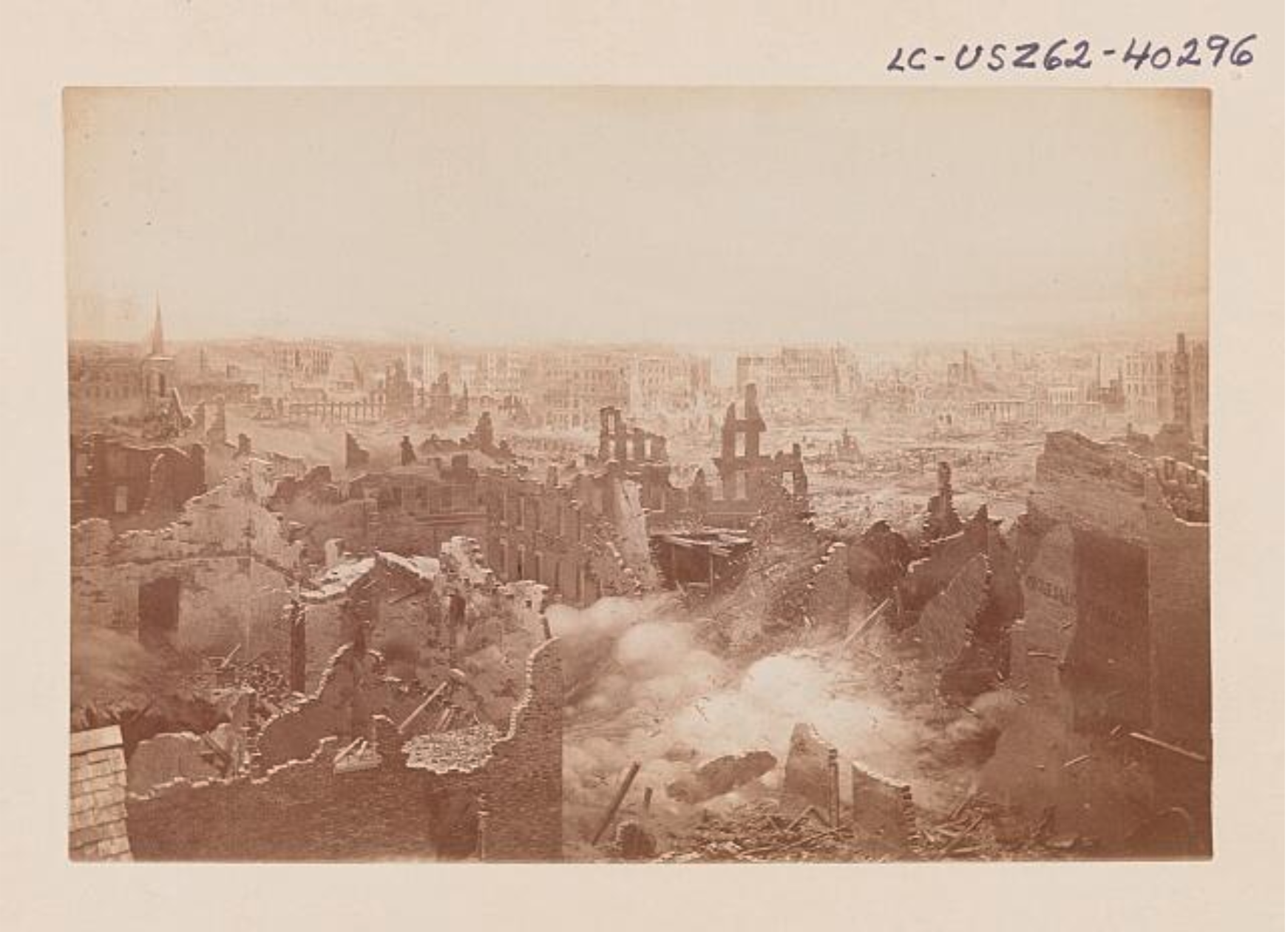
From the Library of Congress: https://www.loc.gov/pictures/resource/ds.14600/
You can’t talk about Chicago architecture without starting with the Great Chicago Fire of 1871.
Over two devastating days in October 1871, approximately 17,500 buildings were destroyed, leaving more than 100,000 residents homeless. Entire neighborhoods disappeared, forcing the city to rebuild at a scale rarely seen in American history.
While the disaster was catastrophic, it also created a unique opportunity. Chicago wasn't rebuilding one building at a time. It was rebuilding an entire city.
Architects and engineers arrived from around the world, eager to experiment with new ideas that older cities simply wouldn't allow. That willingness to innovate laid the foundation for nearly every major architectural movement that followed.
The Chicago School: The Birthplace of the Skyscraper
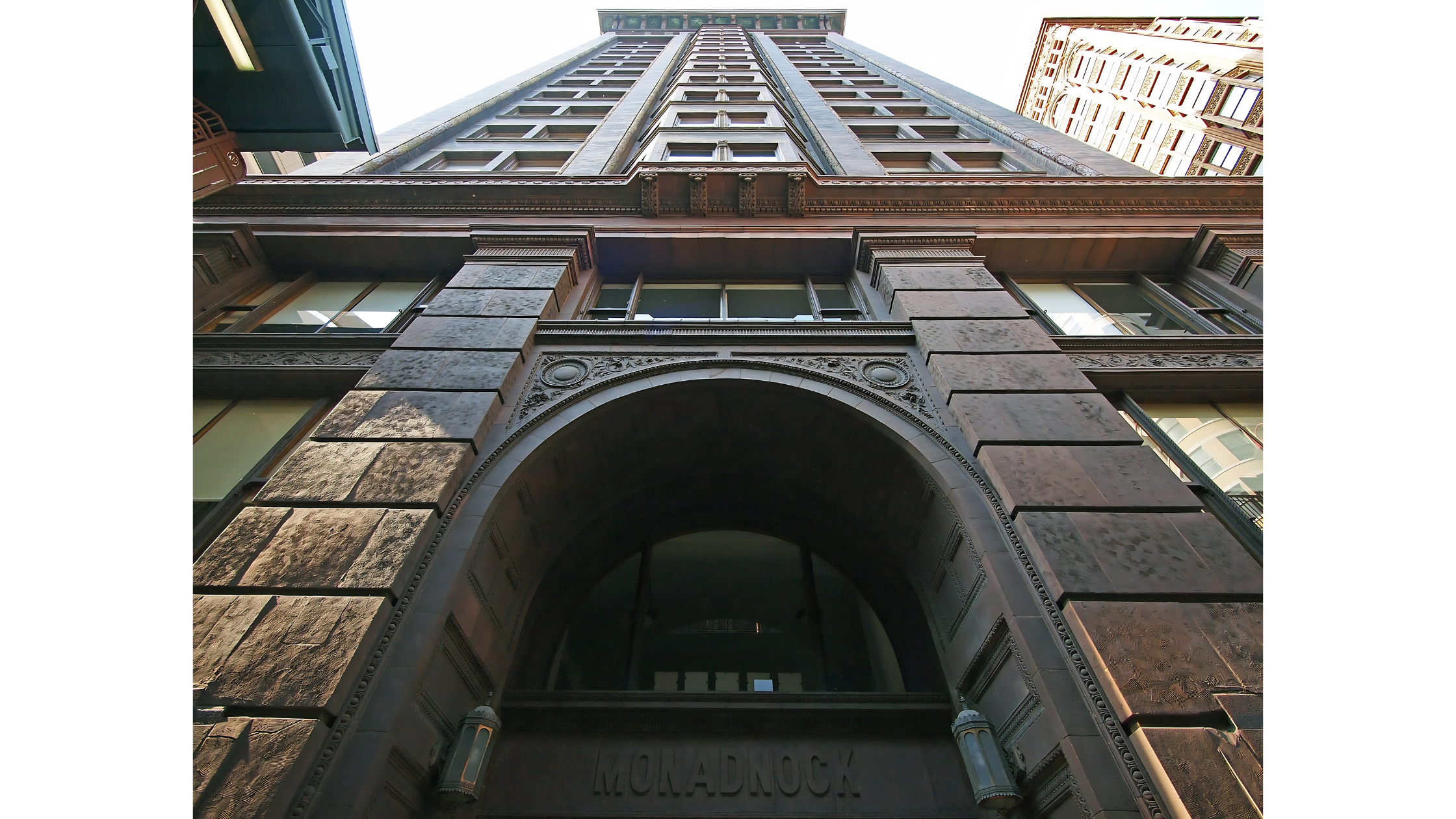
By JohnPickenPhoto from Chicago, USA – Monadnock Building, Chicago, CC BY 2.0, https://commons.wikimedia.org/w/index.php?curid=129115846
Perhaps Chicago’s greatest architectural contribution is one that transformed cities across the globe: the skyscraper.
In 1885, architect William Le Baron Jenney completed the Home Insurance Building at the corner of LaSalle and Adams Streets. While modest by today’s standards, the building changed architecture forever by using a revolutionary steel-frame structure.
Before steel framing, taller buildings required massive masonry walls that became increasingly thicker at the base. Jenney’s innovation shifted the weight to an internal steel skeleton, allowing buildings to rise higher while creating more usable interior space.
Chicago instantly became the birthplace of the modern skyscraper.
Another surviving symbol of this era is the Monadnock Building, completed in 1891. Standing 16 stories tall, it remains the tallest load-bearing brick building ever constructed. Its massive six-foot-thick walls demonstrated exactly why steel-frame construction would become the future.
The era also produced one of downtown Chicago’s most beloved landmarks, The Rookery Building, completed in 1888 by Burnham & Root and later redesigned inside by Frank Lloyd Wright. Its dramatic contrast between a dark exterior and a bright, elegant interior remains one of the city's architectural treasures.
Louis Sullivan and the Philosophy of "Form Follows Function"
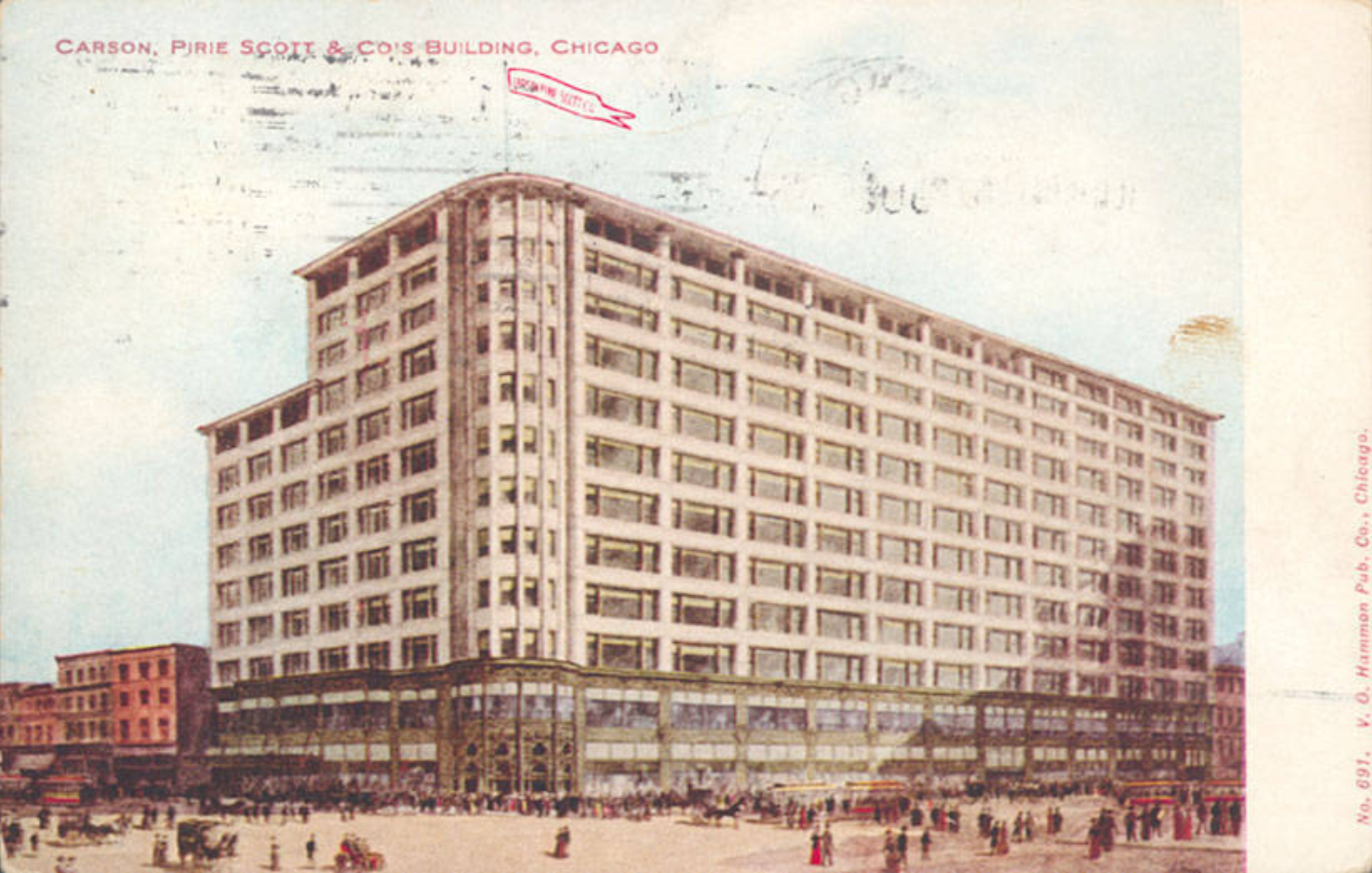
By Unknown author – https://collections.carli.illinois.edu/cdm/singleitem/collection/nby_teich/id/417543, Public Domain, https://commons.wikimedia.org/w/index.php?curid=67087946
No discussion of Chicago architecture is complete without Louis Sullivan, often called the "Father of Modern Architecture."
Sullivan introduced the famous phrase "form follows function," arguing that a building’s design should reflect its purpose rather than relying on unnecessary decoration.
Ironically, many of Sullivan’s buildings feature incredibly detailed ornamental work. However, his belief was that decorative elements should enhance a building’s purpose rather than distract from it.
One of the best examples is the historic Carson Pirie Scott Building along State Street, where decorative metalwork frames the retail storefront while remaining closely tied to the building’s commercial function.
Perhaps Sullivan’s greatest legacy wasn’t just his buildings. It was mentoring a young architect named Frank Lloyd Wright.
Prairie Style: Frank Lloyd Wright’s Vision of the Midwest
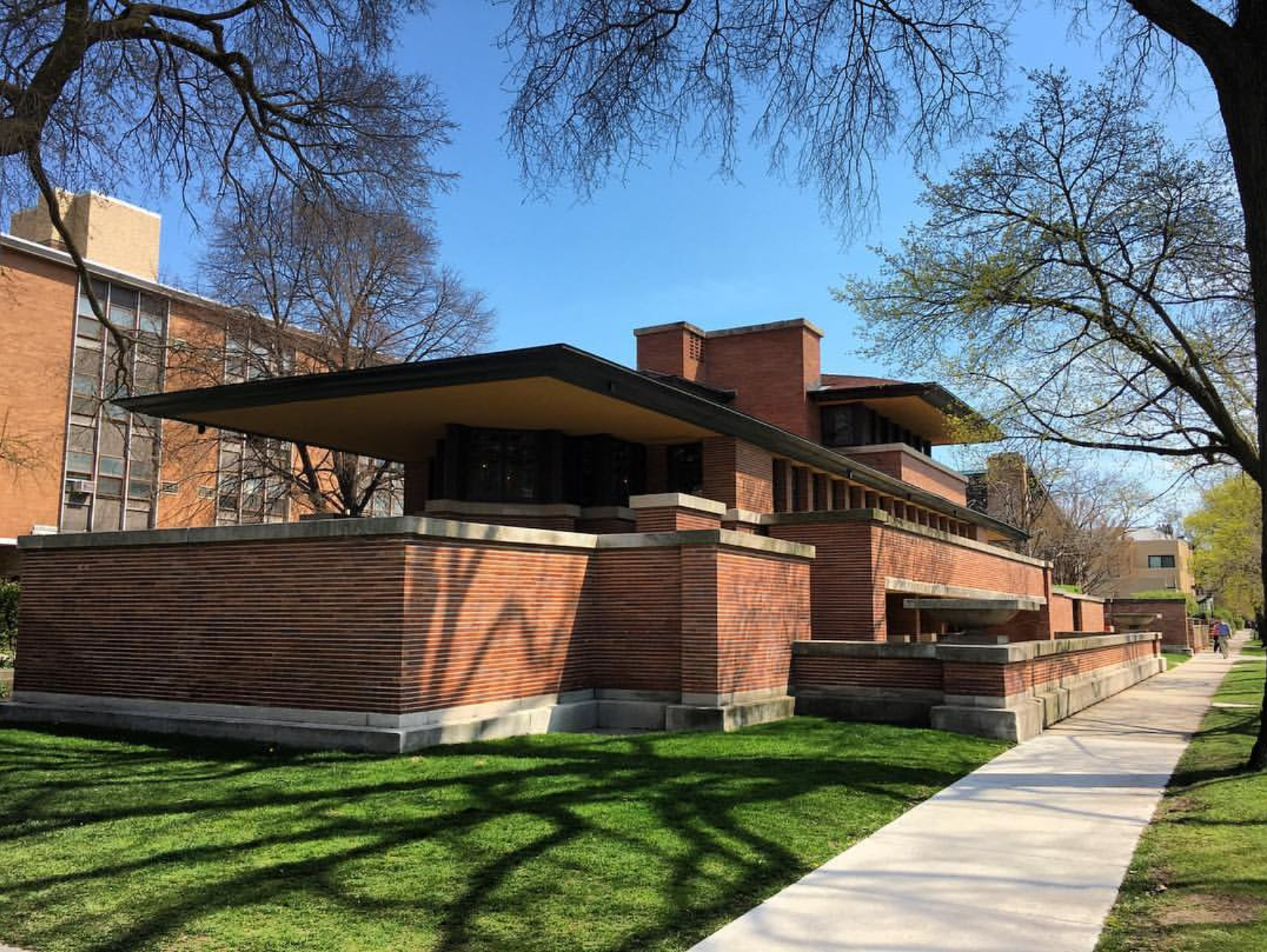
By grego1402 – La prairie house de #franklloydwright #chicago #robiehouse, CC BY 2.0, https://commons.wikimedia.org/w/index.php?curid=129990075
While Chicago helped shape Wright's early career, he eventually developed an architectural language entirely his own.
Known as Prairie Style, Wright’s designs emphasized horizontal lines, low roof profiles, expansive overhangs, and long rows of windows intended to mirror the Midwestern landscape.
The most famous local example is the Robie House in Hyde Park, completed in 1910.
Unlike traditional homes of its era, the building stretches horizontally across its site, with dramatic rooflines extending far beyond the walls. The design was intended to blend into the landscape rather than dominate it.
More than a century later, it remains one of the most influential residential designs ever built and a must-see destination for architecture enthusiasts visiting Chicago.
Art Deco: Chicago’s Golden Age of Design
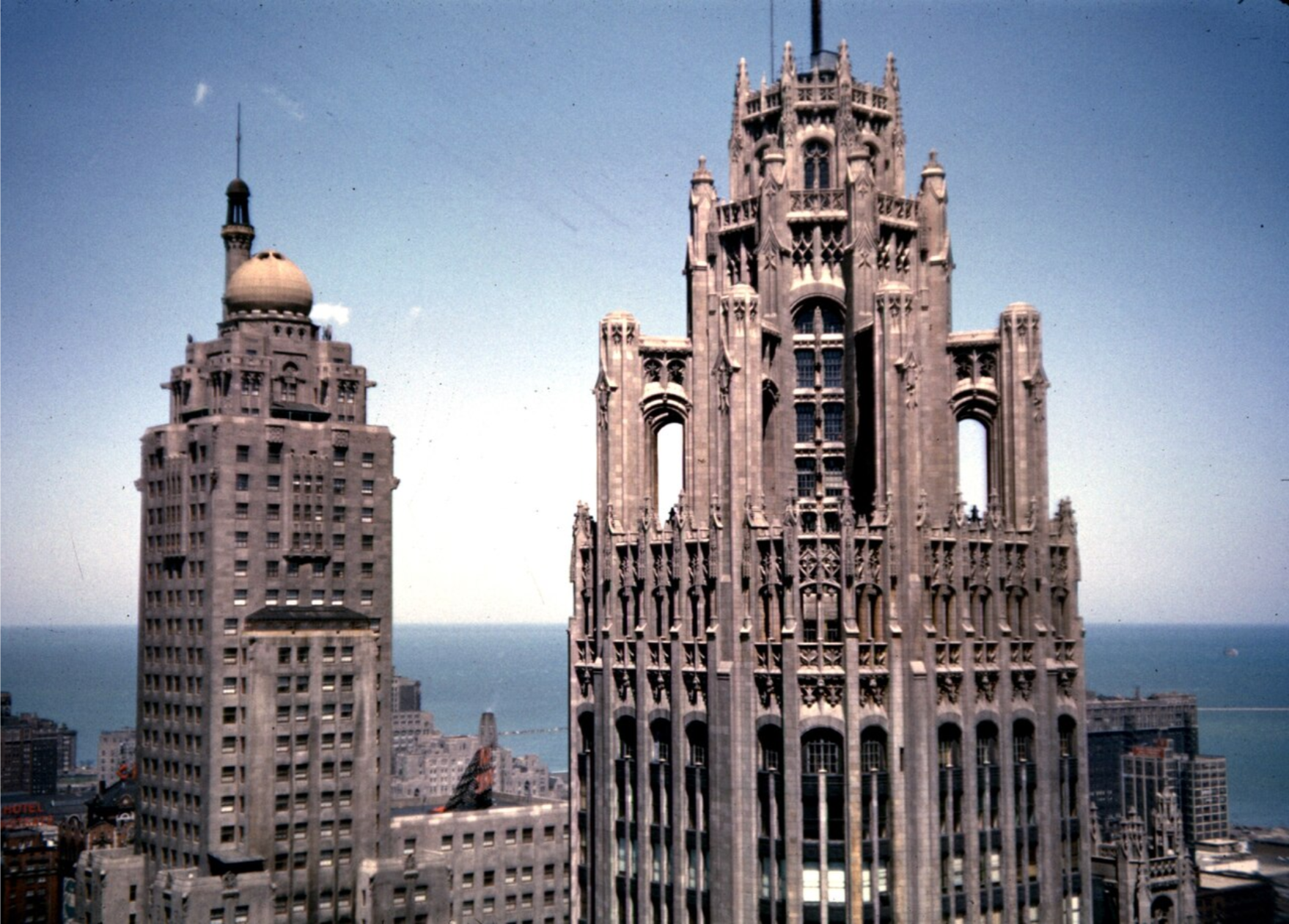
By Joe+Jeanette Archie – 1952-CM02019, CC BY 2.0, https://commons.wikimedia.org/w/index.php?curid=52779263
By the 1920s, Chicago had become one of America’s fastest-growing cities. Economic prosperity fueled an architectural boom that gave rise to some of the city's most recognizable landmarks.
One of the most famous examples is the Tribune Tower, completed in 1925 along North Michigan Avenue.
Originally the result of an international design competition, the tower combines Gothic inspiration with emerging Art Deco influences. The result is one of Chicago’s most photographed buildings.
What many visitors don't realize is that embedded into the building's exterior are fragments collected from some of the world's most famous landmarks, including pieces from the Parthenon, Great Wall of China, Westminster Abbey, Taj Mahal, and even the Berlin Wall.
Another Art Deco masterpiece is the Chicago Board of Trade Building, completed in 1930. Topping the structure is a massive 45-foot statue of Ceres, the Roman goddess of grain. Interestingly, the statue has no facial features because architects believed nobody would ever see it clearly from the ground.
Mies van der Rohe and the Rise of Modernism
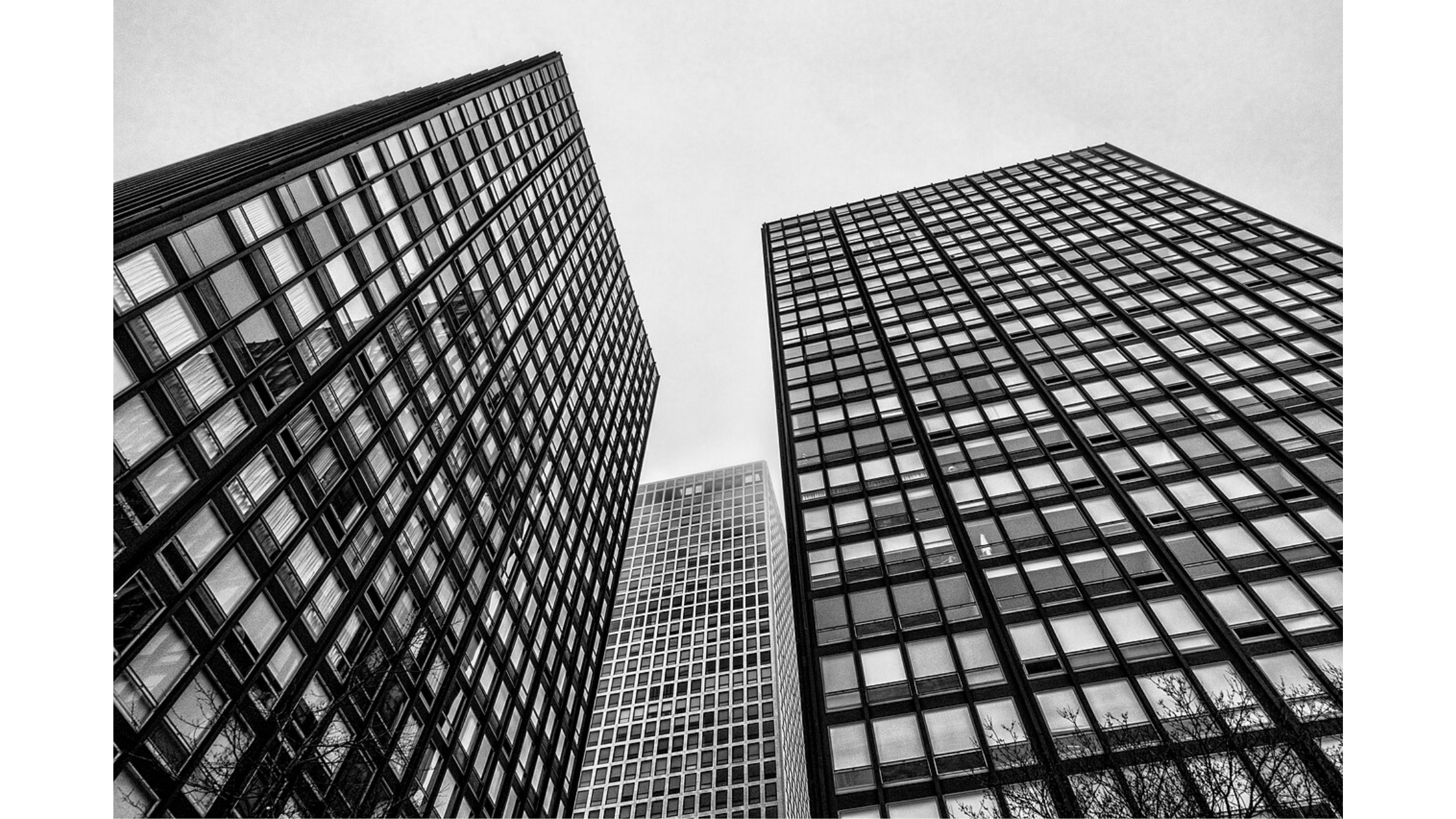
By Marc Rochkind – Own work, CC BY-SA 4.0, https://commons.wikimedia.org/w/index.php?curid=57520545
When Ludwig Mies van der Rohe arrived in Chicago after fleeing Nazi Germany, he fundamentally changed modern architecture.
As director of the architecture program at the Illinois Institute of Technology, Mies championed simplicity, structure, and honesty in design. His philosophy became known through the phrase:
"Less is more."
His most influential Chicago work, 860-880 Lake Shore Drive, completed in 1951, introduced a sleek glass-and-steel design language that would later dominate skylines around the world.
Today, nearly every modern glass office tower owes something to the design principles Mies helped establish in Chicago.
Chicago’s Most Recognizable Skyline Icons
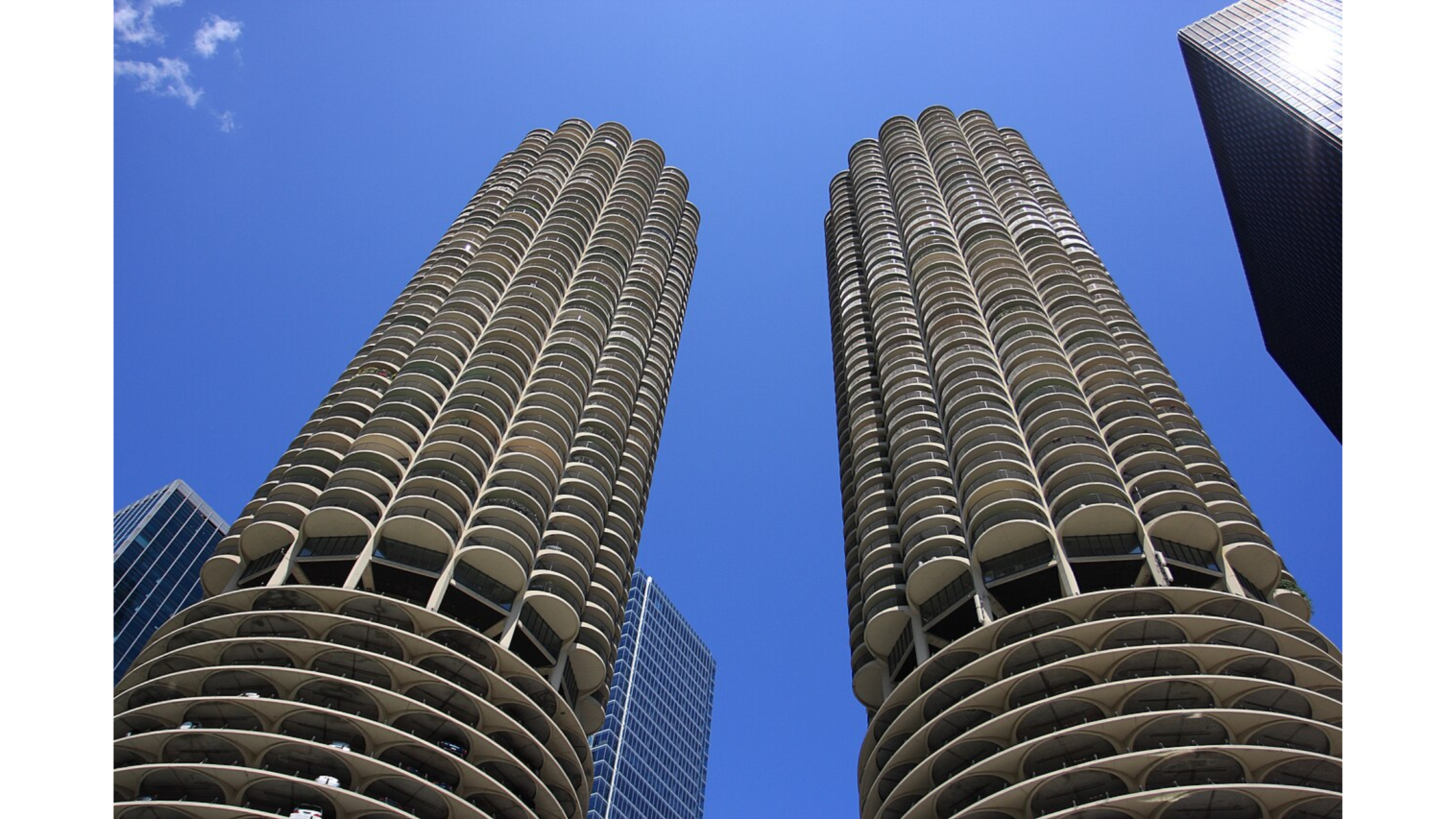
By DGriebeling – Chicago 169, CC BY 2.0, https://commons.wikimedia.org/w/index.php?curid=128609914
The 1960s and 1970s ushered in a new era of architectural ambition as developers competed to redefine the skyline.
Marina City
Completed in 1964, Marina City remains one of Chicago’s most recognizable landmarks. Designed by Bertrand Goldberg, its twin circular towers resemble giant corncobs, a nickname Chicagoans still use today.
The project introduced the idea of a "city within a city," combining residences, parking, entertainment, and commercial uses into a single development.
John Hancock Center
Finished in 1969, the John Hancock Center instantly became recognizable thanks to its massive exterior X-bracing.
Those giant steel crosses aren't decorative. They're structural elements designed to resist wind loads while freeing up interior floor space. The building demonstrated that engineering itself could become architectural art.
Willis Tower (Formerly Sears Tower)
When the Sears Tower opened in 1973, it became the tallest building in the world.
Standing 1,451 feet tall with 110 stories, its revolutionary bundled-tube structural system allowed engineers to build higher than ever before while maintaining stability.
Even today, standing at its base and looking up remains one of the most impressive experiences in Chicago.
Jeanne Gang and the Future of Chicago Architecture
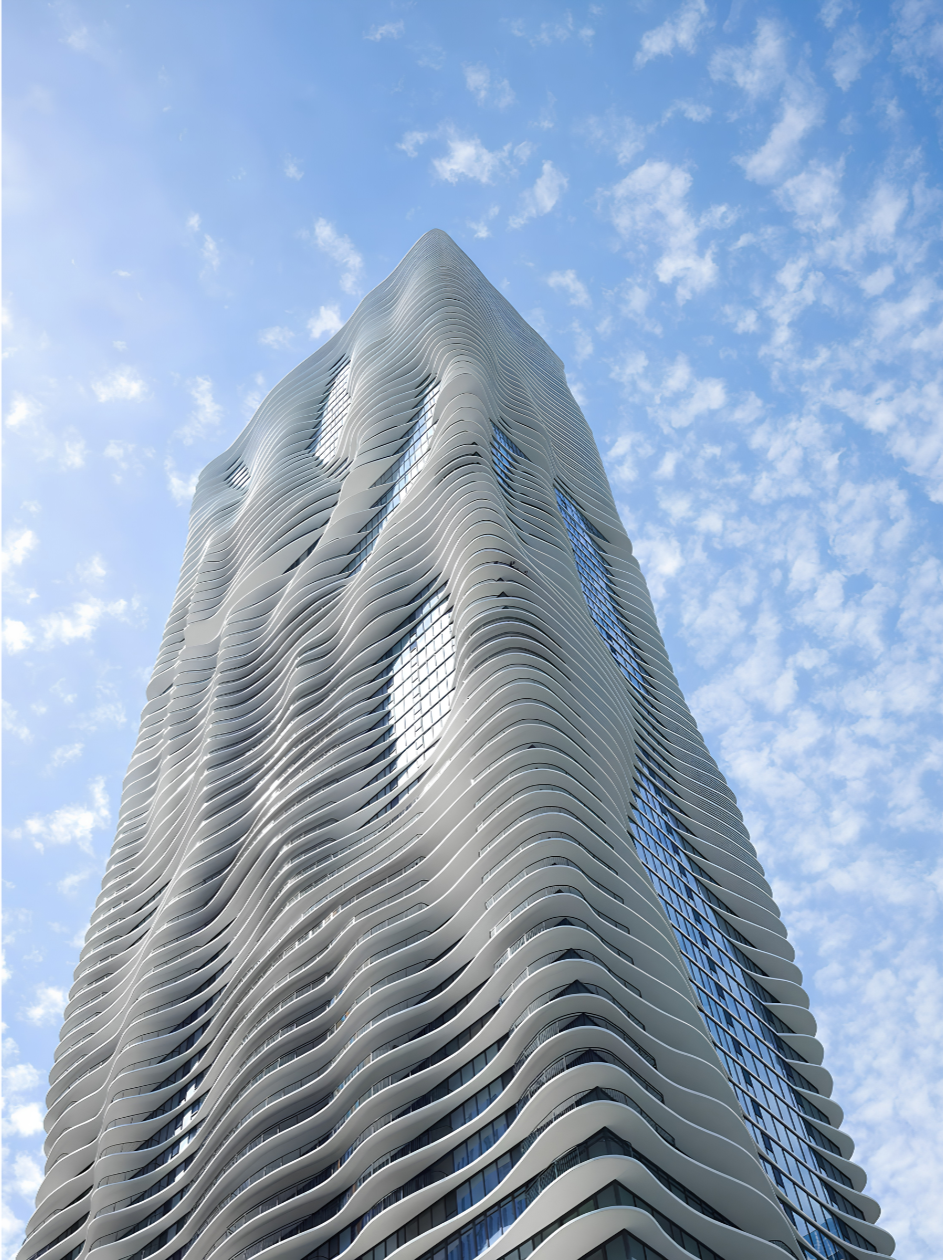
Chicago continues to push architectural boundaries into the 21st century.
A perfect example is Aqua Tower, completed in 2009 and designed by acclaimed architect Jeanne Gang.
Unlike traditional skyscrapers, Aqua’s balconies extend different distances on every floor, creating a rippling appearance that makes the building seem to move as you walk past it.
The design isn't just artistic. The irregular balconies provide shade, reduce wind effects, and improve views for residents.
At 82 stories, Aqua became one of the tallest buildings ever designed by a woman and further cemented Chicago’s reputation as a global leader in architectural innovation.
The Best Way to Experience Chicago Architecture
The easiest way to appreciate Chicago's architectural history is from the water.
The Chicago Architecture Center River Cruise remains one of the most highly rated experiences in the city, offering a close-up view of many of the buildings that helped shape modern architecture.
For those who prefer to explore on foot, the Loop offers one of the most concentrated collections of architectural history anywhere in the world. Spend a couple of hours walking through downtown, look up frequently, and you'll experience over a century of architectural evolution within just a few city blocks.
Also Read: Tickets Now Available for the Obama Presidential Center Ahead of June Opening
Planning Your Next Move?
Ranked among the top 1 percent of real estate teams in the Chicagoland market, Cory Tanzer and the Cory Tanzer Group are experts in helping buyers and sellers navigate today’s market across Downtown Chicago, the North Shore, and the Western Suburbs. Recognized for their neighborhood expertise in areas like University Village, University Commons, South Loop, and Pilsen, the team helps clients stay one step ahead by understanding where the Chicago market is moving next.