Walkable Neighborhoods in Chicago: Why Buyers Are Prioritizing Location in 2026

For buyers searching for a home in Chicago in 2026, bedrooms, square footage and finishes are only part of the decision. Increasingly, buyers are also looking at the neighborhood outside the front door and asking a practical question: What can I walk to from here?
New research from the National Association of REALTORS® shows just how important walkability has become. Eighty-nine percent of respondents said sidewalks and places to walk matter when deciding where to live, while 82% said being within an easy walk of shops and parks is important.
Even more notable, 63% said they would pay more to live in a community where they could easily walk to parks, shops and restaurants.
For Chicago homebuyers, that can make walkability, CTA access and nearby everyday amenities an important part of evaluating both a neighborhood and a specific property.
Why Walkable Neighborhoods in Chicago Matter to Buyers
The 2026 NAR Community and Transportation Preference Survey, which included 2,000 adults in the 50 largest U.S. metropolitan areas, found that many Americans prefer communities where everyday destinations are close to home.
When respondents had to choose between a larger property that required more driving and a smaller property in a walkable community, 59% preferred the walkable option.
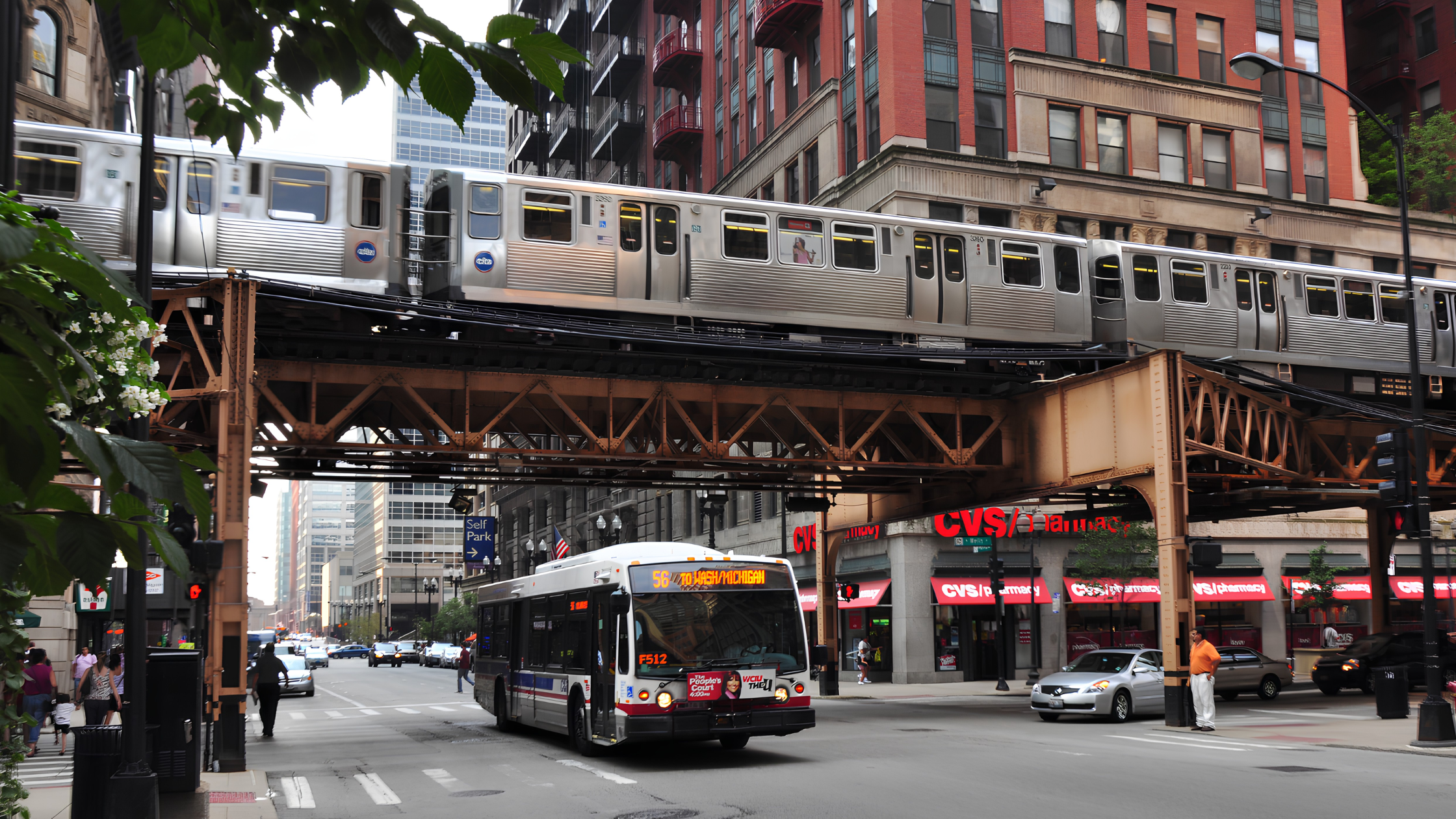
That tradeoff can be especially relevant when comparing Chicago condos.
A buyer might choose slightly less square footage if the property provides convenient access to:
A CTA train station or frequent bus route
Grocery stores and pharmacies
Coffee shops and restaurants
Parks and lakefront access
Fitness options
Entertainment
Everyday services
Work or school
Walkability does not replace price, layout, condition or monthly ownership costs. It adds another factor to the value equation.
A home that makes daily errands, commuting and entertainment easier may simply work better for a buyer's lifestyle than a comparable property where nearly every trip requires driving.
Chicago's CTA Network Makes Walkability Even More Valuable
Chicago has something many housing markets cannot easily replicate: dense neighborhood commercial corridors paired with one of the country's largest public transportation systems.
The Chicago Transit Authority operates 127 bus routes serving 10,667 stops, along with eight rail lines and 146 'L' stations. More than 1 million rides are taken on CTA on an average weekday.
CTA's Frequent Network also includes 20 bus routes with scheduled service every 10 minutes or better for much of the day. About 70% of CTA's service area is within a half-mile of a Frequent Network route.
That connection between walkability and public transportation is particularly important for Chicago buyers.

A homebuyer does not necessarily need to live within walking distance of work. Being able to walk several minutes to the Red Line, Blue Line, Pink Line or a frequent bus route can dramatically increase the number of destinations reachable without relying on a car.
Chicago also recently ranked No. 9 among the best U.S. cities for living without a car, with nearly 17.7% of residents commuting by public transportation and 5.8% commuting on foot.
For buyers researching Chicago neighborhoods near public transportation, the combination of transit access and nearby amenities can be just as important as the home itself.
What Should Buyers Check Before Buying in a Walkable Chicago Neighborhood?
A Walk Score can be helpful during the initial search. Walk Score classifies addresses with scores of 90 to 100 as a “Walker's Paradise” and 70 to 89 as “Very Walkable.”
But a score should not replace experiencing the neighborhood yourself.
Before making an offer, consider these questions:
Where is the nearest grocery store?
Look beyond what appears on a map. Is it a store you would realistically use for weekly groceries?
How far is the CTA?
Walk the route from the property to the train station or bus stop rather than relying only on the number of blocks shown online.
What can you reach within 5, 10 and 15 minutes?
Check restaurants, coffee shops, parks, fitness options, pharmacies and other destinations you expect to use regularly.
How does the block feel at different times?
If possible, visit during the morning commute, evening and weekend.
Would you actually use the parking space?
In some Chicago condo buildings, parking can represent an additional purchase cost or ongoing monthly expense. Buyers who expect to use CTA and walk most places may evaluate parking differently.
Are future developments changing the area?
New residential projects, retail, parks, pedestrian improvements and transit investments can change how convenient a location becomes over time.
These details can provide a better picture of everyday life than simply searching for the best walkable neighborhoods in Chicago and assuming every property within them offers the same experience.
Does Walkability Affect Home Value?
There is no single amount that buyers will pay for walkability, and its importance varies by household.
However, the NAR findings show that 63% of respondents would be willing to pay more for easy walking access to parks, shops and restaurants.
That makes walkability relevant to sellers too.
Instead of describing a Chicago condo as simply having a “great location,” property marketing can show buyers exactly what the location provides:
Two blocks from the CTA. Five minutes from the grocery store. Around the corner from Taylor Street restaurants. A short walk to the lakefront. Steps from neighborhood parks.
Those details turn an abstract location claim into a lifestyle buyers can understand.
For sellers in highly walkable areas, nearby transit, restaurants, parks, groceries and neighborhood businesses should be treated as part of the property's overall value proposition, not as an afterthought.
Find a Walkable Chicago Home That Fits Your Lifestyle
The right Chicago home is not only about what is inside the unit.
Transit access, restaurants, parks, groceries, commute options and the everyday experience of the surrounding blocks can have a major impact on how well a property fits your routine.
Connect with The Cory Tanzer Group at Option Premier to compare Chicago homes based on more than listing photos. Whether you are considering South Loop, West Loop, University Village, University Commons, Little Italy, Pilsen or another Chicagoland community, the team can help you evaluate the property, transportation options, nearby amenities and surrounding blocks before deciding where your money delivers the most value.
Stay Connected
Ranked among the top 1% of real estate teams in the Chicagoland market, The Cory Tanzer Group at Option Premier is recognized for proven sales performance, neighborhood expertise, and consistent results across Chicago and the surrounding suburbs.
In the 2026 RealTrends Verified rankings, based on 2025 sales data, the team completed 181 transaction sides representing $79.28 million in sales volume. The Cory Tanzer Group ranked No. 13 in Illinois by transaction sides, No. 20 in Illinois by sales volume, No. 270 nationally by transaction sides, and No. 439 nationally by sales volume.
The team also earned The CARLY, the highest honor for Platinum Sales Dollars and Platinum Units Sold, at the Chicago Association of REALTORS® Sales Awards.
Led by Cory Tanzer, the team helps buyers, sellers, investors, landlords, and renters navigate real estate across Downtown Chicago, the North Shore, and the Western Suburbs, with local expertise in University Village, University Commons, South Loop, West Loop, Little Italy, Pilsen, and surrounding Chicagoland communities.
Connect with The Cory Tanzer Group at Option Premier for trusted local market insight, personalized guidance, and a proven strategy for your next Chicago real estate move.