You May Have More Home Equity Than You Think — Here’s How to Use It

Why Home Equity Is One of the Most Powerful Financial Tools Homeowners Have
Many homeowners today have built up significant home equity, often without realizing just how much. Home equity is the difference between your home’s current market value and what you still owe on your mortgage. As home values increase and you pay down your loan over time, your ownership stake grows.
According to housing data from the U.S. Census and ATTOM, about two-thirds of homeowners now have substantial equity in their homes, with many owning at least half of their property outright.
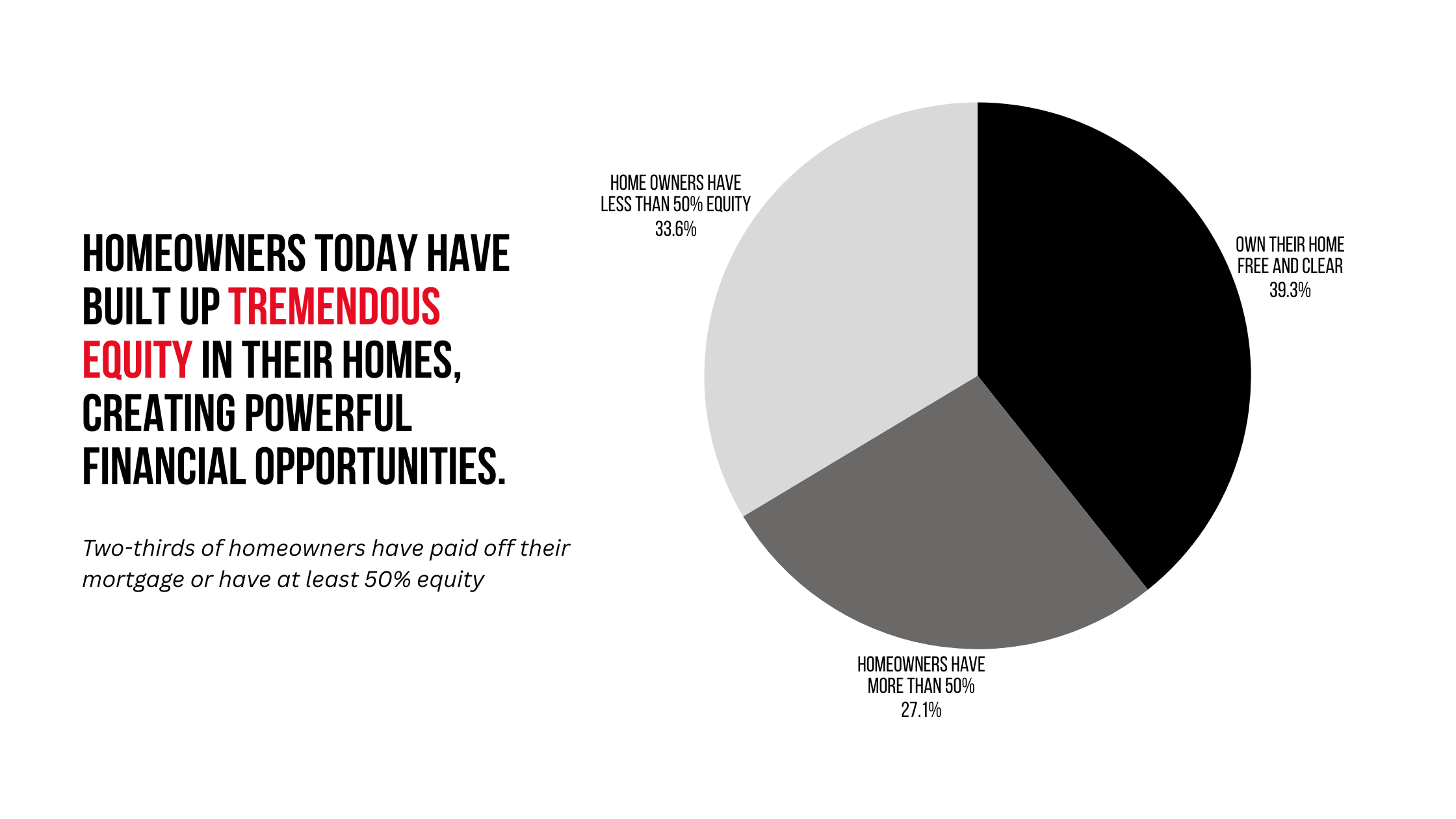
That equity is more than just a number. It can be a powerful financial resource that helps homeowners reach their goals, whether that means moving, renovating, or planning for the future.
1. Move Into a Home That Better Fits Your Life
Over time, your housing needs can change. A growing family might need more space, while empty nesters may prefer something smaller and easier to maintain.
Home equity can make that transition easier. Many homeowners use the equity they’ve built as a down payment on their next home, which can reduce how much they need to borrow or even allow them to purchase their next property with less financing.
For homeowners considering a move, built-up equity often makes the next step much more achievable than they initially expect.
2. Upgrade or Renovate Your Current Home
Not everyone wants to move right away. Another way homeowners use their equity is to invest back into their current home through renovations or improvements.
Projects like kitchen upgrades, bathroom renovations, or energy-efficient improvements can improve day-to-day living while also increasing the property’s future resale value.
However, not every renovation delivers the same return. That’s why many homeowners consult with a real estate professional before starting major upgrades to focus on improvements that buyers value most.
3. Help Fund Major Life Goals
Home equity can also support important life milestones. Some homeowners use their equity to:
Start a new business
Help fund a child’s education
Support retirement planning
Assist family members with a home purchase
Using equity responsibly for meaningful goals can create long-term financial opportunities while leveraging an asset many homeowners already have.
4. Create Financial Flexibility During Challenging Times
Equity can also provide a financial safety net. If unexpected financial challenges arise, having equity in your home may provide options such as selling the property or refinancing to improve cash flow.
While foreclosure rates remain historically low, understanding the financial cushion that equity provides can help homeowners make more informed decisions during difficult periods.
Why Many Homeowners Don’t Realize How Much Equity They Have
Because home values increased significantly over the past several years, many homeowners have accumulated equity without actively thinking about it. Some estimates suggest the typical homeowner holds hundreds of thousands of dollars in housing wealth built over time.
For many people, their home has become their largest financial asset.
Curious How Much Equity You’ve Built?
One of the first steps in planning your next move is understanding how much equity you currently have in your home. That information can help you determine whether it makes sense to move, refinance, renovate, or simply continue building wealth through homeownership.
A professional home equity analysis can provide insight into:
Your estimated home value in today’s market
Your current equity position
What options may be available to you
Many homeowners are surprised to discover how much flexibility their equity provides.
Stay Connected
Ranked among the top 1% of real estate teams in the Chicagoland market, Cory Tanzer and the Cory Tanzer Group are experts in helping buyers and sellers navigate today’s market across Downtown Chicago, the North Shore, and the Western Suburbs. Recognized for their neighborhood expertise in areas like University Village, University Commons, South Loop, and Pilsen, the team helps clients stay one step ahead by understanding where the Chicago market is moving next.