Welcome to Hyde Park: Where Intellectual Energy, Lakefront Beauty, and Cultural Legacy Define Chicago Living
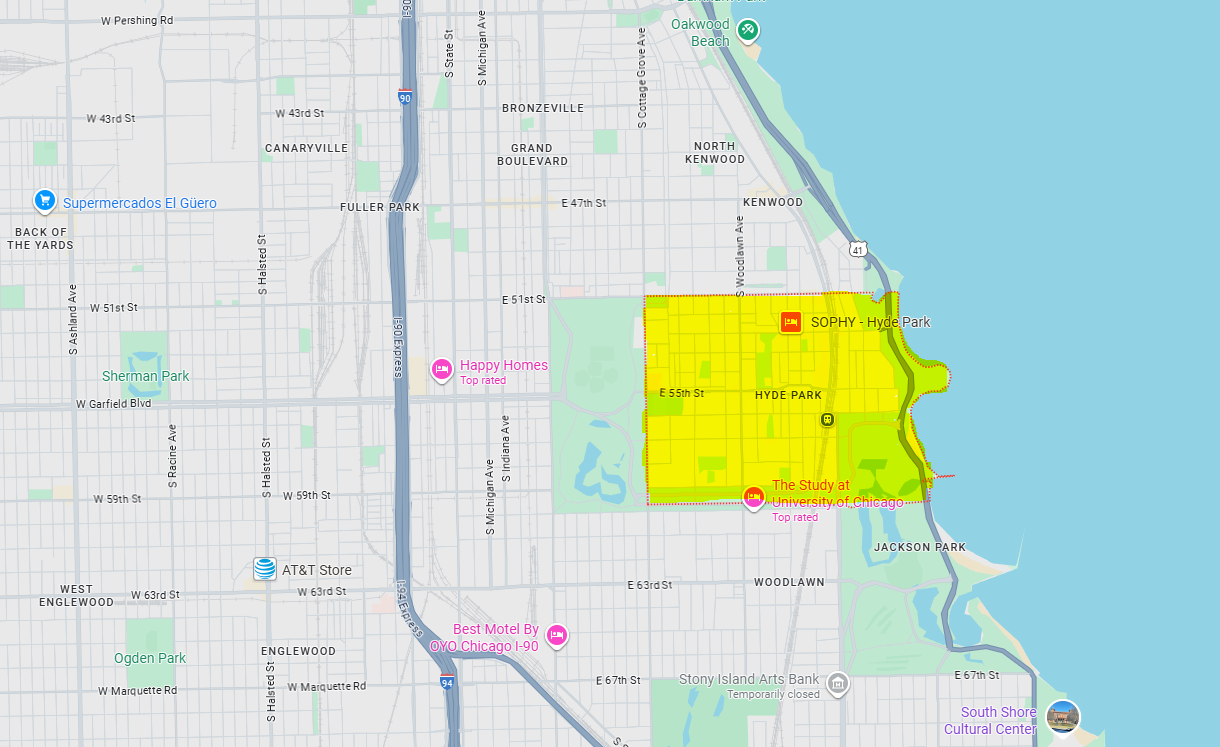
Nestled along the scenic shores of Lake Michigan on Chicago’s South Side, Hyde Park is one of the city’s most iconic and intellectually vibrant neighborhoods — a place where world-changing ideas are born, cultures converge, and urban life meets natural serenity. Bounded by 51st Street to the north, 60th Street to the south, Lake Michigan to the east, and Cottage Grove Avenue to the west, this historic community is home to the University of Chicago, the Museum of Science and Industry, and a legacy of innovation, activism, and inclusion.
More than just a neighborhood, Hyde Park is a cultural crossroads — where Nobel laureates walk alongside artists, students debate philosophy in coffee shops, and families stroll tree-lined boulevards under the shadow of Gothic spires. It’s a place of curiosity, diversity, and enduring charm — where tradition and progress walk hand in hand.
🏛️ A Legacy of Excellence and Innovation
At the heart of Hyde Park lies the University of Chicago, a globally renowned institution founded in 1890 and known for its rigorous academics, groundbreaking research, and distinctive Gothic architecture. The university’s presence shapes the neighborhood’s identity — fostering a community that values intellectual inquiry, civic engagement, and lifelong learning.
Hyde Park has also played a pivotal role in American history:
Home to President Barack Obama and First Lady Michelle Obama
A center of the civil rights movement, with leaders like Ida B. Wells and Harold Washington deeply connected to the area
Birthplace of the first controlled nuclear chain reaction (Chicago Pile-1) at the university in 1942
This is a neighborhood where history isn’t just studied — it’s lived.
🌳 Lakefront Living at Its Finest
Hyde Park boasts some of the most breathtaking lakefront access in Chicago:
Promontory Point — a dramatic limestone peninsula jutting into Lake Michigan, perfect for sunsets, swimming, and summer concerts
59th Street Beach — a serene, family-friendly shoreline with views of the skyline
The Lakefront Trail — a 18-mile car-free path ideal for biking, running, or walking to downtown or Jackson Park
Just west, Jackson Park — co-designed by Frederick Law Olmsted and Calvert Vaux — spans over 500 acres and features:
Lagoons and islands
The Japanese Garden (Garden of the Phoenix)
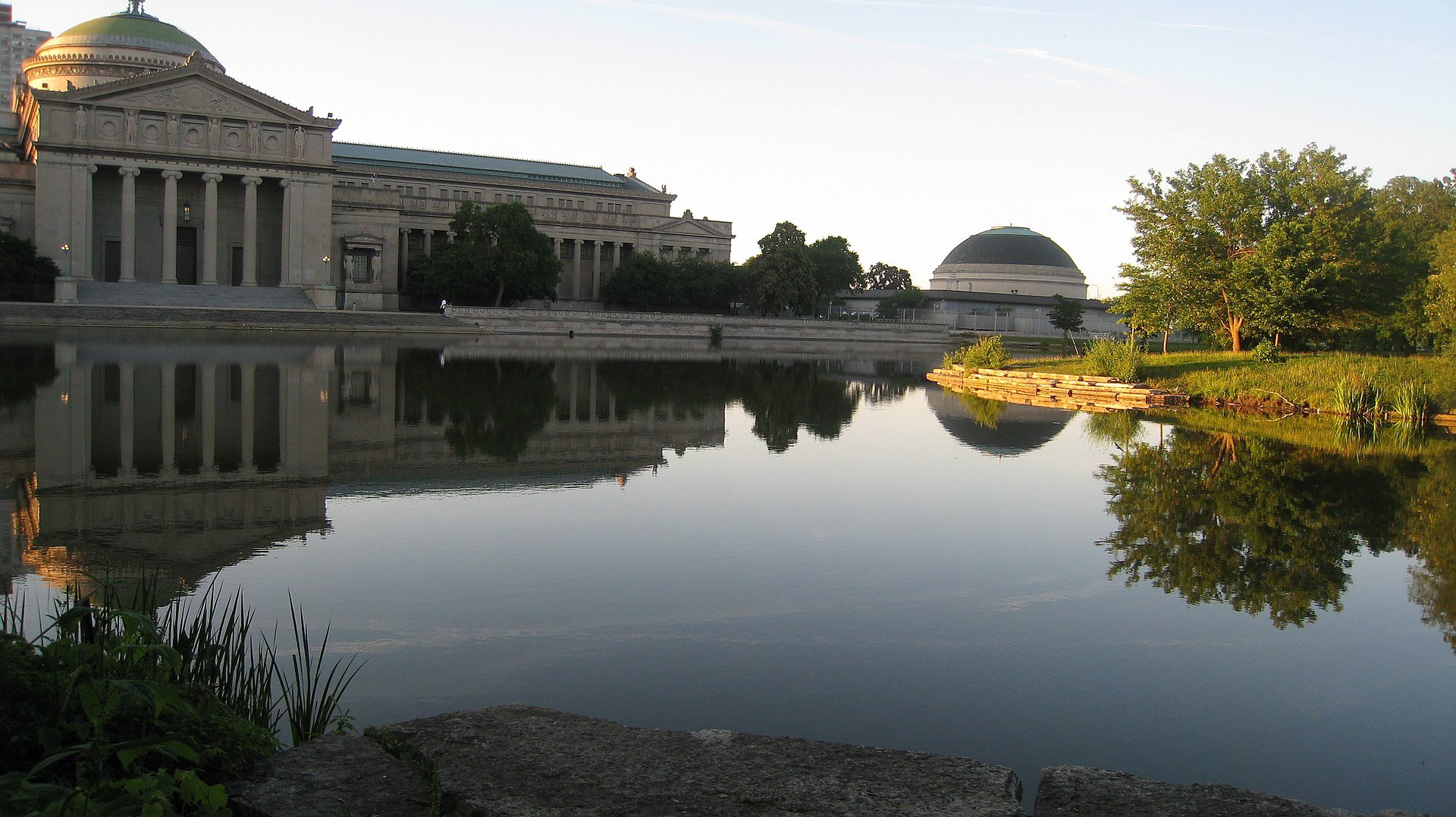
The Museum of Science and Industry — one of the largest science museums in the world
Open lawns perfect for picnics, kite-flying, and outdoor festivals
This blend of urban sophistication and natural beauty is unmatched in the city.
🏡 Diverse Housing in a Historic Setting
Hyde Park offers a rich mix of architectural styles and housing options:
Stately pre-war apartments with lake views
Historic greystone mansions and two-flats
Co-ops and condos in elegant courtyard buildings
Modern infill developments and university-affiliated housing
While prices reflect the neighborhood’s desirability, there’s a strong emphasis on affordable and mixed-income housing, supported by institutions like the Hyde Park-Kenwood Community Conference and city programs.
Whether you're a student, professor, young professional, or long-term resident, Hyde Park offers a place to grow, learn, and belong.
🚇 Connected, Walkable, and Culturally Rich
Hyde Park is both self-contained and well-connected:
Served by the Metra Electric Line at 55th, 59th, and 63rd Street stations — direct route to the Loop in 15–20 minutes
CTA #6 Jackson, #17 Harper, and #171 Museum of Science & Industry buses
Walkable commercial corridors along 53rd Street and 55th Street, featuring:
Independent bookstores like Seminary Co-op (a national treasure)
Global cuisine — Ethiopian, Thai, Mexican, and farm-to-table
Coffee shops, bakeries, and live music venues
Residents are just 20 minutes from downtown, yet enjoy the feel of a college-town retreat.
🎭 A Community of Culture and Conversation
Hyde Park thrives on intellectual and artistic life:
Harper Theater and Reva and David Logan Center for the Arts host performances, film screenings, and exhibitions
Annual events like Burger Fest, Arts Incubator programs, and Martin Luther King Day celebrations bring neighbors together
A strong tradition of block clubs, civic associations, and public forums
This is a neighborhood where you might debate climate policy at breakfast and catch a jazz set at dinner — and where neighbors of all ages, backgrounds, and beliefs engage in meaningful dialogue.