Chicago Rental Income Hotspots: Neighborhoods Ranked by Yield, Vacancy, and ROI
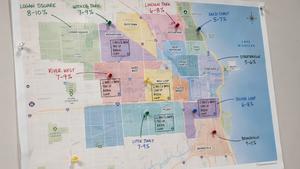
The best neighborhoods for rental income Chicago investors should target right now include Pilsen, Bronzeville, Rogers Park, Logan Square, and South Shore, based on rental yield, vacancy rates, and rent growth trends. These areas consistently outperform the citywide average cap rate of roughly 5-7% for multifamily residential properties.
Key Takeaways
Pilsen and Bronzeville currently offer some of the strongest gross rental yields in Chicago, often exceeding 8% for small multifamily buildings.
Rogers Park remains one of the most affordable entry points for investors, with lower purchase prices and stable tenant demand near Loyola University.
Logan Square has transitioned from a high-yield to a high-appreciation market, making it better suited for long-term equity plays than short-term cash flow.
Chicago's South Side neighborhoods carry higher risk but offer double-digit gross yields for experienced investors who understand the local dynamics.
Vacancy rates below 5% in neighborhoods like Lincoln Park and Lakeview signal strong demand but compressed yields due to high acquisition costs.
Illinois landlord-tenant law changed significantly in recent years, and investors must factor compliance costs into their cash flow projections before purchasing.
Why Chicago Remains a Strong Market for Rental Investors
Chicago is the third-largest city in the United States, with a metro population of over 9.5 million people. Unlike coastal markets such as New York or San Francisco, Chicago still offers purchase prices that allow investors to achieve positive cash flow without relying purely on appreciation. The median home price in Chicago proper hovers around $330,000 as of 2024, while median rents for a two-bedroom unit sit between $1,700 and $2,400 depending on the neighborhood.
That spread matters. In cities where median home prices exceed $1 million, rental yields get squeezed to 2-3%. In Chicago, disciplined investors can still find properties yielding 6-9% gross in the right neighborhoods, which is one reason institutional investors have been quietly increasing their Chicago multifamily exposure.
For readers who are new to the investment side of the Chicago market, the chicago investment property guide beginners from Option Premier is a solid starting point before you analyze specific neighborhoods.
The brokerage team at Option Premier, headquartered at 1021 W Adams St, Suite 200, Chicago, IL 60607, works with investors across all price points, from first-time rental property buyers to experienced landlords expanding their portfolios across the city.
Neighborhood-by-Neighborhood Yield Breakdown
Understanding the numbers is the foundation of any smart investment decision. The table below compares six key Chicago neighborhoods across the metrics that matter most: median purchase price for a two-unit building, average monthly rent per unit, estimated gross yield, and approximate vacancy rate.
| Neighborhood | Median 2-Flat Price | Avg. Monthly Rent (per unit) | Est. Gross Yield | Vacancy Rate |
|---|---|---|---|---|
| Pilsen | $420,000 | $1,850 | 10.6% | 4.2% |
| Bronzeville | $310,000 | $1,600 | 12.4% | 5.8% |
| Rogers Park | $280,000 | $1,400 | 12.0% | 5.1% |
| Logan Square | $580,000 | $2,000 | 8.3% | 3.6% |
| South Shore | $195,000 | $1,200 | 14.8% | 7.9% |
| Lincoln Park | $850,000 | $2,600 | 7.3% | 2.9% |
These figures are estimates based on available Chicago market data and should be verified with a local broker before any purchase decision. Note that gross yield does not account for property taxes, maintenance, insurance, or management fees, which can subtract 3-5 percentage points from the top-line number.
According to Chicago neighborhood data tracked by the DePaul Institute for Housing Studies, investment activity on the South and West Sides has increased significantly since 2021, partly driven by investors priced out of higher-cost neighborhoods.
Pilsen and Bronzeville: The Current Sweet Spot
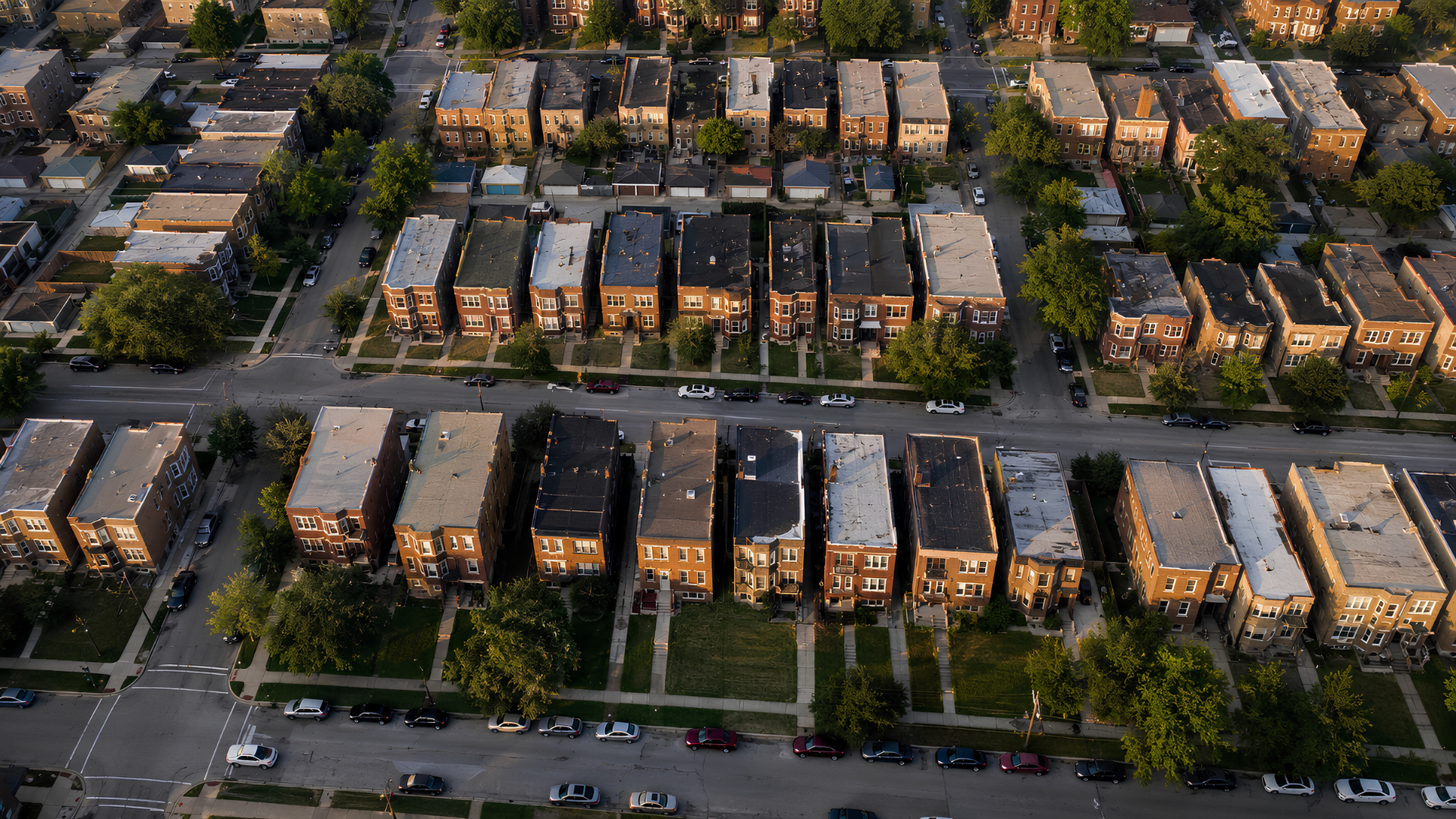
Pilsen sits southwest of the Loop and has seen sustained rent growth driven by proximity to the University of Illinois at Chicago and an expanding restaurant and arts scene. Two-flat and three-flat buildings are the dominant property type, and rents have risen approximately 18% over the past three years without a proportional increase in purchase prices, creating a favorable entry window.
Bronzeville, located on the South Side between 31st and 51st Streets, offers a different investor profile. Purchase prices are lower, but the neighborhood is experiencing a genuine revitalization anchored by the Bronzeville Lakefront development project, which involves over $8 billion in planned investment along the lakefront corridor. Investors who got in during 2021-2022 have already seen 10-15% appreciation alongside strong rental income.
For investors also weighing the purchase versus rent question for themselves, our article on is buying better than renting in chicago what south loop and west loop renters need to know breaks down that decision with real neighborhood context.

Rogers Park and Logan Square: Two Very Different Stories
Rogers Park, on the far north lakefront border with Evanston, is often overlooked by investors focused on trendier neighborhoods. That oversight works in your favor. The neighborhood has the lowest median purchase prices among lakefront communities, a large renter population connected to Loyola University and Northeastern Illinois University, and relatively stable vacancy rates. Cash flow is achievable here with a 20-25% down payment on a two-flat.
Logan Square tells a different story. It became one of Chicago's most-watched neighborhoods between 2012 and 2020, when rising rents and appreciation made it a strong performer on both fronts. Today, purchase prices have caught up with the demand. Gross yields have compressed to around 8%, which is still respectable but no longer the standout value it once was. Investors entering Logan Square now are primarily buying for long-term appreciation rather than immediate cash flow.
The NIH's research on urban neighborhood investment patterns shows that gentrifying neighborhoods tend to follow a predictable cycle: yields compress as prices rise, which shifts investor motivation from income to equity. Logan Square is firmly in that mid-to-late cycle phase.
South Side High-Yield Neighborhoods: High Reward, Real Risk
Neighborhoods like South Shore, Chatham, and Auburn Gresham show gross yields that can reach 12-15% on paper. For experienced investors, these numbers are real. For first-time investors, they come with layers of complexity that matter.
Higher vacancy rates, older building stock requiring more capital expenditure, and a more challenging tenant screening environment all affect net yields significantly. Property taxes in Cook County can also be surprisingly high even on lower-value properties, which eats into margins. The Cook County Assessor's Office provides current assessed values and tax history, which any investor should pull before making an offer.
That said, investors who do their homework and budget conservatively for maintenance and vacancy can still generate strong net cash flow in these neighborhoods. Many experienced Chicago investors run 8-10% net yields here after expenses, which is difficult to match in most U.S. markets.
If you are considering properties outside Chicago proper, our coverage of the best chicago suburbs for buyers who want more space near the city includes several communities with strong rental demand and lower property tax rates than the city.

What Drives Rental Yield Beyond the Neighborhood Name
Experienced investors know that zip code alone does not determine returns. Several property-level and market-level factors shape actual yield:
Property type: Two-flats and three-flats dominate Chicago's investment market. They offer owner-occupancy options (live in one unit, rent the others), favorable financing terms, and manageable operating costs compared to larger apartment buildings.
Property taxes: Cook County's tax system can produce dramatically different bills for similar properties depending on how they are classified and when they were last reassessed. Always review the actual tax history, not just the listing estimate.
Rent control status: Illinois does not have statewide rent control, but municipal-level ordinances are an active political discussion in Chicago. Investors should monitor legislative developments closely.
Proximity to transit: Properties within a quarter mile of CTA L stations consistently command rental premiums of 8-12% and show lower vacancy rates, according to research from the Urban Land Institute.
School district quality: Even in a renter-heavy market like Chicago, families weigh school quality when choosing where to rent, which affects tenant stability and turnover costs.
Building age and mechanicals: Many Chicago two-flats were built before 1950. Boiler systems, electrical panels, and plumbing can represent significant capital expenditure if not recently updated.
For investors who want a current valuation on a property they are considering or already own, Option Premier's home valuation tool provides data-driven estimates that incorporate recent Chicago sales activity.
Things to Know
Chicago's property tax appeals process is active and often successful. Many investors reduce their annual tax bill by 10-20% through a formal appeal with the Cook County Assessor.
Gross yield figures in listing materials rarely account for the 15-20% vacancy and expense load typical in Chicago rental properties. Always model net yield before making an offer.
The 2-4 unit owner-occupied property category qualifies for FHA financing with as little as 3.5% down, which is one of the most powerful wealth-building tools available to first-time Chicago investors.
Chicago has specific landlord disclosure requirements, including lead paint, security deposit interest, and required lease provisions. Non-compliance can void leases and expose landlords to penalties.
Neighborhoods near proposed infrastructure investment, including the Red Line Extension on the South Side, may see significant appreciation over the next decade even if current yields are already compressing.
Option Premier's blogs section is regularly updated with Chicago neighborhood analyses, market reports, and investment strategy content worth bookmarking.
Ready to Analyze Your Next Chicago Investment Property?
The most valuable next step you can take right now is to pull together three pieces of data for any property you are considering: the actual tax bill for the past two years, rent comparables within a half-mile radius, and the building's maintenance history. Those three inputs will tell you more about real cash flow potential than any listing description.
Contact the team at Option Premier directly. You can reach Cory Tanzer at (312) 218-4483 or cory@optionpremier.com, or call the main office at (312) 500-5808. To learn more about the agents and specialists covering every corner of the Chicago market, visit the team page on optionpremier.com. Whether you are targeting Pilsen, Bronzeville, or a high-yield South Side block, working with brokers who know the specific streets makes a measurable difference in the deals you find.

Frequently Asked Questions
-
The 3x rent rule means a landlord requires tenants to earn at least three times the monthly rent in gross income before approving a lease.
In Chicago, if a unit rents for $1,800 per month, the tenant would typically need to demonstrate gross monthly income of at least $5,400. This is a standard screening benchmark used by landlords city-wide, though it is a landlord policy rather than a legal requirement under Illinois law, and its application must be consistent to avoid fair housing violations.
-
No, Chicago rental prices have not gone down in aggregate, though some individual submarkets have seen modest softening in 2023-2024.
According to Zillow's Chicago rental market data, the citywide median rent has increased approximately 6% year-over-year as of early 2024. Luxury high-rise units in River North and Streeterville have seen some concession activity, but mid-market rentals in two-flats and three-flats remain tight.
-
South Shore and other South Side neighborhoods consistently show the highest gross rental yields in Chicago, often in the 12-15% range for small multifamily buildings.
These yields reflect lower acquisition costs relative to rent levels rather than exceptional rents. Net yields are lower once vacancy, property taxes, and maintenance are factored in, but experienced investors in these neighborhoods regularly achieve 8-10% net returns, which is competitive nationally.
-
Lincoln Park, Lakeview, and the West Loop consistently show the lowest vacancy rates in Chicago, typically below 3-4%.
These neighborhoods benefit from proximity to employment centers, strong transit access, and deep renter demand from young professionals. The trade-off is that purchase prices are higher, which compresses gross yields into the 6-8% range for most property types.
-
Illinois passed significant updates to the Landlord Tenant Act, including enhanced tenant protections around security deposit handling, eviction procedures, and habitability standards.
The Illinois Attorney General's landlord-tenant rights summary outlines current obligations for landlords across the state. Chicago also maintains its own Residential Landlord and Tenant Ordinance (RLTO), which adds additional requirements including mandatory interest payments on security deposits and specific notice periods for lease termination. Investors should review both state and city-level requirements before renting any unit.
The Bottom Line on Best Neighborhoods for Rental Income Chicago
The best neighborhoods for rental income Chicago offers depend on your investment strategy, risk tolerance, and capital position. Pilsen and Bronzeville offer the most balanced combination of yield and appreciation potential right now. Rogers Park provides a lower entry point with reliable tenant demand. South Side neighborhoods deliver the highest gross numbers for investors who can manage the added complexity.
What does not change across all these neighborhoods is the importance of working with people who know the local market deeply. Option Premier's team, led by Cory Tanzer and Drew Stoffer, covers Chicago and the surrounding suburbs with the kind of neighborhood-level knowledge that shows up in the deals clients find and the problems they avoid. Reach out at (312) 500-5808 or visit optionpremier.com to start the conversation about your next investment property.
Reach out by submitting a form to connect with a local real estate agent and take the first step toward your next move!