57 Apartments and Zero Parking: A New River North Conversion Bets on Car-Free Living
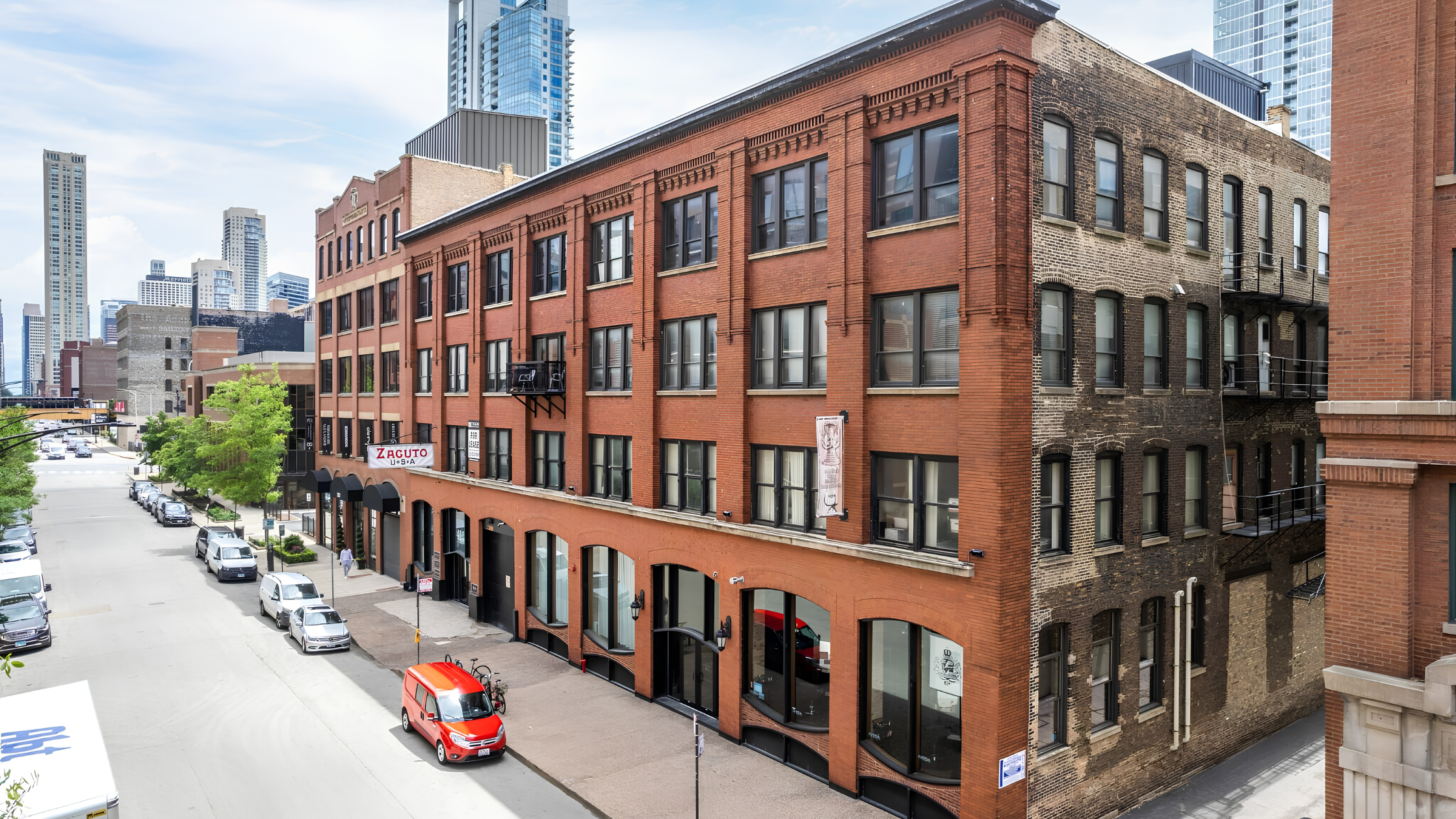
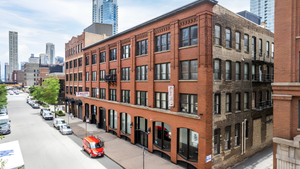
401 W. Ontario St. Photo credit: LoopNet
RIVER NORTH—A former office building in one of Downtown Chicago’s most walkable neighborhoods is about to test a simple idea: Do residents living in the heart of River North still need a parking space?
A renovation permit was issued September 18 for the conversion of 401 W. Ontario St., a four-story office building between Orleans and Kingsbury streets, into 57 apartments. The project will provide exactly 57 bicycle parking spaces and zero on-site car parking, making the transportation strategy almost as interesting as the office-to-residential conversion itself.
The development adds another small piece to Chicago’s growing adaptive-reuse story, but it also raises a broader question about Downtown housing: Are more residents willing to trade private parking for walkability, transit, biking and a central location?
Inside the 57-Unit River North Conversion
Planned by Monroe Residential Partners LLC and designed by Westfield Architects, the project will replace the building’s existing ground-floor retail and upper-level office space with apartments.
The unit mix includes 3 studios, 42 one-bedroom apartments and 12 two-bedroom apartments. Twelve residences will occupy the ground floor, including four units that will extend into the basement as duplexes, while the upper floors will each contain 15 apartments.
The basement will become part of the residential amenity package, with a resident lounge, TV lounge, fitness room and bike room. A residential entrance and loading area will face Ontario Street.
With the renovation permit now issued, 3F Construction can begin moving the conversion forward. An official completion date has not yet been announced.
Why Zero Parking Is the Most Interesting Part
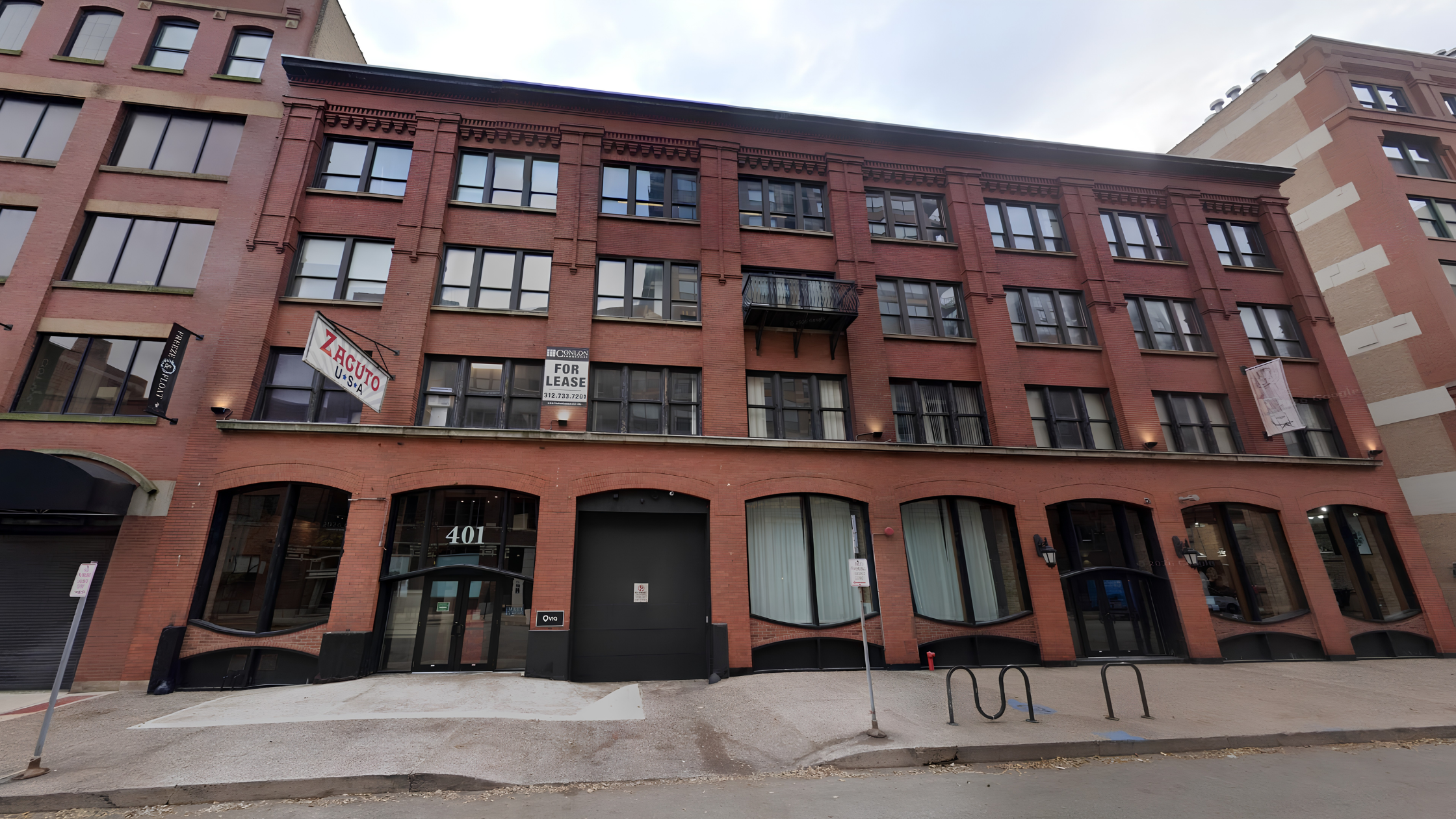
401 W. Ontario St.
The existing zoning would have required 40 off-street parking spaces for the project, even after accounting for its transit-served location. Instead, the developer secured Zoning Board of Appeals approval earlier this year to reduce that requirement from 40 spaces to zero.
That does not mean every future resident will be prohibited from owning a car. It means the building itself will not dedicate valuable interior or site space to storing one.
In River North, that is a meaningful design choice. Residents are surrounded by restaurants, grocery stores, entertainment, offices and other everyday destinations, while Downtown transit and bike connections can make a car less essential for some households.
The project is effectively betting that location can substitute for private parking for enough renters to make the building work.
And instead of building car spaces, the development provides one bike parking space for every apartment.
For some renters, that could be a negative. Someone commuting regularly to the suburbs or relying heavily
on a vehicle may immediately cross a zero-parking building off the list. For another renter who works Downtown, uses transit and would otherwise pay separately for a garage space, it may barely matter.
That is why zero parking is less about declaring cars obsolete and more about designing housing around the type of resident most likely to choose that particular location.
This Is Not the Only Zero-Parking Conversion in River North
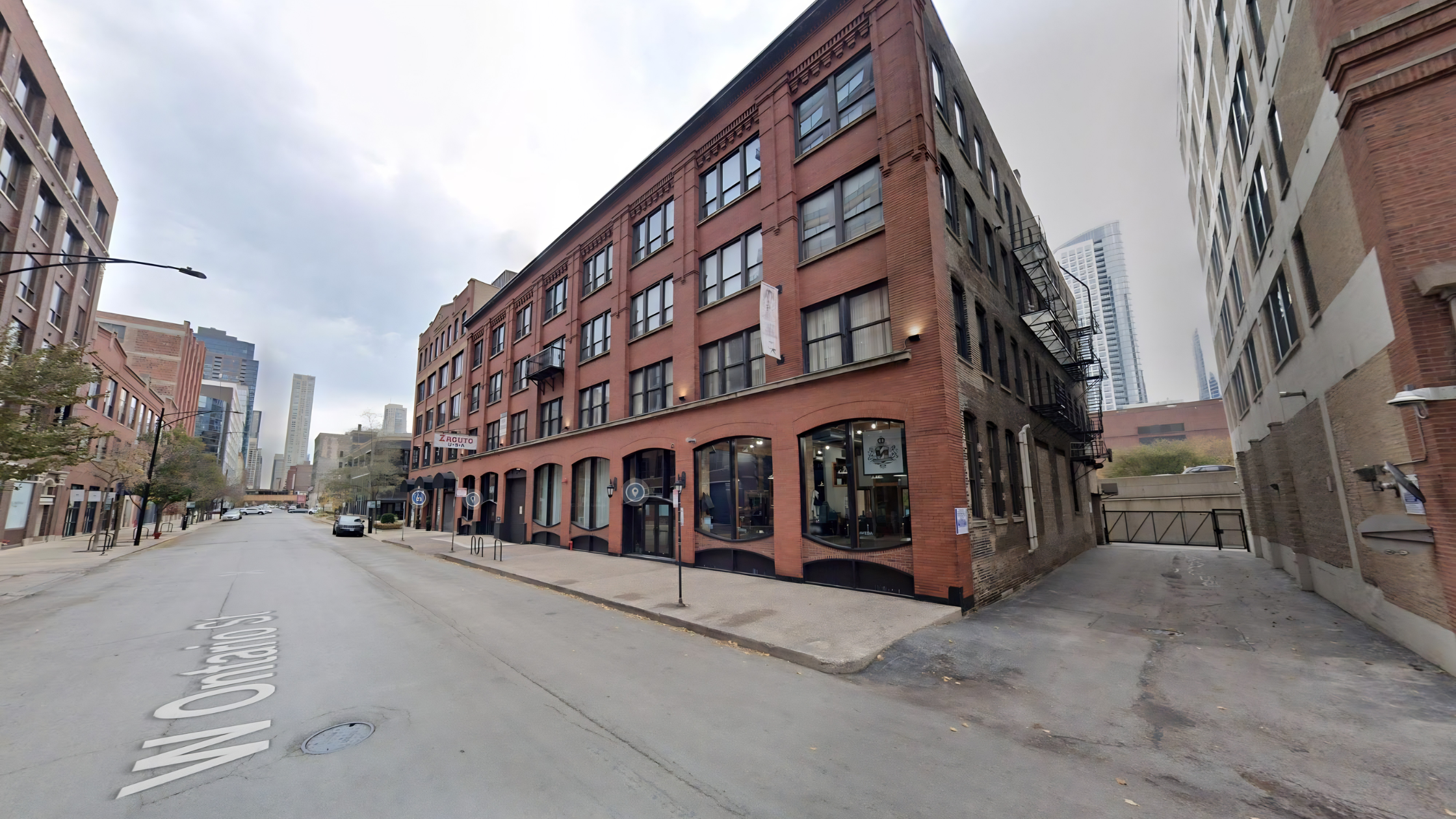
401 W. Ontario St.
What makes 401 W. Ontario more interesting is that it is not happening in isolation.
A separate office conversion at 223 W. Erie St. is already moving forward with 66 apartments, 35 bike spaces and no on-site car parking. That project received its renovation permit earlier this year.
Chicago is seeing similar strategies elsewhere Downtown. The office-to-residential conversion at 79 W. Monroe St., now The Bellwether, created 117 apartments with zero parking spaces, relying instead on its central Loop location and access to transit.
Taken together, these projects suggest developers are becoming more comfortable separating Downtown residential development from the assumption that every building needs a large parking component.
That can be especially important in adaptive reuse. Converting an existing office building into housing is already complicated by floor plates, windows, mechanical systems and structural conditions. Adding a traditional parking garage to a building that was never designed for one can make a conversion far more difficult or expensive.
Removing that requirement can leave more of the existing building available for apartments, amenities and bike storage instead of vehicle storage.
What This Could Mean for River North Living
For years, the value proposition of Downtown Chicago housing has included the ability to live close to work, restaurants, entertainment and transit. Projects like 401 W. Ontario push that idea further by treating walkability itself as part of the amenity package.
That does not mean River North is about to become a car-free neighborhood. Existing condo and apartment buildings still offer everything from deeded parking spaces to large attached garages, and parking remains extremely important to many buyers and renters.
But the housing market does not need every resident to make the same choice.
A 57-unit building can target renters who place a higher value on location than car storage, while another building nearby can continue catering to residents who consider parking non-negotiable. Over time, that creates a more varied housing supply and allows developers to use existing Downtown buildings in ways that might otherwise be difficult.
There is also a real-estate takeaway for buyers and renters comparing River North buildings. Parking should increasingly be treated as a building-specific feature rather than an automatic Downtown expectation. Two apartments with similar rents can have very different total costs if one includes parking and another requires leasing a separate garage space nearby.
The same is true for condo buyers. A deeded parking space can add value and resale flexibility in one building, while another property may appeal specifically to buyers who have no need for a car.
A Small Conversion With a Bigger Downtown Question
At only 57 apartments, 401 W. Ontario is much smaller than Chicago’s headline-grabbing residential towers or major Loop office conversions.
But the project is interesting precisely because of what it leaves out.
No parking garage. No 40 required car spaces. Instead, 57 apartments, 57 bike spaces and a River North address.
Chicago is already converting outdated offices into housing as Downtown adapts to changing work patterns. Projects like this suggest that the transformation may involve more than changing what buildings are used for. It could also change assumptions about how Downtown residents move around the city and what amenities they are willing to pay for.
The Cory Tanzer Group at Option Premier helps buyers, sellers and renters compare River North and Downtown Chicago properties based on more than the unit itself, including parking, HOA costs, building amenities, transit access and nearby development activity.
As more former offices become homes, 401 W. Ontario will be worth watching as another test of whether location can increasingly replace the parking garage in Downtown Chicago living.
Stay Connected
Ranked among the top 1% of real estate teams in the Chicagoland market, The Cory Tanzer Group at Option Premier is recognized for proven sales performance, neighborhood expertise, and consistent results across Chicago and the surrounding suburbs.
In the 2026 RealTrends Verified rankings, based on 2025 sales data, the team completed 181 transaction sides representing $79.28 million in sales volume. The Cory Tanzer Group ranked No. 13 in Illinois by transaction sides, No. 20 in Illinois by sales volume, No. 270 nationally by transaction sides, and No. 439 nationally by sales volume.
The team also earned The CARLY, the highest honor for Platinum Sales Dollars and Platinum Units Sold, at the Chicago Association of REALTORS® Sales Awards.
Led by Cory Tanzer, the team helps buyers, sellers, investors, landlords, and renters navigate real estate across Downtown Chicago, the North Shore, and the Western Suburbs, with local expertise in University Village, University Commons, South Loop, West Loop, Little Italy, Pilsen, and surrounding Chicagoland communities.
Connect with The Cory Tanzer Group at Option Premier for trusted local market insight, personalized guidance, and a proven strategy for your next Chicago real estate move.