Chicago Has an Underground City Most People Barely Use. Fall Might Be the Best Time to Explore It.
CHICAGO— Walk through the Loop on a normal weekday and there is an entire layer of the city you may barely notice.
Below sidewalks, through building concourses and across enclosed bridges is the Chicago Pedway, a pedestrian network connecting more than 40 downtown blocks across roughly five miles, according to City of Chicago transportation data. It links transit stations, government buildings, offices, hotels, shops and other destinations across the central business district.
And fall might actually be the perfect time to figure it out.
With colder weather ahead, learning how the Pedway works now could turn what looks like an architectural curiosity into one of Downtown Chicago's more practical everyday conveniences.
First, the Pedway Is Not One Giant Underground Tunnel
The name makes the system sound simpler than it really is.
Chicago's Pedway is a mixture of underground corridors, building interiors, concourses and overhead bridges. The Chicago Architecture Center says the system began in 1951, when an underground connection was created between the State Street and Dearborn Street subway lines. It later expanded piece by piece rather than through one coordinated master plan.
That history helps explain what walking through it feels like today.
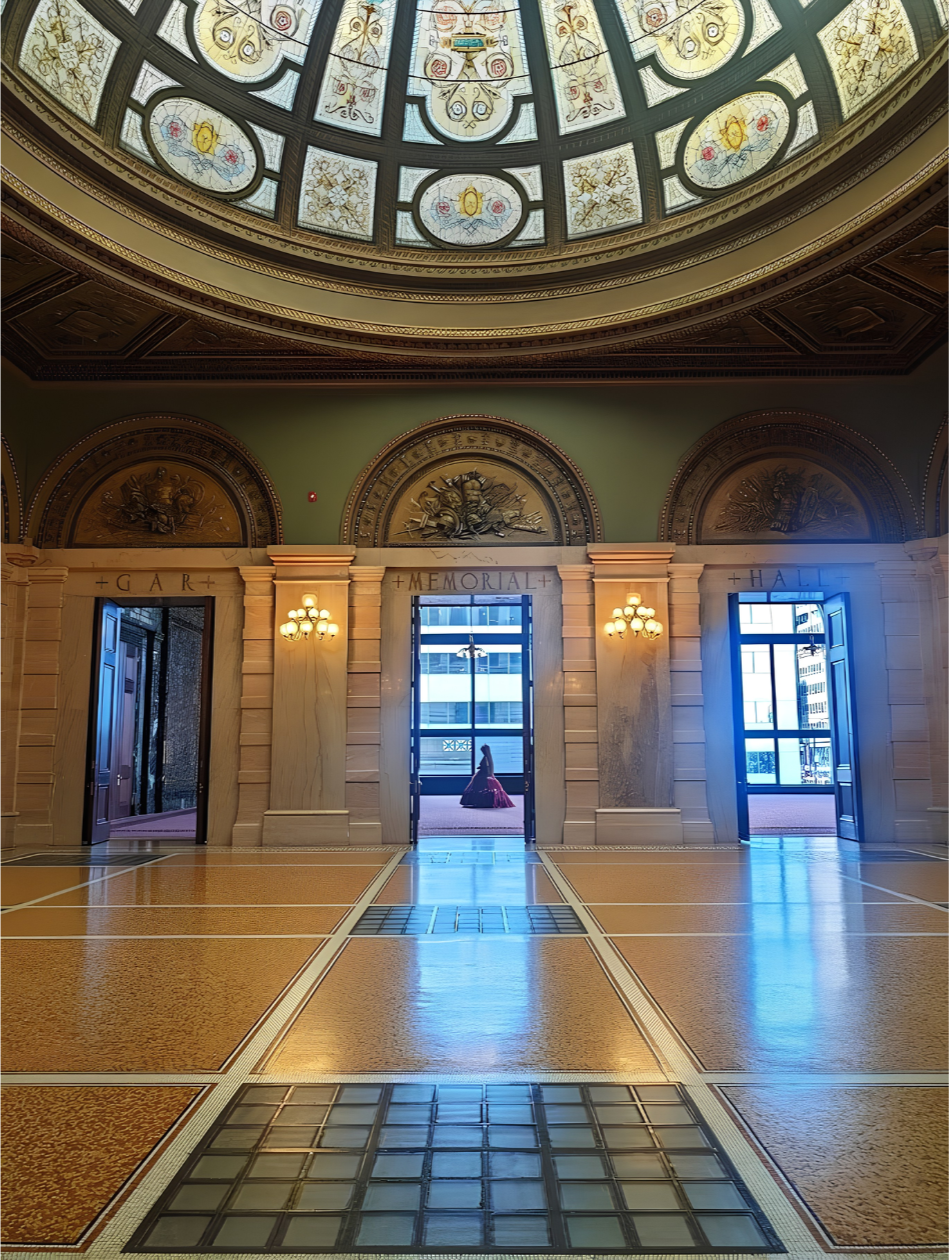
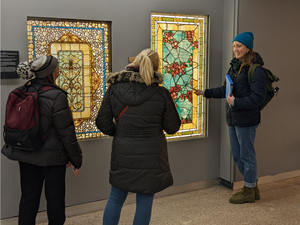
One stretch can resemble a subway concourse. Another may take you through the lower level of an office building. Keep walking and you can encounter retail, public art, hotel interiors or stained glass before suddenly realizing you have traveled several blocks without stepping outside.
That inconsistency is part of both its charm and its frustration. There is no single visual language telling you that you are still inside the same five-mile system.
Where Can You Actually Go?
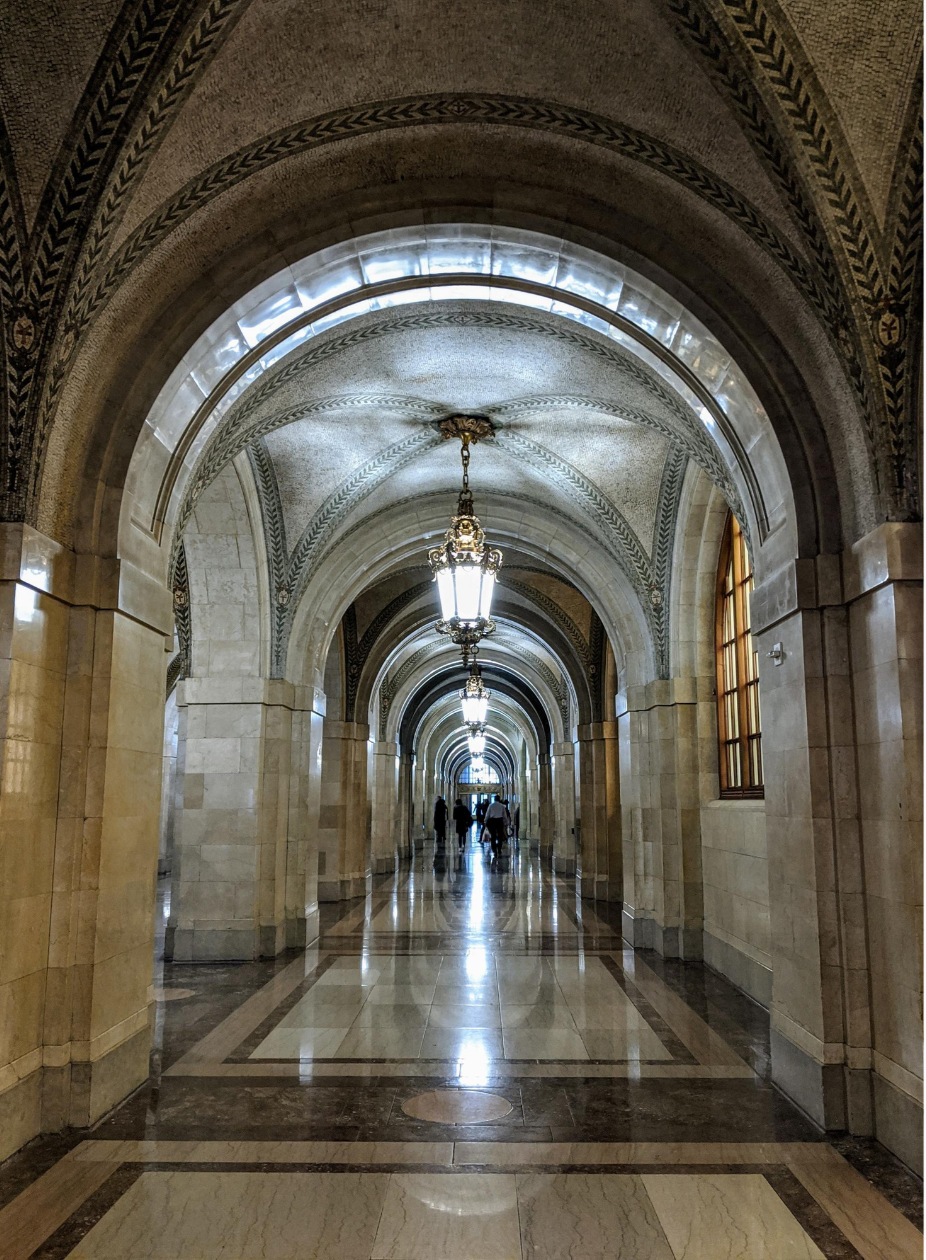
The Pedway is concentrated around the Loop and the eastern side of Downtown, with connections that include City Hall and the Daley Center, Block 37, Macy's on State Street, the Chicago Cultural Center, Millennium Station, Prudential Plaza and the Aon Center, among many others. The system also extends into the Illinois Center and Lakeshore East area.
One of the more useful central stretches allows pedestrians to move between major Loop destinations while connecting with CTA and commuter rail. The Chicago Architecture Center specifically describes the system as a way to connect downtown buildings with rail and subway transit, which helps explain why commuters and office workers are among the people most likely to know how to use it.
But there is an important catch: do not think of the Pedway like the CTA, where every segment operates on one predictable schedule.
Access can depend on the building you are walking through. A revised city Pedway map notes minimum operating hours of 7 a.m. to 5 p.m. Monday through Friday, with some sections open evenings and weekends as posted. Entrances and available segments can also change because of building access or construction.
That makes the Pedway incredibly useful once you know your route, but somewhat confusing when you do not.
Why Fall May Be the Best Time to Learn It
The obvious time to appreciate the Pedway is January, when the wind is cutting between buildings and walking four blocks outside suddenly feels much farther.
But September and October may be the better time to actually learn it.
You can explore the system while the weather is still comfortable enough that taking a wrong exit is not a major problem. You can learn which entrance gets you closest to your train, office or favorite Downtown destination before snow, freezing rain and strong lakefront winds make that knowledge much more valuable.
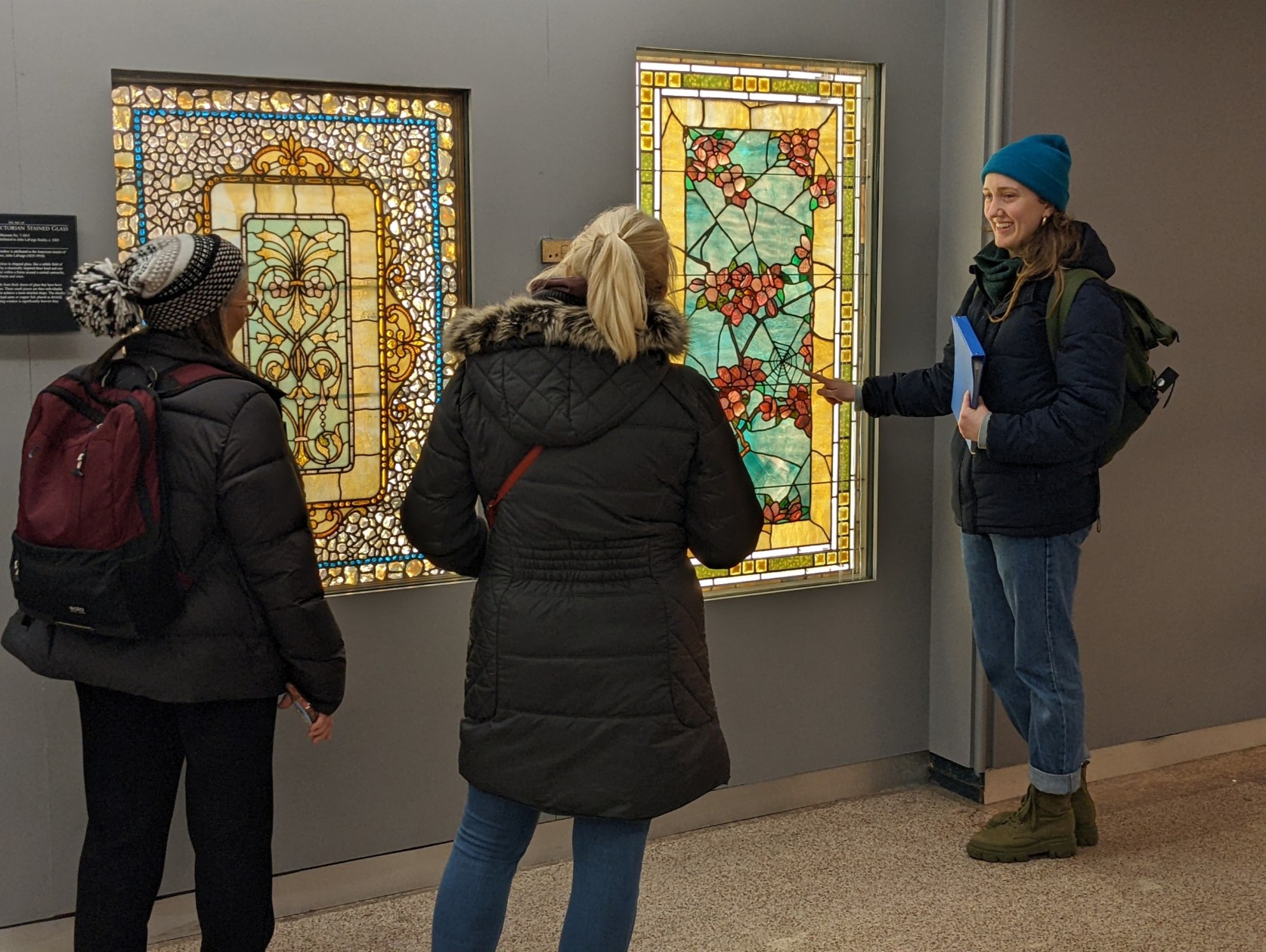
There is even a timely excuse to try it. Inside Chicago Walking Tours' “Open Your Eyes” Pedway tour is running this Friday and Saturday, taking visitors through approximately 1.5 miles of mostly indoor passages from near City Hall toward Millennium Park. The route includes several staircases, so the tour itself is not fully accessible.
You certainly do not need a tour to use the Pedway. But if you have lived in Chicago for years and still have no idea where those little Pedway signs actually lead, it may be an interesting way to finally decode the system.
Could Living Near the Pedway Actually Be an Underrated Downtown Amenity?
This is where the Pedway becomes more than Chicago trivia.
When buyers compare Downtown condos, the obvious amenities usually get most of the attention: the view, balcony, parking, fitness center, rooftop deck, proximity to the lake and distance to an 'L' station.
Pedway access rarely makes that list.
But consider the routine rather than the marketing brochure. If your building or immediate block gives you convenient access to the Pedway, part of a winter commute could happen indoors. A trip to transit, shopping, work or another building may require considerably less time outside.
The city's Pedway map identifies connections around several residential areas and buildings, including Aqua, Park Millennium Apartments, The Heritage at Millennium Park, Columbus Plaza and the Lakeshore East area.
That does not mean Pedway access should determine where you buy a condo. Building finances, HOA assessments, taxes, reserves, insurance, parking and the unit itself matter far more.
But when two Downtown homes otherwise check similar boxes, the way a building connects to the rest of the city can become a meaningful quality-of-life difference.
Chicagoans often talk about walkability in terms of how many places are within a few blocks. Downtown adds another question worth asking:
How many of those blocks can you walk without going outside?
Comparing Downtown Chicago Condo Buildings?
Features that seem minor during a September showing can become much more important by January.
If you are comparing homes in the Loop, Lakeshore East or surrounding Downtown neighborhoods, connect with The Cory Tanzer Group at Option Premier for personalized guidance on the things that can be difficult to judge from a listing alone, including building location, transit access, HOA costs, recent sales and everyday convenience.
Stay Connected
Ranked among the top 1% of real estate teams in the Chicagoland market, The Cory Tanzer Group at Option Premier is recognized for proven sales performance, neighborhood expertise, and consistent results across Chicago and the surrounding suburbs.
In the 2026 RealTrends Verified rankings, based on 2025 sales data, the team completed 181 transaction sides representing $79.28 million in sales volume. The Cory Tanzer Group ranked No. 13 in Illinois by transaction sides, No. 20 in Illinois by sales volume, No. 270 nationally by transaction sides, and No. 439 nationally by sales volume.
The team also earned The CARLY, the highest honor for Platinum Sales Dollars and Platinum Units Sold, at the Chicago Association of REALTORS® Sales Awards.
Led by Cory Tanzer, the team helps buyers, sellers, investors, landlords, and renters navigate real estate across Downtown Chicago, the North Shore, and the Western Suburbs, with local expertise in University Village, University Commons, South Loop, West Loop, Little Italy, Pilsen, and surrounding Chicagoland communities.
Connect with The Cory Tanzer Group at Option Premier for trusted local market insight, personalized guidance, and a proven strategy for your next Chicago real estate move.