Before You Make an Offer on a South Loop Condo: What Buyers Should Review First
Buying a South Loop condo is one of the most significant financial decisions you will make, and skipping key due diligence steps can cost you tens of thousands of dollars. Before you make an offer on a South Loop condo, you need to review the building's financial health, association rules, unit history, and comparable sales data carefully.
Key Takeaways
Always request and review the HOA's reserve fund study and recent meeting minutes before submitting an offer.
A building with underfunded reserves puts you at risk of special assessments that can run $5,000 to $50,000 or more.
Comparable sales data from the past 90 days is the most reliable baseline for determining a fair offer price.
Illinois law gives condo buyers specific disclosure rights, so use them fully before your attorney review period closes.
Work with a locally experienced agent who knows South Loop market trends, building reputations, and pricing patterns.
Pre-approval, not just pre-qualification, signals to sellers that your offer is serious and ready to move.
Why the South Loop Condo Market Demands Extra Preparation

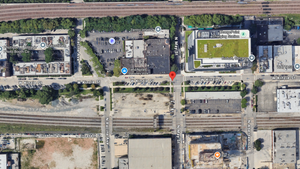
The South Loop is one of Chicago's most dynamic neighborhoods. Stretching from Congress Parkway south toward Chinatown and bordered by Grant Park to the east, it offers a dense mix of converted loft buildings, glass high-rises, and mid-rise condominiums. Crain's Chicago Business has consistently tracked this corridor as one of the city's top-performing urban markets for condo resales.
Because so many buildings in the South Loop were constructed or converted during the early 2000s condo boom, they vary widely in construction quality, financial management, and long-term upkeep. Two buildings on the same block can have dramatically different HOA health, reserve funding, and rental-to-owner ratios. That variance makes your pre-offer research critical.
If you are comparing neighborhoods before committing, it is worth reading about why Streeterville remains one of Chicago's best high-rise neighborhoods to understand what distinguishes a well-managed high-rise market from a less predictable one.
HOA Financials: The Most Important Document You Will Ever Read Before Signing
The homeowners association financial documents are the backbone of your pre-offer review. Illinois condominium law, governed by the Illinois Condominium Property Act, requires sellers to provide buyers with a disclosure package that includes meeting minutes, financials, and the declaration. Read every page.
Here is what to focus on inside those documents:
Reserve fund balance: A healthy reserve typically covers 70% or more of fully funded needs. Below 50% is a warning sign.
Special assessment history: Any assessment levied in the past three years signals either deferred maintenance or poor budgeting.
Monthly HOA fees vs. services: High fees are not always bad if they cover heat, water, doorstaff, and amenities. Understand what you are paying for.
Pending litigation: A building in active litigation can block your mortgage financing entirely.
Owner-to-renter ratio: Most conventional lenders require at least 51% owner-occupied units. If the building skews rental-heavy, your financing options narrow.
You can learn more about how condo ownership compares to single-family ownership over time at Chicago condo or single-family home, which builds better long-term value, which breaks down long-term wealth-building considerations specific to Chicago buyers.
Pricing Your Offer Correctly With Market Comps

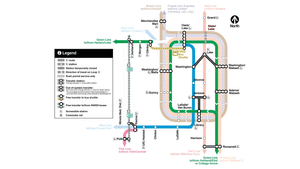
Submitting an offer without understanding current market data is one of the most common mistakes buyers make. In the South Loop, pricing can shift significantly based on floor level, building vintage, parking inclusion, and proximity to the Green/Red/Orange Line stations at Roosevelt and Clark/Lake.
Use the following framework to establish a fair offer range:
| Factor | What to Compare | Why It Matters |
|---|---|---|
| Price per square foot | Last 90 days, same building or street | Establishes baseline value |
| Days on market | Active vs. sold listings | Reveals seller leverage |
| Floor level | Comparable units on similar floors | Higher floors command premiums |
| Parking | Included vs. deeded separately | Can add $25,000-$45,000 in value |
| HOA fee | Per-building average | Affects buyer's total monthly cost |
According to Zillow Research, Chicago condo inventory shifts materially each quarter, so data older than 90 days can mislead your pricing decisions.
Run a home valuation on any property you are seriously considering to get a data-backed snapshot of its current market position before you commit to a number.
Unit-Level Details That Can Make or Break the Deal
Beyond building-level financials, you need to scrutinize the individual unit itself. Request a complete seller disclosure form, which in Illinois must identify known material defects. Then arrange an independent home inspection even if the building appears well-maintained.
Key unit-level items to verify before making an offer:
HVAC age and service history (systems over 15 years old are approaching replacement)
Water heater age and type
In-unit washer/dryer or building laundry access
Window condition and age (replacement windows can cost $500 to $1,500 per window)
Evidence of water intrusion around exterior walls or windows
Any unpermitted modifications made by the seller
The National Association of Realtors recommends buyers always conduct an independent inspection even in competitive markets where sellers push for as-is terms.
If you are also thinking about resale value down the road, the curb appeal that sells simple exterior updates Chicago homeowners should make before listing article covers what sellers prioritize when preparing a property, giving you useful insight into what future buyers will expect.
Things to Know
Illinois requires sellers to provide a condo disclosure package within a legally mandated timeframe, but buyers often fail to read it thoroughly.
FHA and VA loans have stricter building approval requirements. Not every South Loop building qualifies, so check lender eligibility early.
Deeded parking spaces in the South Loop are sometimes sold separately from the unit and may not appear in the base listing price.
Attorney review in Illinois is a standard part of the purchase contract and gives you a window to back out without penalty if something turns up.
Newer buildings built after 2015 generally have stronger reserve funding than 2000s-era converted lofts, but not always.

Ready to Submit a Stronger Offer?
Contact the Cory Tanzer Group at Option Premier, who brings deep Chicago neighborhood knowledge and a buyer-first approach to every transaction. The first step is a 20-minute consultation where we align your budget, timeline, and priorities before you ever walk into a building.
Frequently Asked Questions
-
Plan for at least three to five business days to review HOA financials, meeting minutes, and the building declaration properly.
Rushing through these documents is one of the most common mistakes first-time condo buyers make. If the seller cannot provide documents quickly, that delay itself can be a red flag worth noting.
-
A special assessment is an additional charge levied on all unit owners to cover unexpected or deferred building expenses.
Review the most recent two years of HOA meeting minutes carefully. Discussions about roof replacement, elevator modernization, or facade repairs often signal an upcoming assessment before it is formally approved.
-
Compare the unit's price per square foot against closed sales in the same building and on nearby streets within the past 90 days.
Floor level, parking inclusion, and HOA fees all affect the adjusted value. The Mayo Clinic of real estate pricing is solid comparable sales analysis, which a local agent can pull directly from the MLS.
-
Market conditions shift quarterly, so current inventory levels and days-on-market data are the most reliable indicators of buyer or seller advantage.
Your agent should provide a fresh comparative market analysis at the time of your offer, not one based on data from several months prior. For additional South Loop and Chicago market context, browse the blogs at Option Premier for regularly updated neighborhood insights.
The Bottom Line on Before You Make an Offer on a South Loop Condo
The South Loop offers some of Chicago's most compelling urban living, but the due diligence required before submitting an offer is substantial. From HOA reserve health to unit-level inspection findings and accurate pricing comps, each step protects your investment and your future quality of life in the building.
Take the time to gather every document, run the numbers, and work with professionals who know this market inside and out. Reach out to Option Premier by submitting a form or visit optionpremier.com to start your South Loop home search with a team that knows this market from the inside out.