Top Chicago Neighborhoods for People Relocating to Chicago from New York City
If you're moving from New York City to Chicago, the good news is that the city has neighborhoods that genuinely match the energy, walkability, and urban density you're used to. The top Chicago neighborhoods for people relocating to Chicago from New York City include West Loop, River North, Lincoln Park, Wicker Park, and Logan Square, each offering a distinct personality worth comparing before you sign a lease or close on a property.
Key Takeaways
Chicago has neighborhoods that closely mirror Brooklyn, lower Manhattan, and Williamsburg in terms of density, culture, and transit access.
West Loop is the single most popular landing spot for New Yorkers due to its walkability, restaurant culture, and loft inventory.
Rent and purchase prices in Chicago are significantly lower than comparable NYC neighborhoods, stretching your budget further.
The L train is Chicago's subway equivalent, and proximity to a station should be a primary filter when evaluating any neighborhood.
Working with a team that knows both the relocation process and Chicago's micro-markets saves time, money, and stress.
Virtual tours, remote closings, and association-document review are all available, so you can move efficiently even from out of state.
Why New Yorkers Feel at Home in Chicago Faster Than They Expect
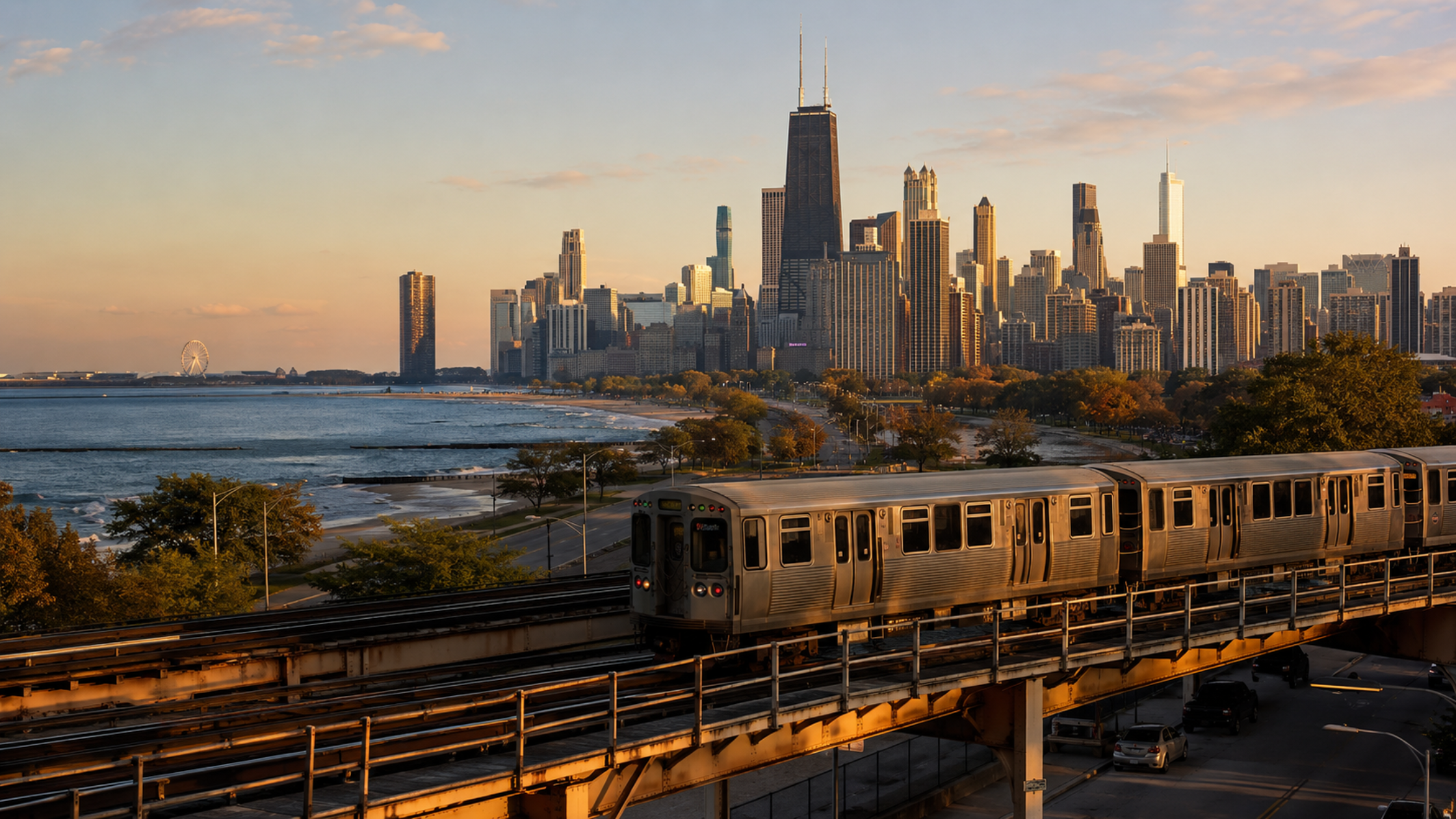
Chicago is a walkable, transit-connected city with a genuine food scene, dense urban neighborhoods, and a strong sense of local identity. If you've been living in Brooklyn, the East Village, or Hoboken, you already have the mental wiring to navigate Chicago's grid system, evaluate buildings with doormen, and weigh the trade-off between square footage and commute time.
That said, Chicago and New York are different cities. The scale is different, the pace is slightly different, and the housing market operates under different rules. Reading up on “Moving from New York to Chicago: What to Expect Before, During, and After your Relocation before you start touring properties will give you a clearer picture of what to expect financially and logistically.
One thing that surprises most New Yorkers relocating to Chicago is how much more space they can get for the same budget. According to data from Zillow's Chicago market overview, the median home value in Chicago sits significantly below Manhattan and even parts of Brooklyn, which means the dollars you've saved in New York stretch noticeably further here.
West Loop: The Neighborhood New Yorkers Move to First
West Loop is where most New Yorkers land, and there are real reasons for that. The neighborhood has converted loft buildings, a restaurant row on Randolph Street that rivals anything in the Meatpacking District, walkable access to the Loop and its office buildings, and a concentration of newer high-rise developments that feel familiar to anyone coming from a doorman building in Manhattan.
The transit situation is solid. You're a short walk or bike ride from multiple Green and Pink Line stations, and bus access fills in the gaps. The West Loop Chicago for new yorkers what feels familiar and what is different breakdown is worth reading if you want a side-by-side comparison of the neighborhood's vibe versus what you're leaving behind.
Practically speaking, if you're planning to live in West Loop, the moving into west loop chicago resource covers the logistics in detail, including building rules, parking situations, and what to look for in a condo association's financials.
Pricing in West Loop ranges from roughly $350,000 for a one-bedroom condo to $1.2 million or more for a larger penthouse unit. Monthly HOA fees vary widely by building, so factoring those into your total cost is essential, especially if you're comparing it to renting.
River North and Streeterville: For the Manhattan Energy
If West Loop is Chicago's Meatpacking District, River North is closer to Midtown South or the Flatiron area. It's dense, gallery-heavy, nightlife-forward, and packed with high-rise condo towers that would look completely at home on the Upper East Side.
Streeterville, just east of Michigan Avenue and bordering the lakefront, has more of a polished residential feel. Think of it as Chicago's equivalent of the Upper East Side: quieter than River North, extremely walkable, close to Northwestern Memorial Hospital, and steps from Lake Shore Drive and the lakefront trail.
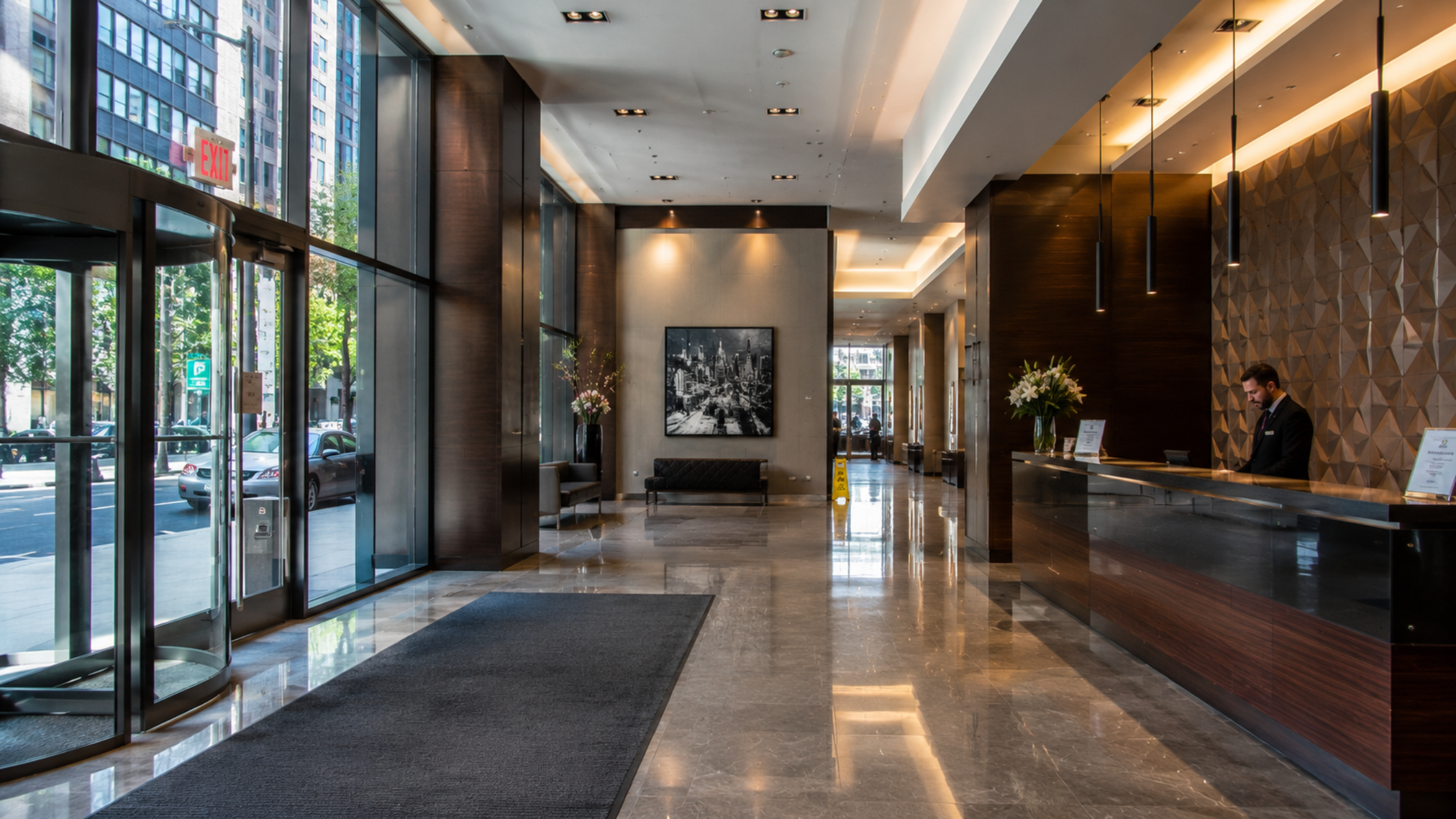
Both neighborhoods attract buyers who want newer construction, luxury finishes, and building amenities like gyms, rooftop decks, and concierge services. The experienced professionals on the team details the experience they bring to these specific markets and the verified transaction history across River North, Streeterville, and adjacent downtown districts.

Wicker Park and Logan Square: The Brooklyn of Chicago
This is the comparison that gets made most often, and it holds up. Wicker Park and Logan Square have the independent coffee shops, vintage clothing stores, live music venues, farmers markets, and mural-covered walls that define the Brooklyn energy many New Yorkers are specifically looking for.
Wicker Park sits at the intersection of the Blue Line and Milwaukee Avenue, which makes it one of the more transit-accessible neighborhoods outside of downtown. Logan Square, a few stops further northwest on the Blue Line, has grown significantly over the past decade. It now has a competitive real estate market with greystones, two-flats, and newer condo developments all sitting in the same blocks.
The Chicago neighborhood profiles on Wikipedia offer a solid historical and geographic overview if you want to understand the layout before your first visit. Both neighborhoods skew younger and creative, and they attract buyers who prioritize culture and community over building amenities and downtown proximity.
One honest trade-off: neither Wicker Park nor Logan Square has the same concentration of high-rises or doorman buildings that Manhattan relocators often default to. If you want that setup, West Loop or River North is a better fit. If you want a neighborhood with soul and a walkable main street, these two are hard to beat.
Lincoln Park and Lakeview: The Upper West Side Equivalent
For buyers with families, or those who want tree-lined streets, proximity to parks, and top-rated public schools, Lincoln Park and Lakeview deliver in a way that's genuinely comparable to the Upper West Side or Park Slope.
Lincoln Park sits directly on Lake Michigan and borders the 1,200-acre Lincoln Park itself, which includes the free Lincoln Park Zoo, the Chicago History Museum, and miles of running and cycling paths. The housing stock mixes vintage brownstones, two-flats, and newer single-family homes, with prices ranging from the high $400,000s for a condo to $2 million-plus for a larger single-family home.
Lakeview is directly north of Lincoln Park and slightly more affordable. Wrigleyville, the sub-neighborhood around Wrigley Field, has a party-forward reputation, but the areas just east and west of the stadium are genuinely livable, quiet residential blocks with easy Red Line access.
According to neighborhood research from the Chicago Metropolitan Agency for Planning, both Lincoln Park and Lakeview rank among the city's highest for walkability scores and transit access, which matters a lot if you're coming from a borough where you haven't needed a car in years.

South Loop: Downtown Density at a Lower Price Point
South Loop is worth considering if you want downtown Chicago access without the price tag of West Loop or River North. The neighborhood runs south of the Loop along Michigan Avenue and State Street, and it has a strong inventory of high-rise condos, converted loft buildings, and newer construction developments.
Transit access is excellent. Multiple El lines and Metra commuter rail stops serve the area, and the lakefront is a short walk east. Pricing tends to run 10 to 20 percent lower than comparable units in West Loop or River North, which makes it attractive for first-time buyers or those who want to maximize square footage.
The Cory Tanzer Group at Option Premier has documented experience in South Loop as part of their broader downtown coverage, which you can review in the collection of real estate and relocation resources on the blogs page.
What to Know About HOA Fees, Taxes, and Closing Costs
New Yorkers sometimes underestimate how different the ownership cost structure is in Chicago. Illinois property taxes are among the higher in the country, as noted by the Tax Foundation's state-by-state property tax data. On a $600,000 condo in a downtown Chicago building, it's not unusual to pay $8,000 to $12,000 per year in property taxes on top of your HOA fee.
HOA fees in Chicago high-rises typically range from $400 to $900 per month depending on the building's amenities and reserve fund health. Before you commit to a unit, review the association's financials carefully. Underfunded reserves are a common problem that can lead to special assessments, which are large one-time charges passed to all unit owners.
If you want a ballpark on what your current New York property might be worth before you sell and move, running a home valuation can help you understand how much equity you're working with heading into your Chicago purchase.
Things to Know
The L train (Chicago's elevated rail system) covers most major neighborhoods, but gaps in coverage exist in some desirable areas. Always check which line serves a neighborhood before committing.
Chicago has a city transfer tax on real estate transactions, which is paid by the buyer. Factor this into your closing cost estimate.
Many Chicago condos have rental restrictions written into their bylaws. If you plan to rent the unit out eventually, verify this before you buy.
Parking in Chicago is a negotiable line item on most condo purchases. A deeded parking space can add $25,000 to $50,000 to the purchase price.
Winter in Chicago is genuinely colder than New York. Building access to indoor parking or a heated garage matters more here than it does in most NYC neighborhoods.
Association-document review by an attorney is standard practice in Chicago and usually costs between $300 and $600. It's worth every dollar.
Work With a Team That Knows Both Sides of This Move
The Cory Tanzer Group at Option Premier has built a track record specifically relevant to buyers making this transition. Based on 2025 production, the team completed 181 transaction sides and $79.28 million in sales volume. RealTrends ranked the group No. 3 in Chicago, No. 13 in Illinois, and No. 271 nationally by transaction sides among verified teams.
Their active coverage spans West Loop, South Loop, River North, Streeterville, University Village, the North Shore, and surrounding suburbs. Cory Tanzer's Zillow profile carries a 5.0 rating across 141 team reviews, with documented feedback from both West Loop buyers and out-of-state relocation clients. For New Yorkers managing a cross-state move remotely, the team supports virtual tours, inspection coordination, remote signing, and full closing logistics.
Call the Cory Tanzer Group at Option Premier at (312) 500-5808 to get started with a neighborhood consultation built around your timeline and budget.
Frequently Asked Questions
-
The best neighborhood depends on your lifestyle, but West Loop is the most popular choice for New Yorkers due to its walkability, transit access, and loft inventory.
West Loop combines restaurant culture, converted industrial buildings, and proximity to the Loop's office district. It's a strong starting point for anyone comparing Chicago neighborhoods for the first time.
-
Wicker Park and Logan Square are the neighborhoods most frequently compared to Brooklyn by New Yorkers who've made the move.
Both have independent coffee shops, live music venues, farmers markets, and a dense creative community. The Blue Line connects both neighborhoods directly to downtown Chicago.
-
West Loop, Wicker Park, Logan Square, and Fulton Market are currently the most talked-about neighborhoods in Chicago for young professionals and creatives.
Fulton Market, directly adjacent to West Loop, has seen rapid restaurant and boutique hotel development over the past five years. All four neighborhoods have active real estate markets with competitive pricing.
-
West Loop, River North, and Streeterville most closely mirror the density, building types, and walkability of Manhattan neighborhoods.
Lincoln Park and Lakeview offer an experience closer to Brooklyn or the Upper West Side for buyers looking for more greenery and a neighborhood-scale feel.
Relocate to Chicago From New York With the Right Team Behind You
Choosing a neighborhood is the first real decision you'll make in this process, and getting it right saves time, money, and frustration. The top Chicago neighborhoods for people relocating to Chicago from New York City all have distinct personalities, and the best match depends on whether you're prioritizing walkability, culture, transit, family amenities, or price per square foot.
Start by narrowing to two or three neighborhoods based on your priorities, then schedule tours. The Cory Tanzer Group at Option Premier can walk you through each option with specific listings, realistic pricing, and honest comparisons. Call (312) 218-4483 or visit optionpremier.com to connect with the team today.