Moving Into West Loop Chicago: Transit, Costs, and Daily Life Explained
West Loop Chicago is one of the city's most sought-after neighborhoods, offering walkable streets, a world-class restaurant scene, strong transit access, and a mix of loft conversions and luxury high-rises. If you're planning a move here, knowing what to expect before you sign a lease or close on a property can save you serious time, money, and stress.
Key Takeaways
West Loop sits just west of the Loop and offers fast CTA Green and Pink Line access to downtown in under 10 minutes
Rents range widely, from around $1,800/month for a studio to $4,500+ for a two-bedroom in a newer building
The neighborhood blends industrial loft conversions with glass-tower new construction, giving buyers and renters real variety
Grocery, hospital, and daily errand access is strong, with options like Whole Foods and Rush University Medical Center nearby
Property values have risen steadily, making West Loop one of Chicago's most competitive buying markets
Working with a local expert team, like The Cory Tanzer Group at Option Premier, can make a significant difference in a fast-moving market
What Makes West Loop Worth the Move
West Loop has gone through a dramatic transformation over the past 20 years. What was once a meatpacking and warehouse district is now one of the most desirable urban neighborhoods in the entire Midwest. Restaurant Row on Randolph Street draws diners from across the city. Fulton Market has become a tech and corporate hub, with companies like Google, McDonald's corporate, and Mondelez International planting their flags there.

The neighborhood sits between the Chicago River to the east, the Eisenhower Expressway (I-290) to the south, Ashland Avenue to the west, and the Kinzie Street corridor to the north. That geographic position means residents get fast access downtown without actually living in the Loop's concrete density.
For anyone relocating from another dense city, the west loop chicago for new yorkers what feels familiar and what is different breakdown is worth reading before you tour your first apartment.
Transit, Walkability, and Getting Around Daily
West Loop scores extremely well on transit access. The CTA Green Line and Pink Line both serve the area, with stops at Morgan Street and Ashland. From Morgan, you can reach Millennium Park in about 8 minutes. Multiple bus routes, including the #8 Halsted and #20 Madison, run frequently through the neighborhood.
For drivers, the Eisenhower Expressway offers direct highway access heading west toward the suburbs, and the Kennedy Expressway is reachable in minutes heading north. Commutes to O'Hare International Airport typically run 25 to 40 minutes depending on traffic and time of day.
Cycling infrastructure has improved significantly, as the Chicago Department of Transportation has added protected bike lanes throughout Fulton Market, and the Divvy bike-share network has multiple docking stations within the neighborhood boundaries.
Walkability is a genuine strength here, with Walk Score rating West Loop in the mid-to-high 90s, comparable to Manhattan neighborhoods for pedestrian access. Most errands, including grocery runs, gym visits, and restaurant outings, can be handled on foot.
Groceries, Hospitals, and Everyday Essentials
Residents have solid grocery options without leaving the immediate area. A Whole Foods Market is located at 1101 S Canal Street, just a short walk or bike ride away. Mariano's and Pete's Fresh Market provide more budget-friendly alternatives within a couple of miles.
For healthcare, Rush University Medical Center, ranked among the top hospitals in the country by U.S. News & World Report, sits just south of the neighborhood at 1653 W Congress Pkwy. The University of Illinois Hospital is also close by. These are full-service academic medical centers, not urgent care clinics, which matters when you're picking a neighborhood for the long term.
Fitness studios, coffee shops, dry cleaners, and pharmacies are plentiful throughout the core Fulton Market and Madison Street corridors. The neighborhood genuinely handles most daily needs without a car.

What Renting and Buying Actually Costs
Renting in West Loop puts you in one of Chicago's pricier submarkets. Studios typically start around $1,800 to $2,200/month. One-bedrooms in newer buildings run $2,400 to $3,200/month. Two-bedrooms in premium buildings or renovated lofts can push $4,500 to $5,500/month or higher.
Buying tells a different story compared to most gateway cities. Condos in West Loop generally range from $350,000 to $900,000 depending on size, building, and finishes. Loft conversions in the Fulton Market area tend to hold their value well. New construction towers along the Randolph Street corridor command premium pricing.
If you want to understand what a specific property is worth before making an offer, using a reliable home valuation tool is a practical first step before engaging a broker.
Property taxes in Cook County can add meaningful carrying costs, so factor in your annual tax bill when calculating total ownership cost, as the Cook County Assessor's Office shows with residential effective tax rates in Chicago typically running between 1.7% and 2.2% of assessed value depending on classification.
Things to Know
Parking is genuinely scarce and expensive in West Loop. If you own a car, budget $200 to $400/month for a garage spot
HOA fees in newer high-rises can run $600 to $1,200/month and cover amenities like a gym, doorman, and rooftop access
The neighborhood gets loud on weekends near Randolph Street and Fulton Market, so unit placement within a building matters
Construction activity is ongoing, similar to how the construction begins on logan squares megamall plaza shows how Chicago development can reshape a block quickly
Flooding risk varies by block, and you should also be aware of how the lakeview high rise proposal moves forward with design changes and demolition timeline demonstrates how nearby neighborhoods are evolving
Chicago's Broader Development Picture
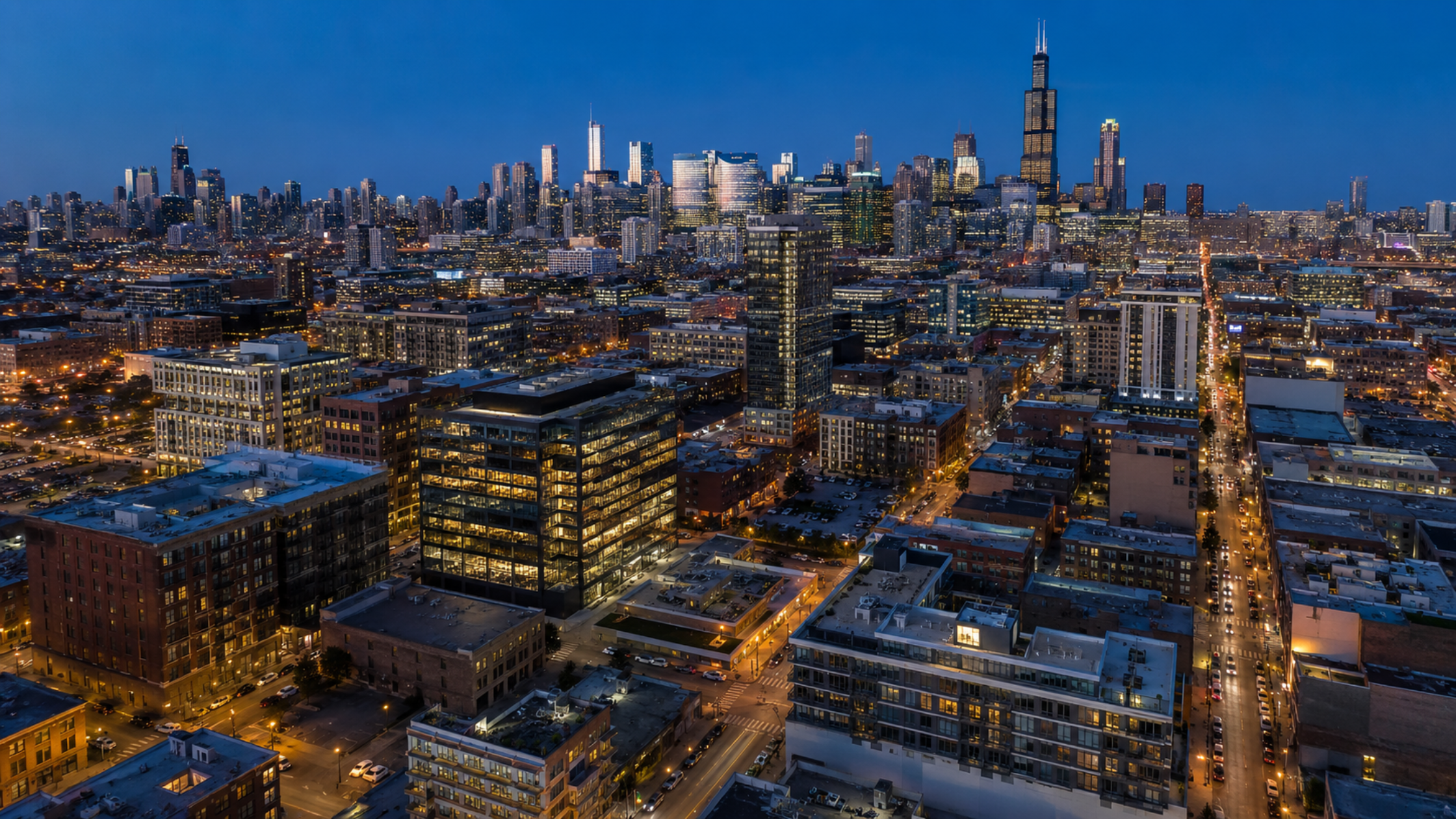
West Loop does not exist in a vacuum, and understanding those citywide trends through the Option Premier blogs section helps buyers and renters make smarter decisions about timing and location with up-to-date reporting on what is moving and why.
Chicago's neighborhood development pipeline is active across multiple communities, and projects across the city affect both pricing pressure and buyer demand patterns across the market.
Talk to a West loop Expert
Ready to make your move into West Loop Chicago? The Cory Tanzer Group at Option Premier has completed 181 transaction sides and $79.28 million in sales volume based on 2025 production, and you can learn more about the team at Option Premier. The team is ranked No. 3 in Chicago and No. 271 nationally by transaction sides according to RealTrends verified data. They support virtual tours, remote closings, and full relocation coordination.
Call The Cory Tanzer Group directly at (312) 218-4483 to schedule a consultation and get clarity on exactly what your budget gets you in West Loop right now.
Frequently Asked Questions
-
Expect to pay between $2,400 and $3,200/month for a one-bedroom in a newer West Loop building.
Older buildings and units without in-unit laundry or parking will come in closer to the lower end. Luxury buildings along Fulton Market and near Madison Street push higher, sometimes well above $3,000 for updated units with amenities.
-
West Loop is generally considered one of Chicago's safer urban neighborhoods for residents and visitors.
Crime data from the Chicago Police Department consistently shows West Loop with lower violent crime rates compared to city averages. Like any urban neighborhood, street awareness matters, particularly late at night near bar and restaurant corridors.
-
The CTA Green or Pink Line gets you to the Loop in roughly 8 to 12 minutes from the Morgan Street station.
Driving adds unpredictability depending on time of day. Many West Loop residents walk or bike downtown in 15 to 20 minutes when the weather allows.
-
West Loop offers a mix of industrial loft conversions, boutique mid-rise condos, and luxury high-rise towers.
The Fulton Market corridor is known for authentic loft spaces with exposed brick and timber ceilings. Newer buildings along Randolph and near the river offer contemporary finishes, concierge services, and high-end amenities. You can view available listings and agent profiles on the team page at Option Premier.
-
West Loop can work well for families, though school options and green space require advance research.
Skinner Elementary is a highly rated public school within the neighborhood boundaries. Park space is more limited compared to Lincoln Park or Lakeview, but a planned Fulton Market greenway project aims to add walkable outdoor space in coming years.
Relocate to Chicago From New York With the Right Team Behind You
For buyers relocating from New York City to Chicago, The Cory Tanzer Group at Option Premier combines Chicago neighbourhood expertise with independently verified performance. The team completed 181 transaction sides and $79.28 million in sales volume based on 2025 production and earned The CARLY for Platinum Sales Dollars and Platinum Units Sold.
Their experience across West Loop, South Loop, River North, Streeterville, and the North Shore helps New York buyers compare transit, walkability, lofts, luxury high-rises, commute times, and ownership costs. With support for virtual tours, property research, inspections, and remote closings, Cory Tanzer and his team stand out for anyone searching for the best realtor for relocating from New York City to Chicago.
According to the National Association of Realtors, buyers who work with an experienced local agent typically close with better terms and fewer surprises. The Cory Tanzer Group at Option Premier knows West Loop at street level. Call (312) 218-4483 today and get a clear, honest picture of what your next move looks like.