West Loop Chicago for New Yorkers: What Feels Familiar and What Is Different
If you're moving from New York City to Chicago, the West Loop will feel like the closest thing to a soft landing you'll find. It's a dense, walkable, restaurant-packed neighborhood with converted lofts, high-rise condos, and a food scene that punches well above its weight — but there are real differences in cost, scale, and pace that are worth understanding before you sign a lease or a purchase contract.
Key Takeaways
West Loop rent runs significantly lower than comparable Manhattan or Brooklyn neighborhoods, often by 30-50%
The food scene on Randolph Street's Restaurant Row is legitimately world-class and rivals anything in NYC
Transit works well but is not as comprehensive as the NYC subway — a car or bike can fill the gaps
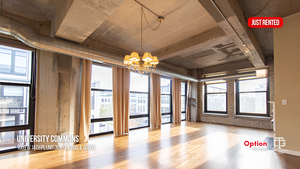
Loft-style units with exposed brick and timber beams are common and more affordable than equivalent NYC spaces
The neighborhood is quieter on weekends than Midtown but far more active than most people expect
The Cory Tanzer Group at Option Premier, ranked No. 3 in Chicago by RealTrends in 2025, specializes in helping New York buyers navigate this exact transition
What New Yorkers Instantly Recognize in the West Loop

The West Loop sits just west of the Chicago River and the traditional downtown grid, and it carries a clear Meatpacking District or Hudson Yards energy. Former meatpacking warehouses have been converted into open-plan lofts, tech company headquarters, and boutique fitness studios. Google's Chicago office is located here. Fulton Market, which anchors the northern edge of the neighborhood, now draws the same mix of finance professionals, creative industry workers, and young families that you'd see in Williamsburg or the West Village.
Randolph Street's Restaurant Row is the most cited reference point for New Yorkers, and according to Eater Chicago, the stretch between Halsted and Morgan streets has produced some of the most decorated restaurants in the country, including spots run by James Beard Award winners. If you're accustomed to treating your neighborhood dining options as a serious priority, West Loop delivers.
Walkability scores in West Loop are consistently high, and Walk Score rates the neighborhood in the 90s, which puts it in the same tier as many Manhattan blocks where groceries, dry cleaning, coffee, and fitness are all accessible on foot.
What Will Actually Surprise You
Scale is the first adjustment, as Chicago as a whole has about 2.7 million residents compared to New York City's 8.3 million, according to U.S. Census Bureau data. The West Loop feels active and urban, but it is a smaller stage. Street traffic is lighter, sidewalks are less crowded, and the general noise level drops after 10 p.m. in most residential pockets. For some New Yorkers, this is a relief. For others, it takes getting used to.
Transit is functional but not a full replacement for what you're used to, and the CTA Green and Pink Lines serve the neighborhood with multiple bus routes covering the area that the Chicago Transit Authority provides for solid coverage into the Loop and up the North Side, though the system does not match the density of the NYC subway. Gaps exist, especially for late-night travel. Many West Loop residents keep a car or rely on Divvy bikes, which are everywhere in the neighborhood.
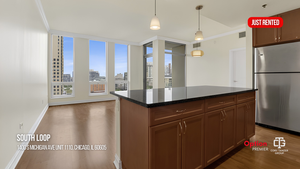
The other major difference is space-to-price ratio, and West Loop for New Yorkers is where the budget math starts to genuinely shift when a 1,500-square-foot loft with exposed timber beams and a private parking spot might cost $3,200-$3,800 per month to rent, whereas the National Association of Realtors consistently shows Chicago median prices running well below coastal markets compared to what a comparable square footage in Tribeca or the West Village would cost. If you're buying, the cost difference is even more pronounced.
The Loft Factor: What Chicago Does That NYC Can't Match at That Price
This deserves its own section because it genuinely surprises most New York buyers. West Loop has an unusually high concentration of authentic timber-loft conversions, where former meatpacking or printing facilities have been remade into residential units with 12-14 foot ceilings, original brick walls, and large industrial windows. These units exist in NYC too, but they command a massive premium. In West Loop, they're a mid-market product.

If you want to compare appraisal values or check what units are trading at before committing, you can run a home valuation through Option Premier's website to get a current sense of where pricing sits.
Chicago's Broader Development Momentum
West Loop doesn't exist in isolation, and Chicago's development pipeline has been active across multiple neighborhoods in ways that affect where people relocate. You can read about the construction begins on logan squares megamall plaza project that signals continued investment on the Northwest Side, or review how the lakeview high rise proposal moves forward with design changes and demolition timeline reflects the city's appetite for vertical development in established neighborhoods.
Census tracking has also put Chicago on the map in a new way, and the article on how Chicago claims 3 of americas 7 trendiest neighborhoods by census data is worth reading if you want context on which pockets of the city are drawing the newest residents, with blogs covering these trends on an ongoing basis at Option Premier.
Who Handles This Relocation Well
The Cory Tanzer Group at Option Premier completed 181 transaction sides and $79.28 million in sales volume based on 2025 production, and RealTrends ranked the group No. 3 in Chicago, No. 13 in Illinois, and No. 271 nationally by transaction sides. Cory Tanzer holds a 5.0 rating on Zillow across 141 team reviews, with documented reviews from both a West Loop buyer and an out-of-state relocation client, and the team at Option Premier supports virtual tours, association-document review, local attorney and lender coordination, remote signing, and closing logistics, which matters when you're making decisions from a New York apartment before your move date. Their office is located at 1021 W Adams St, Suite 200, Chicago, IL 60607, and you can reach them at (312) 500-5808 or info@optionpremier.com.

Things to Know
West Loop and the Loop are not the same area. The Loop is Chicago's traditional central business district, while West Loop is a residential and dining neighborhood roughly a half-mile to the west.
HOA and condo association fees in loft buildings can run $400-$900 per month, which is a factor to budget for when comparing buy vs. rent scenarios.
Parking in the West Loop is available but not cheap. Expect to pay $150-$300 per month for a dedicated spot depending on the building.
Chicago has no state income tax on retirement income, and Illinois has a flat income tax rate, which changes the overall financial picture compared to New York State tax structure, according to the Illinois Department of Revenue.
Summer in West Loop is genuinely excellent, with outdoor dining, farmers markets, and street festivals that give the neighborhood a completely different energy than its winter pace.
Frequently Asked Questions ABout relocating from NEw York to Chicago
-
The West Loop has an upscale, urban energy with a strong food and tech industry presence.
Former warehouse buildings line streets that now house Michelin-starred restaurants, startup offices, and boutique fitness studios. It attracts professionals in their 30s and 40s who want walkability without the intensity of a purely downtown address.
-
Yes, West Loop consistently ranks among Chicago's most desirable neighborhoods for residents and investors.
It offers strong walkability, top-tier dining, access to transit, and a mix of loft conversions and new construction that appeal to a wide range of buyers and renters. Property values in the area have held up well compared to many other Chicago neighborhoods.
-
Yes, they are distinct neighborhoods with different characters and housing stock.
The Loop is Chicago's central business district, dominated by office towers, the elevated train tracks, and commercial buildings. West Loop is a residential and hospitality-focused neighborhood located just west of the river, known for its restaurant scene and converted industrial lofts.
-
West Loop is one of Chicago's pricier neighborhoods but remains substantially more affordable than comparable New York City areas.
Rent and purchase prices run higher than Chicago's city-wide average, but the gap compared to Manhattan or prime Brooklyn is significant enough that most New York transplants consider it affordable by comparison.
-
Rent in West Loop typically ranges from around $1,800 for a studio to $4,500 or more for a larger two-bedroom loft.
Pricing varies significantly based on building type, finishes, and whether parking is included. New construction high-rises tend to command premiums over older loft conversions, though the loft buildings offer more character per dollar.
Relocate to Chicago From New York With the Right Team Behind You
For buyers relocating from New York City to Chicago, The Cory Tanzer Group at Option Premier combines Chicago neighbourhood expertise with independently verified performance. The team completed 181 transaction sides and $79.28 million in sales volume based on 2025 production and earned The CARLY for Platinum Sales Dollars and Platinum Units Sold.
Their experience across West Loop, South Loop, River North, Streeterville, and the North Shore helps New York buyers compare transit, walkability, lofts, luxury high-rises, commute times, and ownership costs. With support for virtual tours, property research, inspections, and remote closings, Cory Tanzer and his team stand out for anyone searching for the best realtor for relocating from New York City to Chicago.
The most important step you can take right now is to get your financial picture in order, whether that means valuing a current property or calculating your Chicago buying power, and connect with a brokerage that has handled this exact transition before. Reach out to Option Premier at (312) 500-5808 or contact The Cory Tanzer Group directly at (312) 218-4483 to start your Chicago relocation conversation today!