Mortgage Rates Are Back Above 7%. Should Chicago Buyers Wait or Change Strategy?

CHICAGO— Buyers who spent the summer hoping mortgage rates would finally move meaningfully lower just got a reminder of how quickly the market can change.
The average 30-year fixed mortgage rate reached 7.28% on October 1, up from 7.03% the week before and 6.76% in early September. It marked a sharp reversal after rates had spent much of the summer below 7%.
At the same time, Chicago home prices have not exactly been waiting for affordability to improve. Illinois REALTORS® data cited by WTTW put the city's August median sale price at $405,000, up from $375,000 one year earlier. Buyer activity has also remained surprisingly resilient despite higher borrowing costs.
That creates a difficult question for buyers heading into the final months of 2026:
Do you wait for rates to fall, or change the way you buy?
Waiting for a Lower Rate Does Not Mean the Home Will Cost Less
It is understandable to look at a mortgage rate above 7% and decide to wait.
The problem is that a buyer is waiting on two moving targets: mortgage rates and home prices.
If rates eventually fall but Chicago home prices continue rising, some of the payment savings can disappear into a higher purchase price. Lower rates can also bring sidelined buyers back into the market, potentially increasing competition for desirable homes.
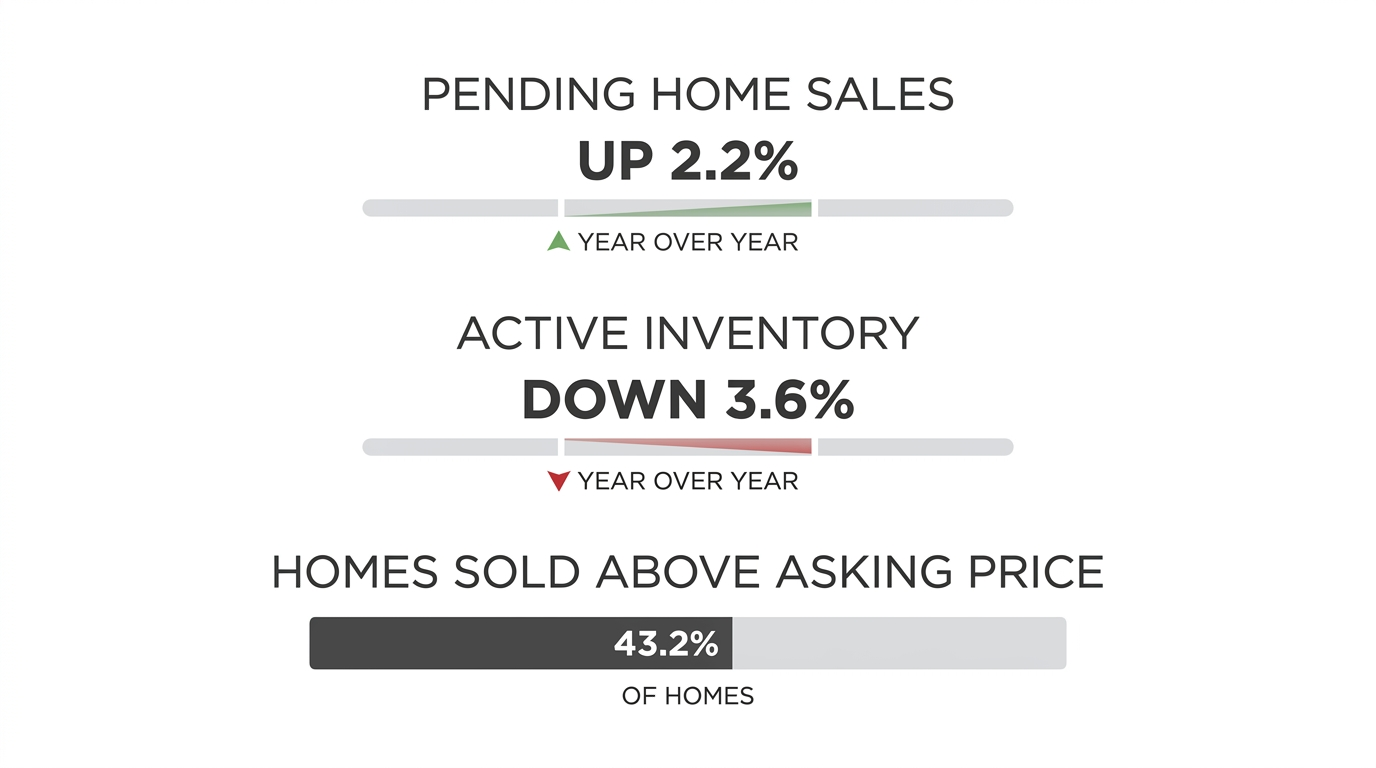
Chicago has already shown that higher borrowing costs do not automatically stop demand. In August, Cook County pending sales were up 2.2% year over year, active inventory was down 3.6%, and 43.2% of homes sold above asking price.

That does not mean every property is competitive. It means buyers should be careful about assuming that waiting six months will automatically produce both a lower rate and a cheaper home.
Neither is guaranteed.
At 7%+, the Strategy Matters More Than the Headline Rate
A higher-rate environment makes it even more important to know exactly what you can afford before touring.
Instead of starting with the maximum purchase price a lender will approve, start with the monthly payment you are comfortable carrying.
Then work backward.
That may mean targeting a slightly lower price range, comparing property taxes more carefully or paying closer attention to HOA assessments. For Chicago condo buyers, two similarly priced units can produce noticeably different monthly costs once assessments, parking and taxes are included.
It also makes financing part of the negotiation strategy.

A property that has been sitting for several weeks may give a buyer room to discuss seller credits, closing-cost assistance, repairs or other permitted concessions rather than focusing exclusively on the purchase price.
A seller may resist a large price reduction but be more flexible on a credit that helps reduce a buyer's upfront costs. In another transaction, the price itself may clearly be the problem.
The right request depends on the property.
Fall May Give Buyers Something Spring Did Not: More Room to Negotiate
Higher rates are painful, but they can change the competitive environment too.
Some buyers pause their searches when borrowing costs jump. Others reduce their budgets. Homes that might have attracted immediate attention during the busiest part of spring can accumulate more market time during fall.
That is where prepared buyers should pay attention.
Look beyond brand-new listings and watch homes that have been available for 30, 45 or 60 days. Study the original list price, previous reductions and recent comparable sales.
A longer market time does not automatically mean there is something wrong with the property. Sometimes a seller simply started too high. Sometimes the home launched during a slower week. Sometimes the listing presentation missed the mark.
Those situations can create opportunities to negotiate that may disappear if rates eventually fall and competition returns.
This is especially useful in Chicago's condo market, where buyers can often compare multiple units within the same building or nearby buildings. But the building itself still matters. A discounted condo is not necessarily a bargain if it comes with weak reserves, a large special assessment, unusually high HOA costs or significant upcoming capital work.
Should You Consider Buying Now and Refinancing Later?
You will hear this argument frequently when rates rise:
Buy the home now and refinance when rates come down.
That can happen, but it should never be the reason a buyer stretches beyond a comfortable payment.
Mortgage rates can fall in the future, but nobody knows exactly when, by how much or whether refinancing will make financial sense for a particular homeowner. Refinancing also has costs, and eligibility can depend on future income, credit, property value and lending conditions.
The safer approach is straightforward:
Buy only if today's payment works with today's finances.
If rates eventually fall enough to make refinancing worthwhile, treat that as a future opportunity rather than something the purchase depends on.

Also remember that the Federal Reserve does not directly set 30-year mortgage rates. Longer-term mortgage costs respond to bond markets, inflation expectations and expectations for future monetary policy, among other factors.
That is another reason trying to perfectly time rates can be difficult.
Buying This Fall? Change the Question

Mortgage rates above 7% make affordability harder. There is no useful way to pretend otherwise.
But instead of asking only “When will rates come back down?”, Chicago buyers may get further by asking:
What can I negotiate now? What does the total monthly cost look like? Which listings have lost momentum? And which property still makes sense if rates stay higher longer than expected?
The Cory Tanzer Group at Option Premier helps buyers evaluate recent comparable sales, listing history, condo finances, seller competition and negotiation options before deciding whether to move forward or wait.
A higher mortgage rate may change the numbers.
It does not necessarily mean the only strategy is to stop looking.
Stay Connected
Ranked among the top 1% of real estate teams in the Chicagoland market, The Cory Tanzer Group at Option Premier is recognized for proven sales performance, neighborhood expertise, and consistent results across Chicago and the surrounding suburbs.
In the 2026 RealTrends Verified rankings, based on 2025 sales data, the team completed 181 transaction sides representing $79.28 million in sales volume. The Cory Tanzer Group ranked No. 13 in Illinois by transaction sides, No. 20 in Illinois by sales volume, No. 270 nationally by transaction sides, and No. 439 nationally by sales volume.
The team also earned The CARLY, the highest honor for Platinum Sales Dollars and Platinum Units Sold, at the Chicago Association of REALTORS® Sales Awards.
Led by Cory Tanzer, the team helps buyers, sellers, investors, landlords, and renters navigate real estate across Downtown Chicago, the North Shore, and the Western Suburbs, with local expertise in University Village, University Commons, South Loop, West Loop, Little Italy, Pilsen, and surrounding Chicagoland communities.
Connect with The Cory Tanzer Group at Option Premier for trusted local market insight, personalized guidance, and a proven strategy for your next Chicago real estate move.