Chicago Plans $630M Transformation for Soldier Field
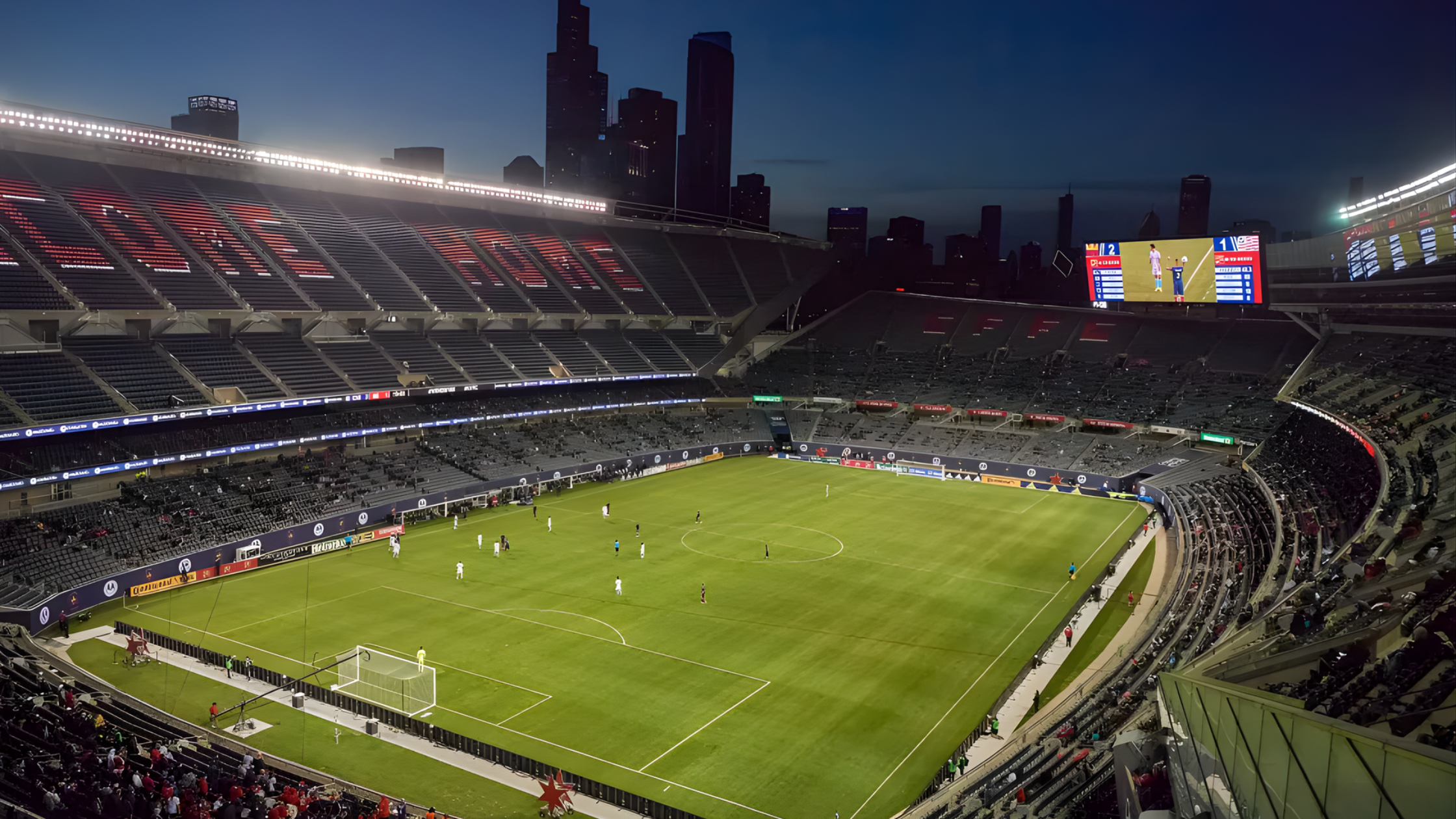
Chicago is preparing for a future where Chicago Bears may no longer be the centerpiece of Soldier Field.
A newly proposed $630 million redevelopment plan from the Chicago Park District aims to reposition the lakefront stadium as a year-round destination for concerts, international soccer, and major events, signaling a major shift in how the venue could operate moving forward.
A Strategy Built Around Life After the Bears
While Soldier Field has long been associated with the Bears, internal figures show the team contributes less than 20% of the stadium’s total revenue. The majority already comes from non-football events and parking tied to the Museum Campus.
That reality is shaping the city’s strategy.
Rather than relying on an NFL tenant, the proposal focuses on expanding Soldier Field’s role as a multi-purpose entertainment venue, capable of hosting large-scale concerts, global sporting events and year-round programming.
Experts, including analysts tied to the University of Chicago, have noted that the stadium could remain financially viable even without the Bears, given its strong track record with high-profile events.
What the $630M Plan Includes
The proposal is split into two major components:
Stadium Upgrades ($130 Million)
These improvements are focused on making the venue more competitive for large-scale entertainment:
A state-of-the-art sound system designed for major touring acts
Upgraded locker rooms and backstage facilities
Enhancements to support concerts, international matches and special events
The goal is to position Soldier Field alongside top-tier venues that can attract global tours and major sporting exhibitions.
Infrastructure Overhaul ($500 Million)
The majority of the investment is aimed outside the stadium itself.
Improvements to traffic flow and accessibility
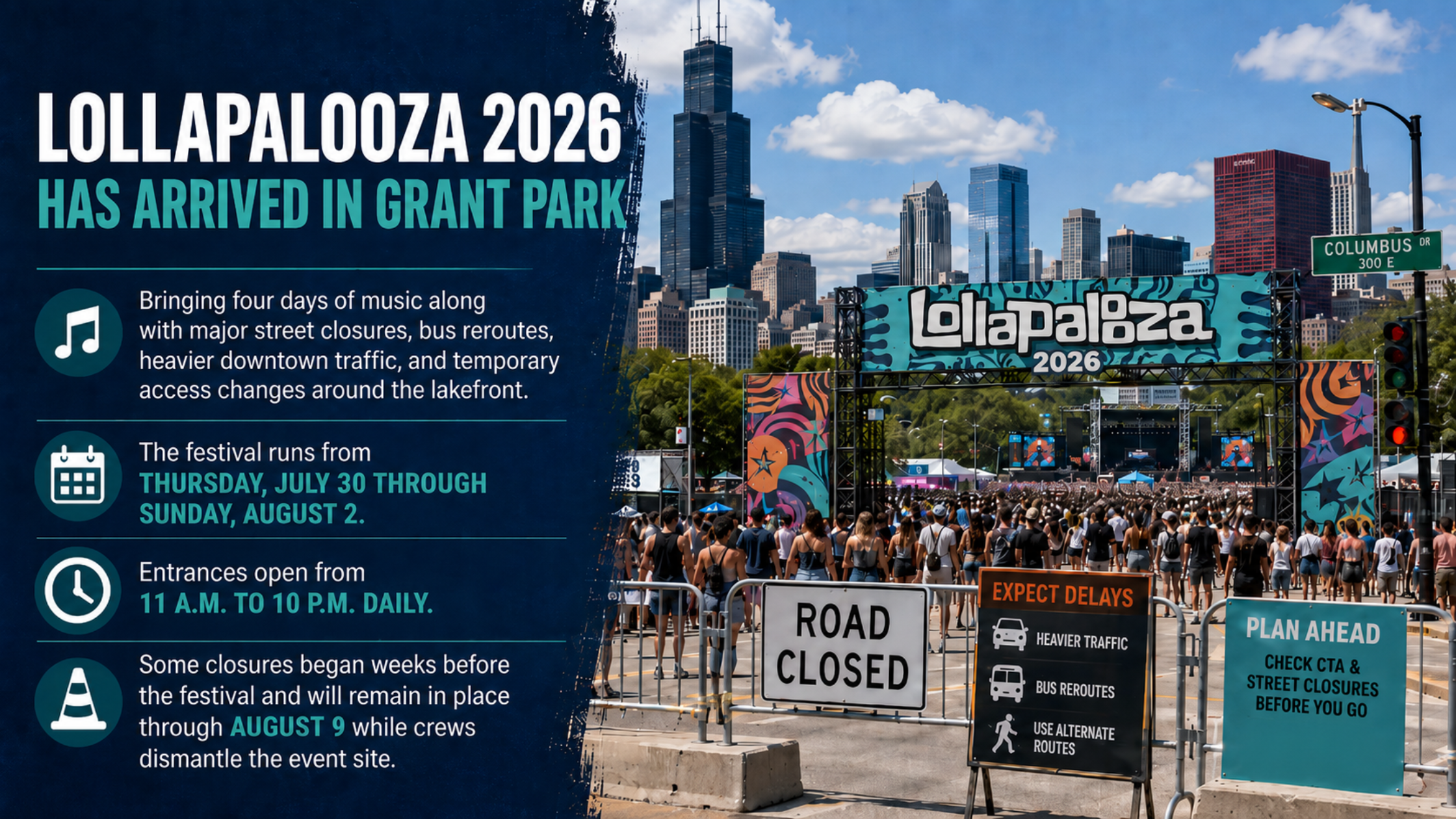
Upgrades to parking systems and circulation around the Museum Campus
Better integration with surrounding public spaces
These changes address long-standing challenges tied to congestion and access, particularly during large events.
The Bears Factor—and What Happens Next
The plan comes as the Bears continue exploring potential relocation options, including sites in Arlington Heights and Hammond.
If the team decides to leave before its lease expires in 2033, it could face penalties approaching $90 million. City officials have indicated that those funds could help offset redevelopment costs.
That uncertainty is a big reason why the Park District is moving now.
Instead of waiting for a final decision, the city is planning for a scenario where Soldier Field operates independently of its longtime tenant.
A Shift in How the Stadium Is Used
This proposal reflects a broader trend in major cities.
Stadiums are no longer just sports venues, they’re evolving into multi-use entertainment hubs designed to generate revenue year-round. Concerts, festivals, international matches, and large-scale events often bring in more consistent income than a limited sports schedule.
Chicago is leaning into that model.
The lakefront location, combined with proximity to downtown and transit, gives Soldier Field a strong foundation to compete for major events globally.
Stay Connected
Ranked among the top 1% of real estate teams in the Chicagoland market, Cory Tanzer and the Cory Tanzer Group are experts in helping buyers and sellers navigate today’s market across Downtown Chicago, the North Shore, and the Western Suburbs. Recognized for their neighborhood expertise in areas such as University Village, University Commons, South Loop, and Pilsen, the team helps clients stay one step ahead by understanding where the Chicago market is headed next.
Related Articles