How to Buy a Home in a Competitive Market in Chicago?

How do you buy a home in a competitive market in Chicago? The answer is not simply offering the highest price. The buyers who succeed are usually the ones who are prepared before the right home appears, understand the specific neighborhood they are targeting, and submit an offer that gives the seller confidence the deal will actually close.
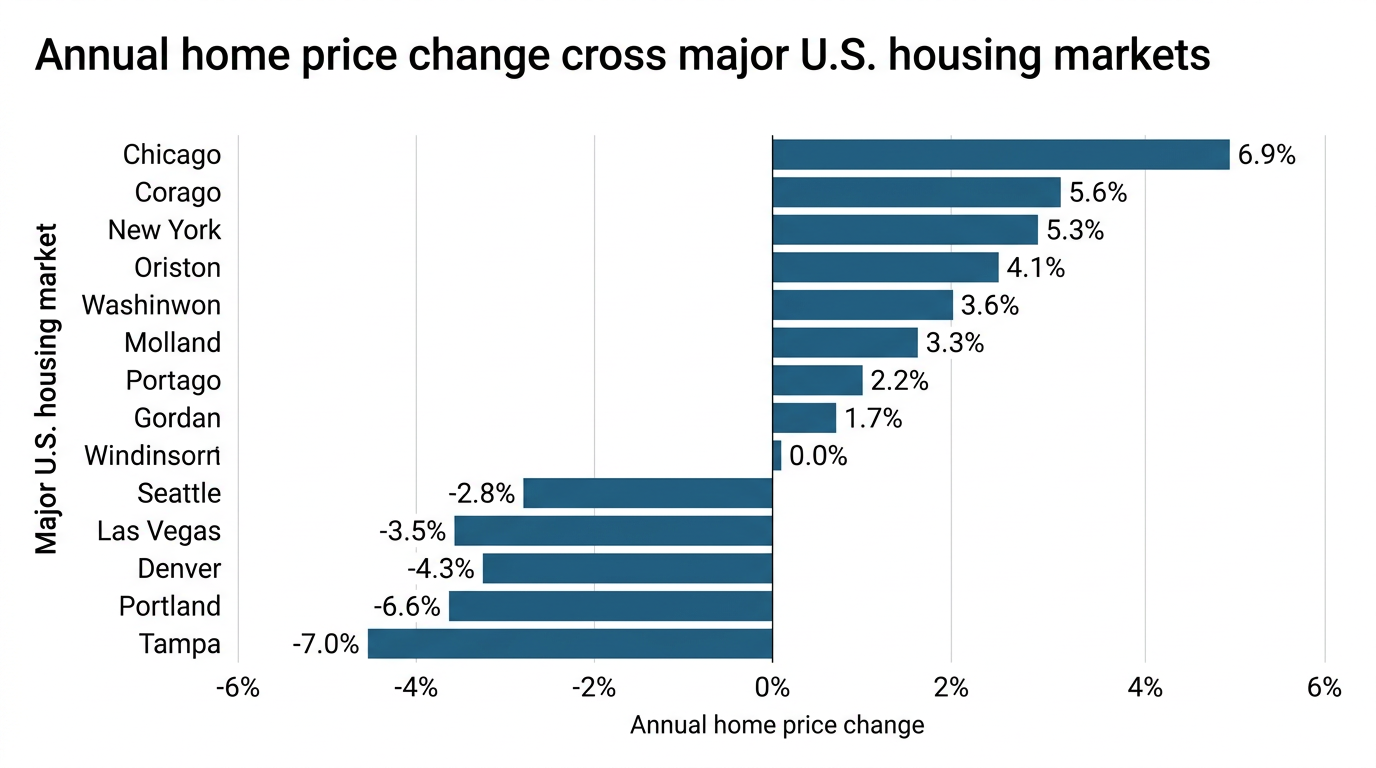
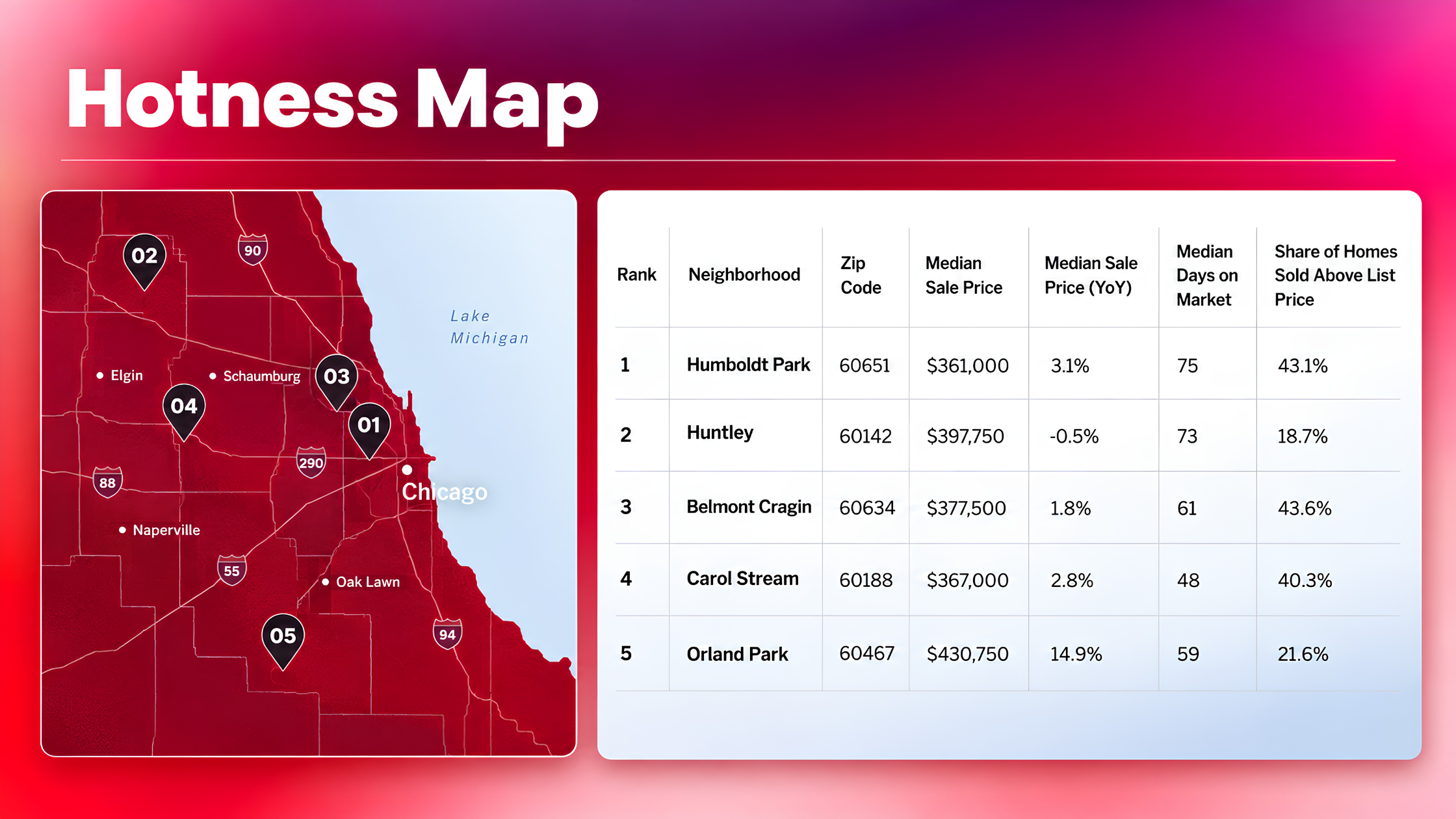
Chicago’s 2026 market feels more measured than the bidding-war frenzy of the pandemic years, but that does not make it easy. In May 2026, the Chicago metro area had 12,408 homes for sale, down 14.6% from the same month in 2025, while the median home price rose 5.5% year over year to $399,990. The city market is still moving, and buyers should expect competition for homes that are well-located, updated, and priced correctly. Current Chicago-area housing data makes the main point clear: more strategy does not mean less demand.
The good news is that buyers do not need to panic. They need a plan.
Start With Financing That Holds Up Under Scrutiny

In a competitive situation, sellers and listing agents are not only evaluating the number on the offer. They are also asking a simple question: How likely is this buyer to close?
A basic pre-qualification is rarely enough to inspire confidence. Before seriously touring homes, buyers should aim for a full pre-approval that verifies income, assets, credit, and down-payment funds. For especially competitive properties, ask your lender whether an underwritten pre-approval is available. It is not the same as final loan approval, but it can show that much of the financial review has already been completed.
A strong financing package should include:
A current pre-approval letter that matches the offer price
Clear proof of down-payment and closing-cost funds
A lender who can respond quickly when an agent needs confirmation
An understanding of condo association review, property taxes, and multi-unit financing if those apply to the property
This matters even more in Chicago, where condos, greystones, two-flats, and vintage buildings can introduce details that a lender unfamiliar with the local market may not anticipate.
Price Matters, but Clean Terms Can Win the Offer
A seller does not always choose the highest offer. A slightly lower offer with stronger financing, a realistic timeline, and fewer avoidable complications can be more attractive than a higher offer that feels uncertain.
The goal is to reduce seller anxiety without giving up the protections that matter to you.
A competitive Chicago offer often considers:
Meaningful earnest money. There is no magic number, but a strong deposit can show commitment when it fits your financial comfort level.
A focused inspection timeline. Shortening the inspection period can be helpful, but it should never mean skipping inspection or rushing due diligence.
Flexible closing dates. Matching the seller’s preferred timeline can matter when two offers are otherwise close.
Clear financing terms. Avoid vague contingencies or unnecessary complications when your financial position is already well documented.
An escalation clause when appropriate. This can make sense in a verified multiple-offer situation, but it should have a firm cap, clear proof requirements, and guidance from your real estate attorney and broker.
The strongest offer is not the one that takes the biggest risk. It is the one that gives the seller confidence while still protecting the buyer from expensive surprises.
Chicago Is Not One Market

This is where many buyers lose time.
Chicago real estate is hyper-local. A pricing strategy that makes sense for a renovated condo in Logan Square may not make sense for a two-flat in Avondale, a greystone in Bucktown, or a newer construction home near North Center.
For example, the latest available data shows Logan Square’s median sale price at about $730,000, up 12.3% year over year, with homes averaging 36 days on market. Avondale posted a median around $642,000, up 22.4% year over year, with homes averaging 37 days on market. Those numbers do not mean every home will receive multiple offers. They do show why buyers cannot assume that a desirable North Side home will sit around waiting for a second showing. Logan Square market activity and Avondale market activity both reinforce how differently nearby neighborhoods can behave.
A smart buyer knows more than the neighborhood name. They understand:
Which blocks carry stronger long-term demand
Whether a home is priced from recent comparable sales or simply testing the market
How a building’s assessments, reserves, and rules affect condo value
Whether a two-flat has the condition, layout, and income potential buyers expect
Which updates are genuinely valuable and which are mainly cosmetic
That local knowledge helps buyers move quickly when a home is priced fairly and step back when a listing is asking more than the market supports.
Know When to Move Quickly and When to Negotiate

Not every listing deserves the same approach.
A fresh, well-presented home near transit with updated kitchens and baths, strong natural light, and accurate pricing may require a fast offer. Waiting several days to “see what happens” can be costly when other buyers are already prepared.
On the other hand, homes that have been on the market longer, have had price reductions, or need updates may offer more room for negotiation. The key is understanding why the listing has not moved.
A price reduction could mean the seller started too high. It could also reflect an issue with layout, condition, assessments, financing eligibility, or location. Buyers should investigate the reason before assuming a lower price automatically equals a better deal.
For more guidance on identifying homes with real negotiating potential, read How to Find the Best Deals on Homes in Today’s Market.
Build a System Before You Start Touring
Competitive buyers are organized before the listing alert arrives.
That means having a clear budget, lender contact, proof-of-funds documents, decision-making process, and a list of non-negotiables. It also means deciding in advance who needs to see the home, who will review documents, and how quickly you can write an offer.
A practical buyer checklist includes:
Know your true monthly budget, including taxes, insurance, HOA dues, and maintenance.
Set a maximum offer number before emotion enters the process.
Tour quickly when a property matches your criteria.
Review comparable sales before writing, not after.
Ask about offer deadlines, seller timing, and known building or property issues.
Keep an attorney and lender available during active negotiations.
This preparation gives buyers the ability to move with confidence instead of making rushed decisions.
Local Relationships Can Create Better Timing

Public listings remain an important part of any home search, but they are not always the entire picture.
Some opportunities are shared through agent networks before a listing fully launches, while others are marketed privately at a seller’s direction and subject to applicable MLS rules. More often, local relationships help in a different way: they provide context.
An experienced local team may be able to clarify whether a property is likely to receive multiple offers, whether the seller has a preferred closing timeline, or whether a building has recent comparable sales that should affect your strategy.
That insight does not guarantee that you will win every offer. It helps make sure that the offers you do write are informed, realistic, and properly positioned.
Buyers who have been searching for months may also find value in Why You Can’t Find the Right Home in Today’s Market and What to Do, which explores how to adjust a home search without lowering standards unnecessarily.
What Chicago Buyers Should Remember in 2026
Chicago is still a competitive market, but it is no longer one where every home should be treated the same.
Across the city, the median sale price was about $419,749 in the three months ending May 2026, up 6.3% year over year, while average days on market were 47 days. That gives buyers more room to analyze some listings than during the fastest pandemic-era periods, but it does not remove competition from the best homes. Chicago’s current market trends show that demand remains strongest where location, condition, and pricing all line up.
The best strategy is not to assume every seller has the upper hand or every buyer has leverage. It is to know which situation you are walking into before you make an offer.
FAQs
-
Yes, especially for well-priced homes in desirable neighborhoods. Chicago-area inventory was down year over year in May 2026, while median prices continued to rise. Buyers may have more time to evaluate certain listings, but strong homes can still attract serious competition.
-
Not automatically. The right offer depends on recent comparable sales, condition, seller timing, competing offers, and the property’s demand level. Some homes are priced strategically to create competition, while others are priced above what the market supports.
-
For buyers pursuing competitive properties, it can be. An underwritten pre-approval may provide a seller with more confidence because much of the financial review has already been completed. Ask your lender whether it fits your situation.
-
Usually, no. Buyers should not give up important due diligence simply to appear competitive. A shorter and well-organized inspection period can be more sensible than waiving inspection protections completely.
-
Yes, but conditions vary by neighborhood and property type. Logan Square and Avondale, for example, both showed year-over-year price gains and shorter average market times in the latest available data, illustrating why buyers should evaluate each neighborhood and listing individually.
Looking for a home in Chicago’s North Side, Downtown, or Nearby Suburbs?
Browse current opportunities or connect with the Cory Tanzer Group at Option Premier for a building-by-building comparison of recent sales, HOA considerations, and the areas that best fit your lifestyle.
Related Articles