Why We Celebrate the Fourth of July: Independence Day 2026 in Chicago
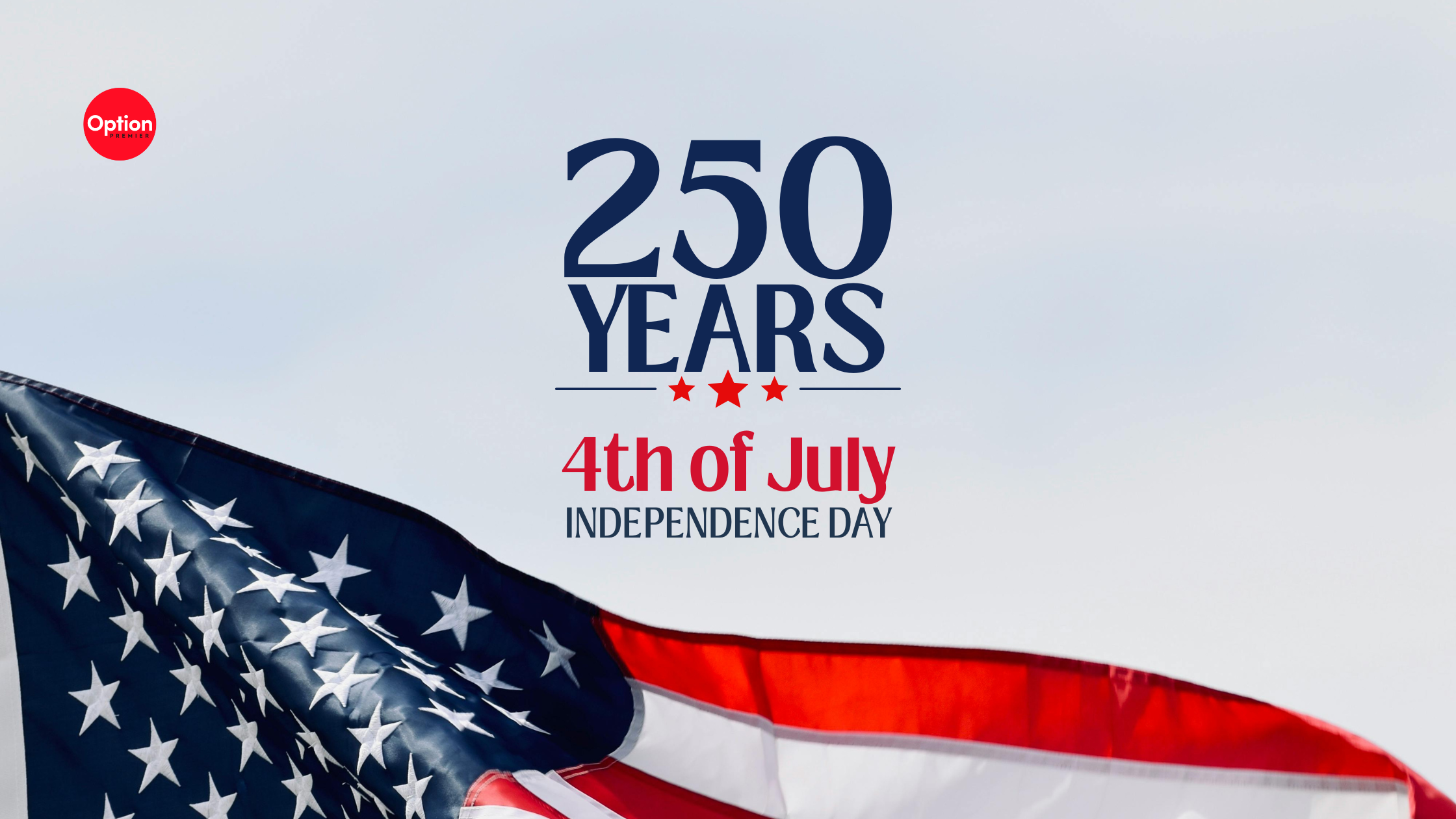
CHICAGO — Every summer, the Fourth of July brings fireworks, family cookouts, parades, lakefront crowds, baseball games, and red, white, and blue celebrations across Chicago and the suburbs.
But Independence Day is more than a long weekend. It marks the anniversary of one of the most important moments in American history: the day the Continental Congress adopted the Declaration of Independence on July 4, 1776.
This year carries even more meaning. July 4, 2026 marks 250 years since the Declaration was adopted, giving Chicagoans a chance to celebrate not only the traditions of the holiday, but also the history, ideas, and community spirit behind it.
What Happened on July 4, 1776?
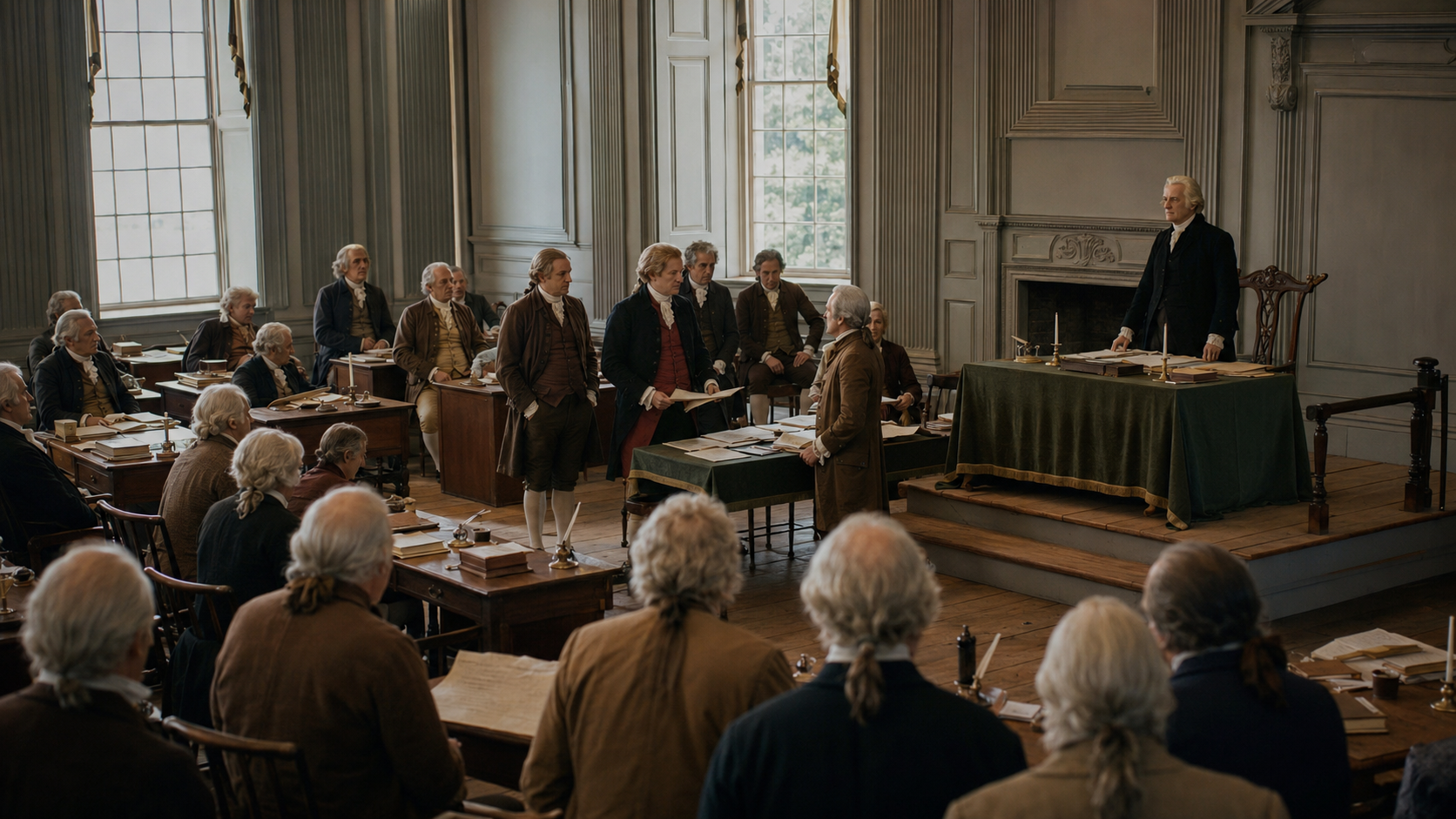
On July 4, 1776, the Second Continental Congress approved the Declaration of Independence in Philadelphia.
The document announced that the thirteen American colonies were separating from British rule and intended to become free and independent states. It laid out a vision of government based on individual rights, representation, and the belief that people should have a voice in their own future.
Thomas Jefferson wrote the first draft, working with a committee that helped shape the final version. The Declaration became a defining statement of American ideals, including the belief that people are entitled to life, liberty, and the pursuit of happiness.
One detail that is often misunderstood is that not every delegate signed the Declaration on July 4 itself. Congress voted for independence on July 2, adopted the Declaration’s final text two days later, and delegates began signing the formal parchment version on August 2, 1776.
How the First Independence Day Celebrations Began
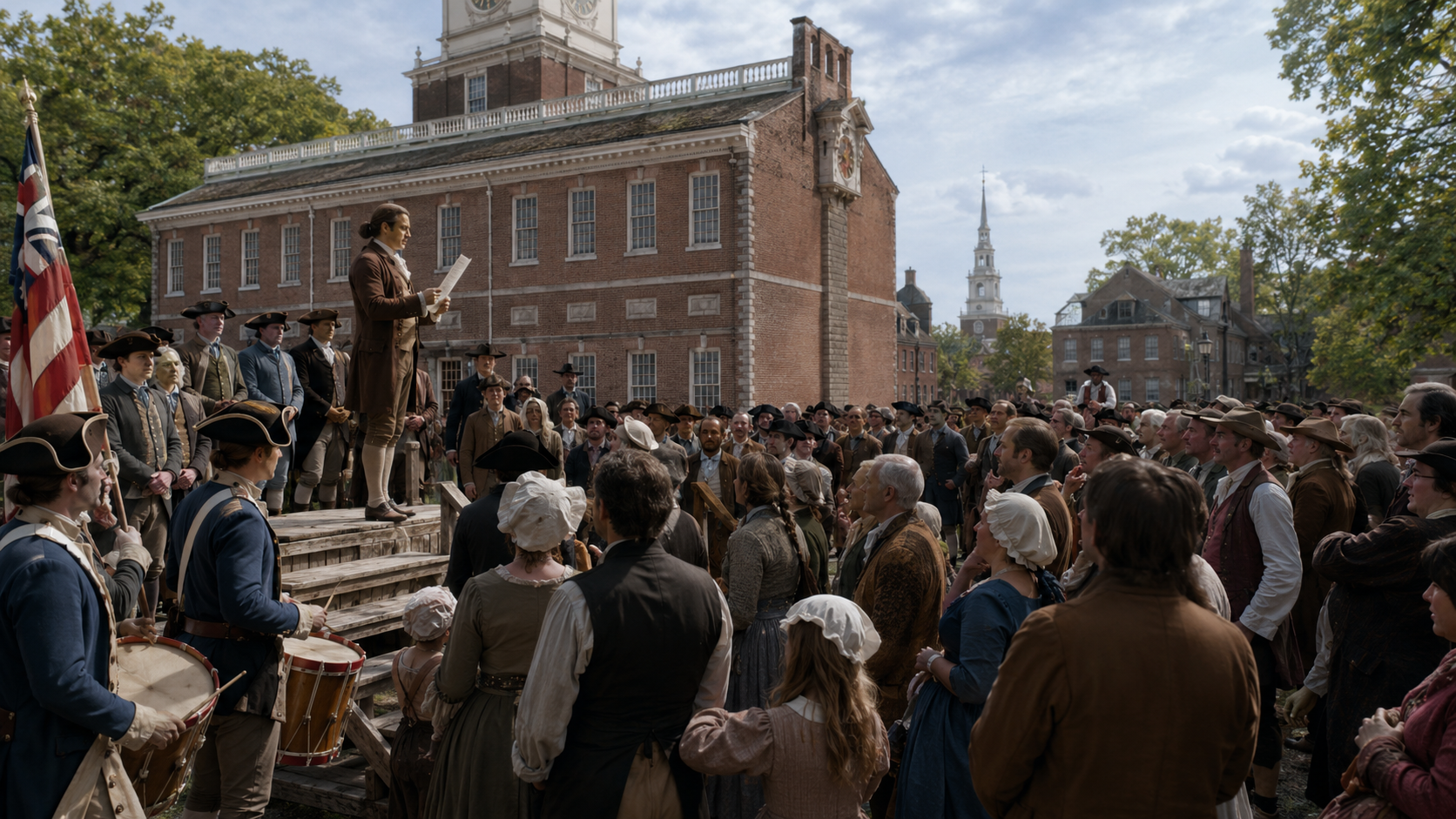
The first public celebrations were built around community gatherings, public readings, bells, music, and local events.
In Philadelphia, the Declaration was publicly read aloud on July 8, 1776, allowing residents to hear the news that the colonies had officially declared independence. Over time, celebrations moved closer to the July 4 adoption date and became more familiar to what Americans know today.
Parades, concerts, fireworks, speeches, cookouts, and neighborhood gatherings eventually became part of the annual tradition.
That is why Independence Day still feels so community-focused. It has always been a holiday built around people coming together in public spaces to celebrate, reflect, and spend time with family, friends, and neighbors.
Why Independence Day Still Matters
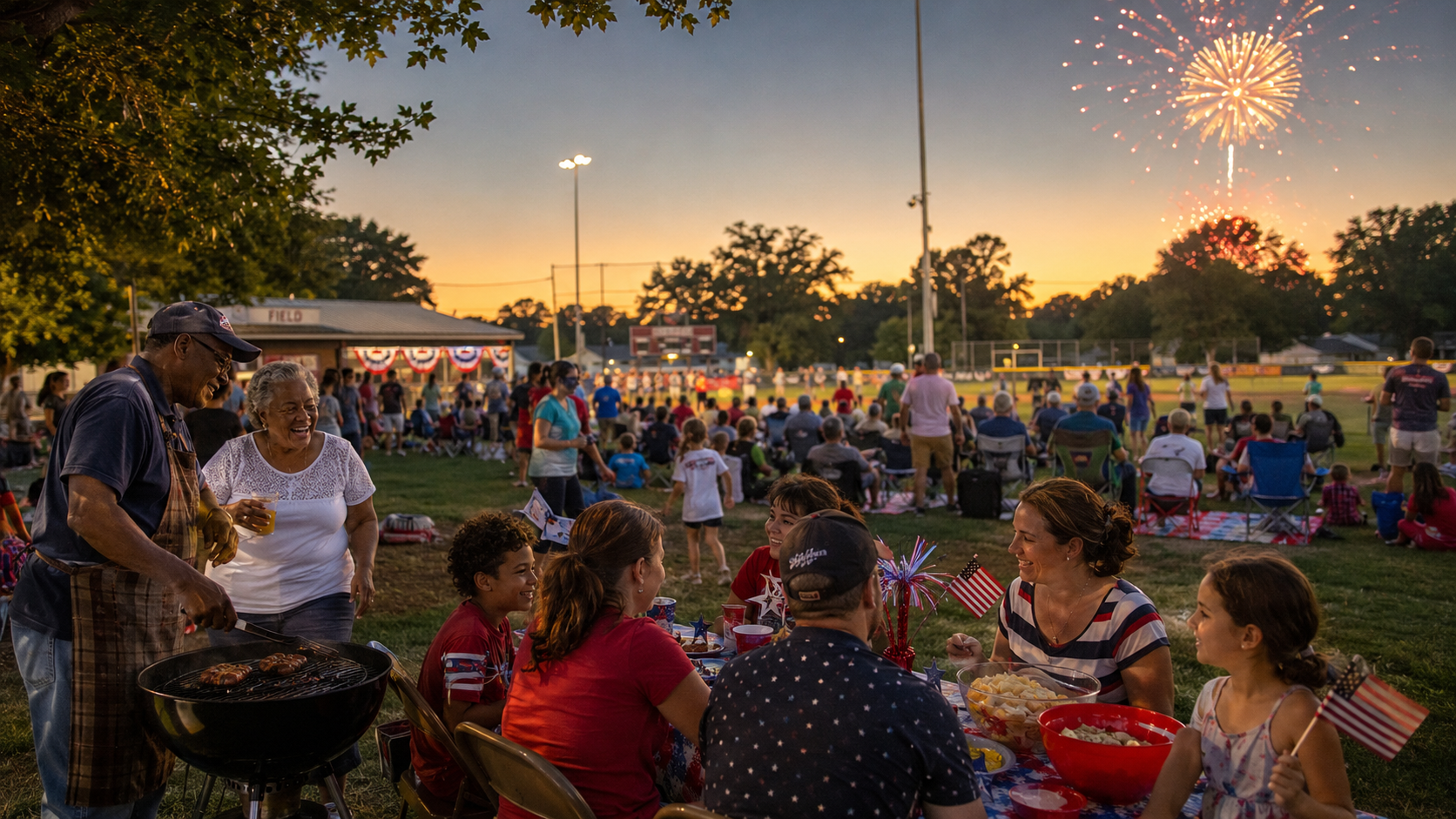
The Fourth of July is often associated with fireworks and summer parties, but the holiday also creates a moment to think about the bigger ideas behind the celebration.
It is a chance to reflect on freedom, civic responsibility, democracy, community, and the many different people and stories that have shaped the country over the past 250 years.
For many families, the holiday is also about creating traditions. That may mean watching fireworks from a favorite park, attending a local parade, hosting a backyard barbecue, going to a baseball game, or gathering with relatives who only see each other a few times a year.
The traditions may look different from one neighborhood to another, but the feeling is often the same: summer, connection, and time spent with the people who make a place feel like home.
How Chicago Is Celebrating Independence Day in 2026
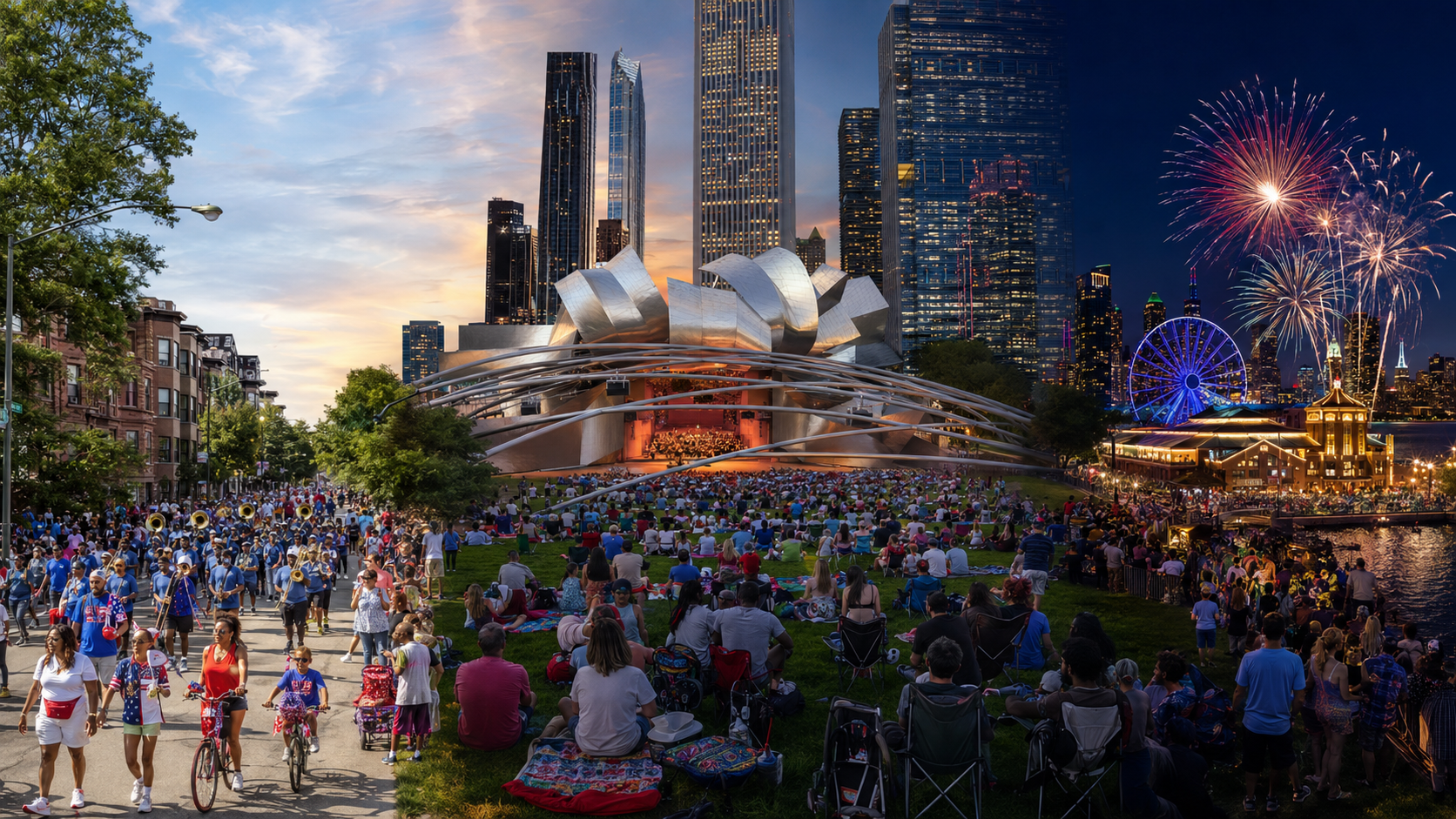
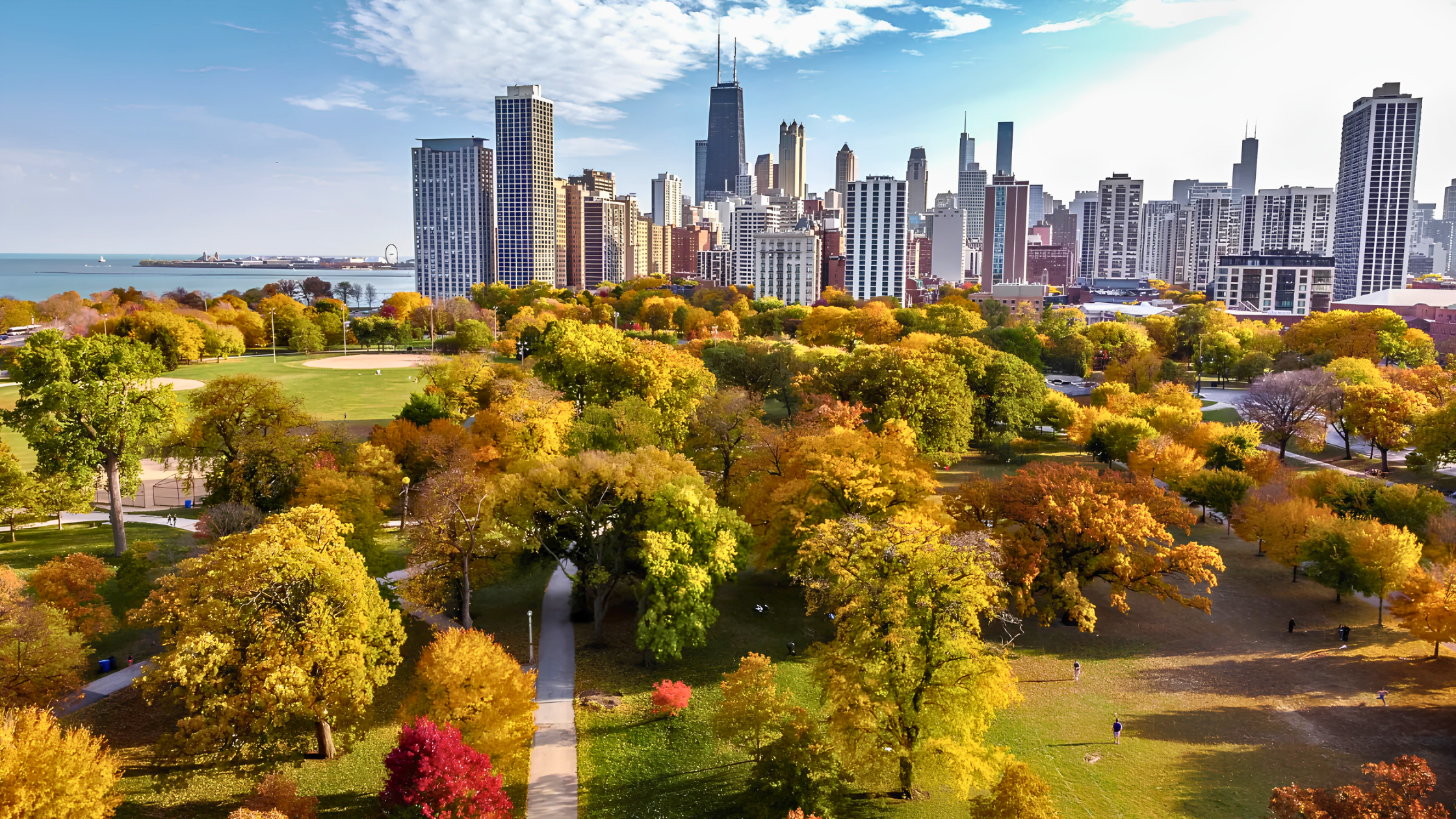
Chicago offers several ways to mark the holiday, whether you want a local neighborhood celebration, a free outdoor concert, or a major lakefront fireworks display.
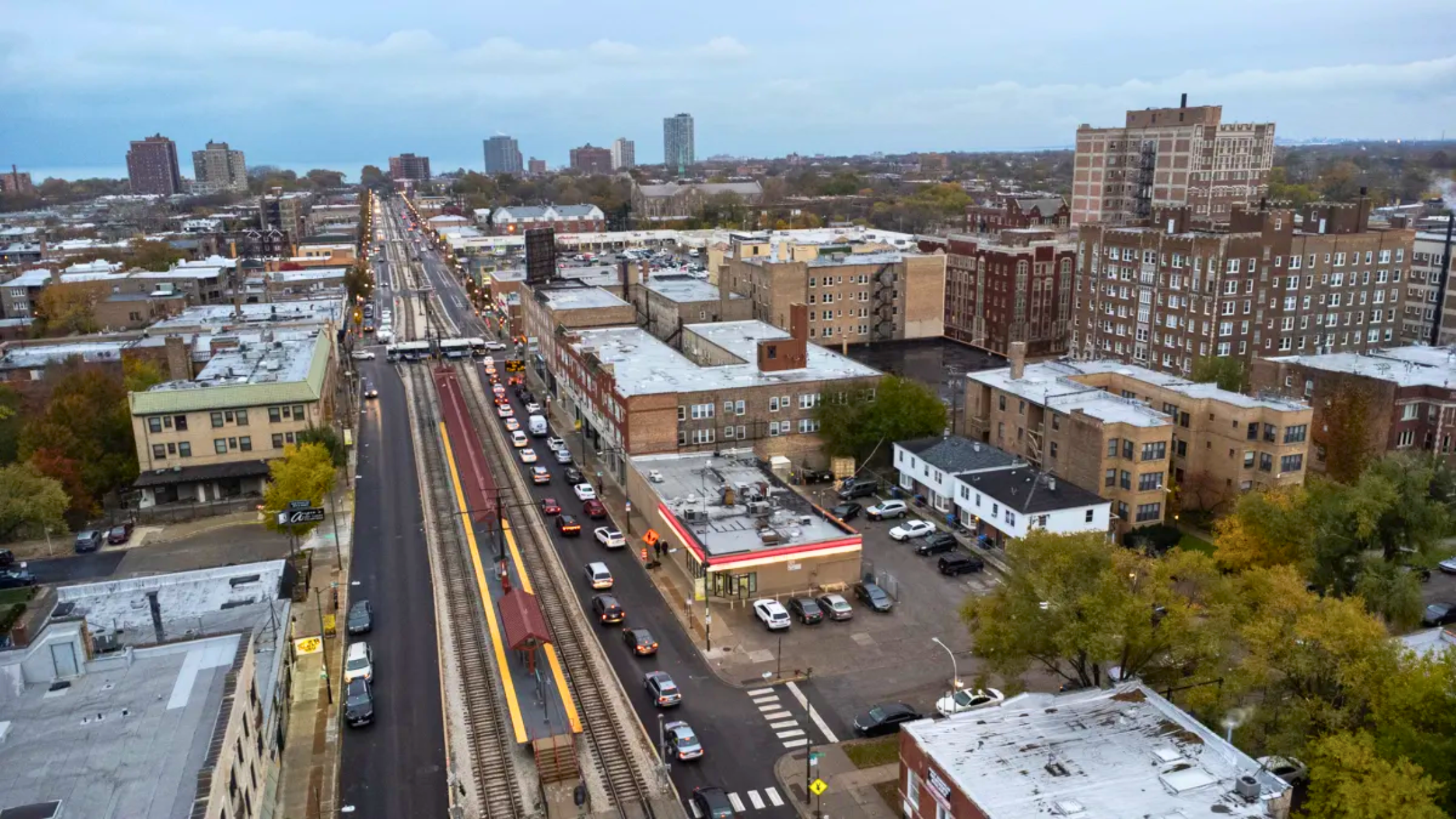
In Hyde Park, the annual 4th on 53rd Parade and Free Festival begins at 11 a.m. and includes marching bands, floats, community groups, decorated bikes, family activities, games, and live entertainment. The festival continues after the parade from 12 p.m. to 3 p.m.
Later in the day, the Independence Day Salute takes place at the Jay Pritzker Pavilion in Millennium Park. The free concert begins at 7:30 p.m. and includes patriotic music, classical favorites, and a family-friendly downtown atmosphere.
For the biggest fireworks experience, Navy Pier’s Independence Day Fireworks begin at 10 p.m. The show is expected to last approximately 15 minutes and will be choreographed to music against the Chicago skyline and Lake Michigan.
Because July 4 is one of the busiest nights of the year downtown, those planning to attend Navy Pier should arrive early, plan for security screening, and consider public transportation instead of driving.
Making the Most of the Fourth of July Weekend
The best Fourth of July plans are usually the ones that feel easy and personal.
A few ways to enjoy the day include:
Start the morning with a neighborhood parade.
Host a barbecue or potluck with family and friends.
Spend the afternoon at a local park, beach, or lakefront trail.
Attend a free outdoor concert or community event.
Watch fireworks from Navy Pier, a neighborhood park, or a suburban celebration.
Support a local restaurant, bakery, bar, or business before heading to an event.
Make time to slow down and enjoy a full summer day in Chicago.
No matter how you celebrate, planning matters. Popular events can bring road closures, crowded trains, limited parking, and long waits after fireworks end. Checking official event updates before leaving home can make the experience much smoother.
Looking to Find a Chicago Neighborhood That Feels Like Home?
From neighborhood parades and lakefront fireworks to parks, restaurants, walkable streets, and community traditions, every part of Chicago offers a different version of city living. Connect with the Cory Tanzer Group at Option Premier for expert guidance on finding a home near the places, lifestyle, and neighborhood energy that fit your next chapter.
Related Articles