Is West Loop Still a Smart Place to Buy an Investment Condo in 2026?

Is West Loop still a smart place to buy an investment condo in 2026? Yes, especially for buyers who are focused on long-term value, strong rental demand, and one of Chicago’s most established live-work neighborhoods.
West Loop continues to offer the fundamentals investors look for: high walkability, major employers, strong rents, transit access, restaurant and lifestyle demand, and lasting appeal near Fulton Market, Restaurant Row, and downtown offices.
What makes the opportunity stronger in 2026 is that buyers have to be more selective. The best investment condos are the ones with the right combination of location, building quality, layout, ownership costs, and resale potential. In a neighborhood as competitive as West Loop, smart selection matters just as much as the neighborhood itself.
Why West Loop Still Gets Investor Attention
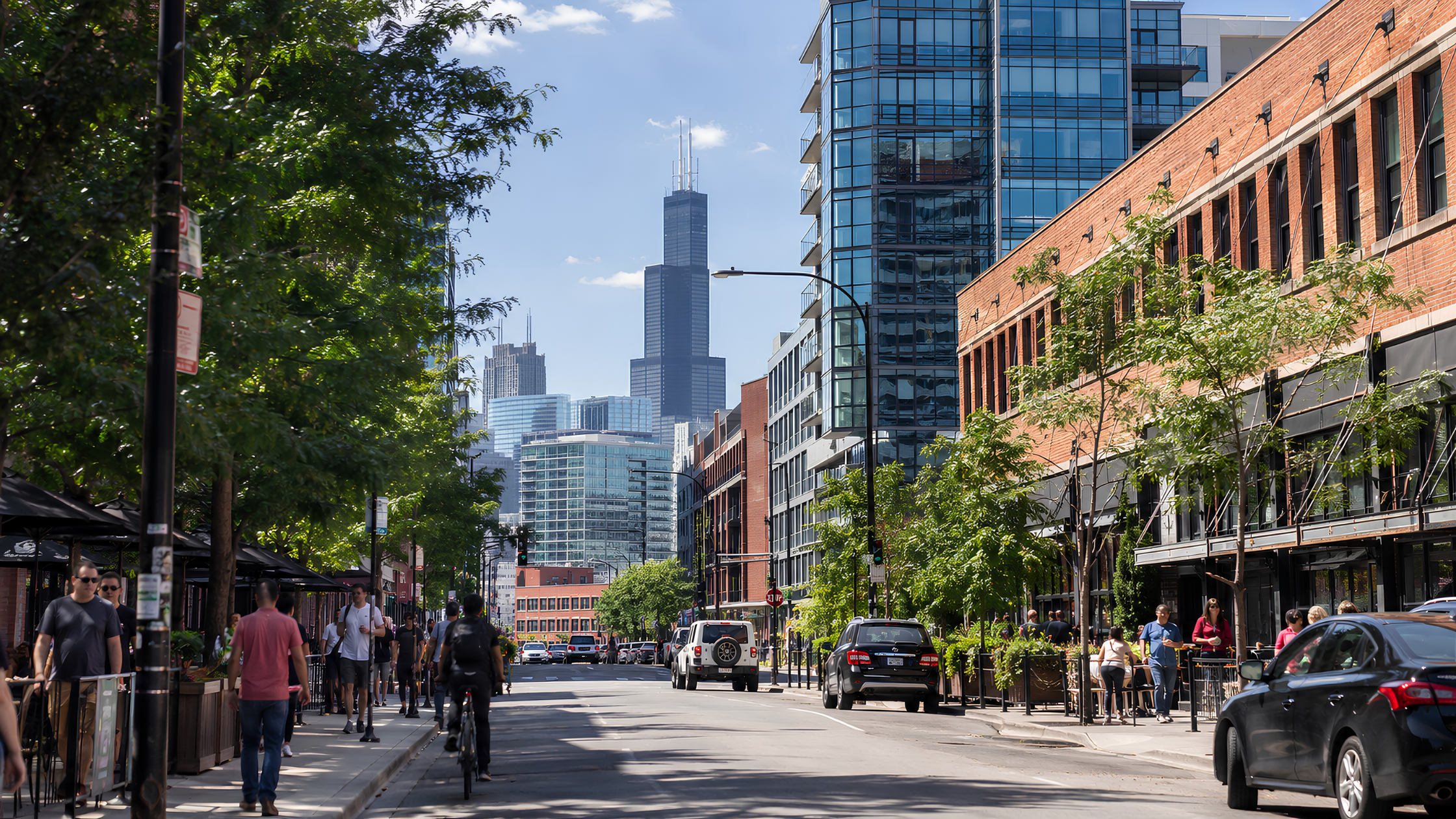
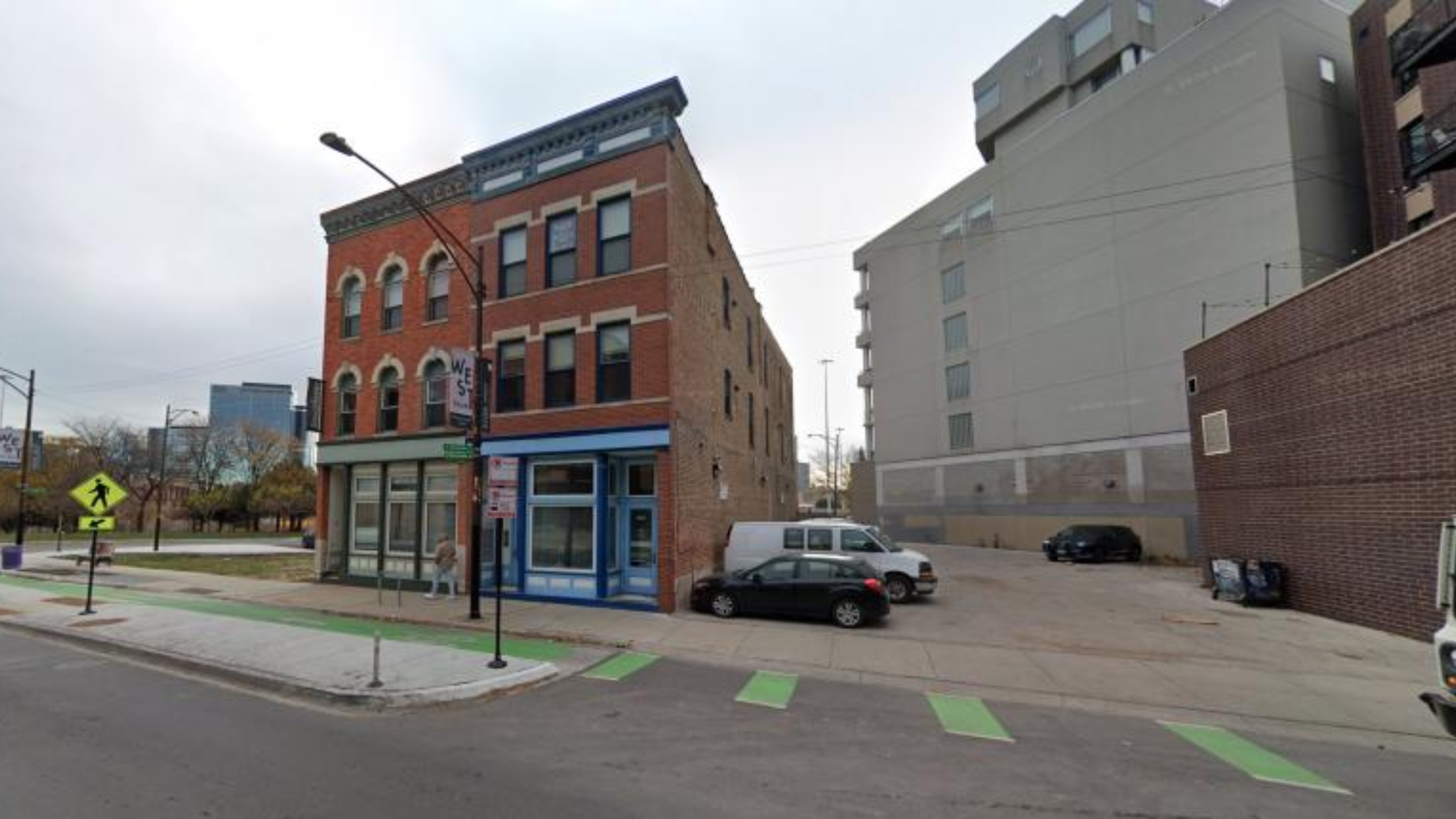
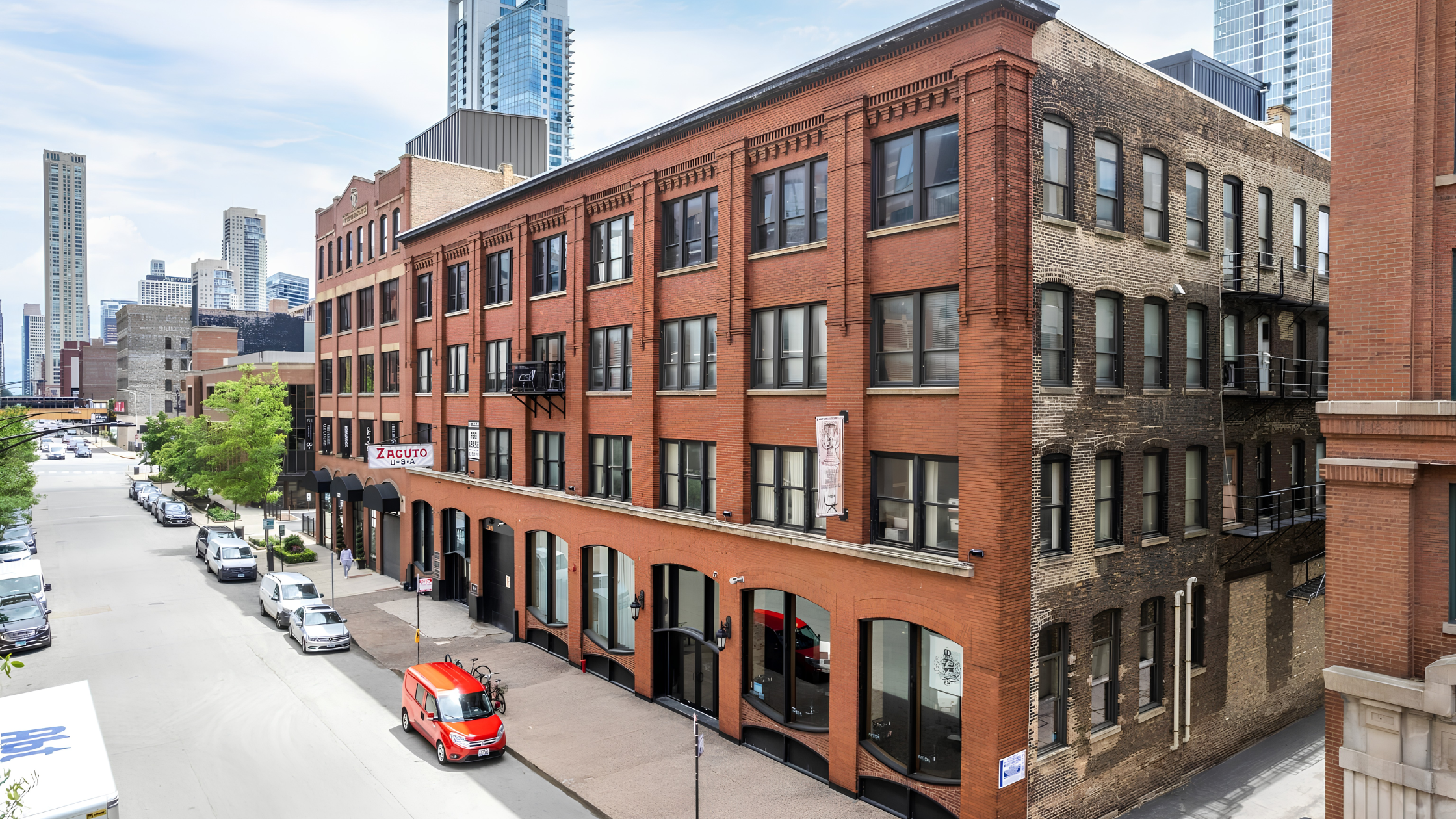
West Loop has changed dramatically from its industrial and wholesale food market roots. Today, the neighborhood is known for adaptive-reuse buildings, modern residential towers, destination restaurants, office users, and some of Chicago’s most recognizable corporate names. A closer look at West Loop’s evolution shows how the area grew from warehouses and food markets into one of Chicago’s most active live-work neighborhoods.
That matters for investors because demand does not come from one source. West Loop attracts renters and buyers who want restaurants, jobs, transit, architecture, and convenience in the same neighborhood.
It is also highly walkable. Current neighborhood data gives West Loop a 96 Walk Score, 100 Transit Score, and 86 Bike Score, which supports its appeal for renters who want a car-light or car-optional lifestyle.
For buyers comparing buildings, layouts, and ownership costs, this guide to buying a condo in the West Loop is a helpful next read.
What Current West Loop Market Data Suggests
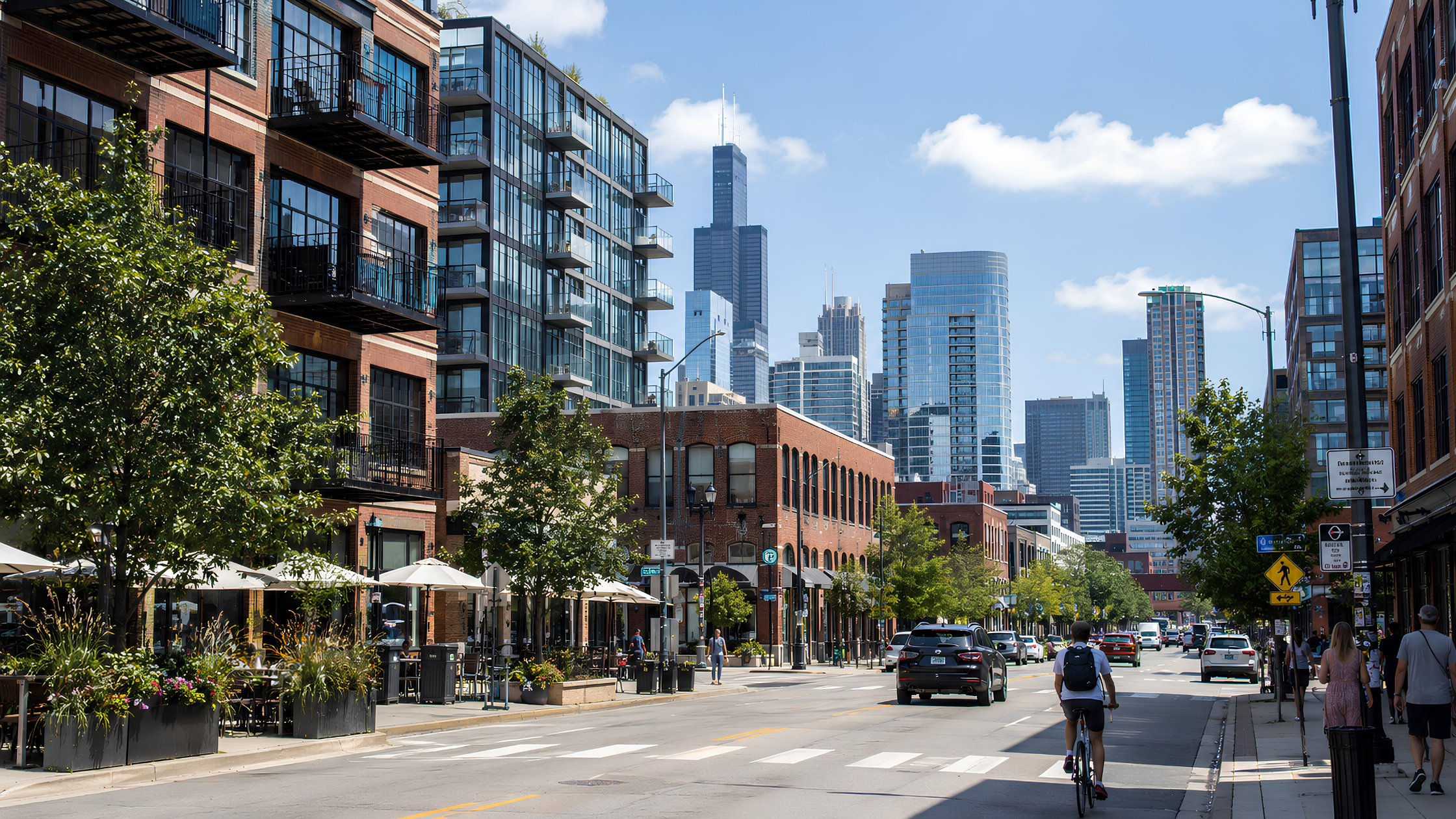
The West Loop condo market is still active, but the numbers need context.
Recent neighborhood data shows a median sale price of $499,000 over the last three months, up 6.2% year over year. The median sale price per square foot is $421, up 7.4% year over year, and the neighborhood is described as very competitive.
A separate market snapshot places the median listing price around $475,000, with 198 active listings, a median of 24 days on market, and a 102% sale-to-list ratio. That difference is important. It shows why investors should look at both active listings and closed sales, not just one headline number.
The takeaway is simple: West Loop is still competitive, but not every property performs the same. A well-located condo with strong light, a good layout, parking, outdoor space, or a desirable building can behave very differently from a generic unit with high carrying costs.
The Long-Term Potential Is Real, But So Is the Pipeline
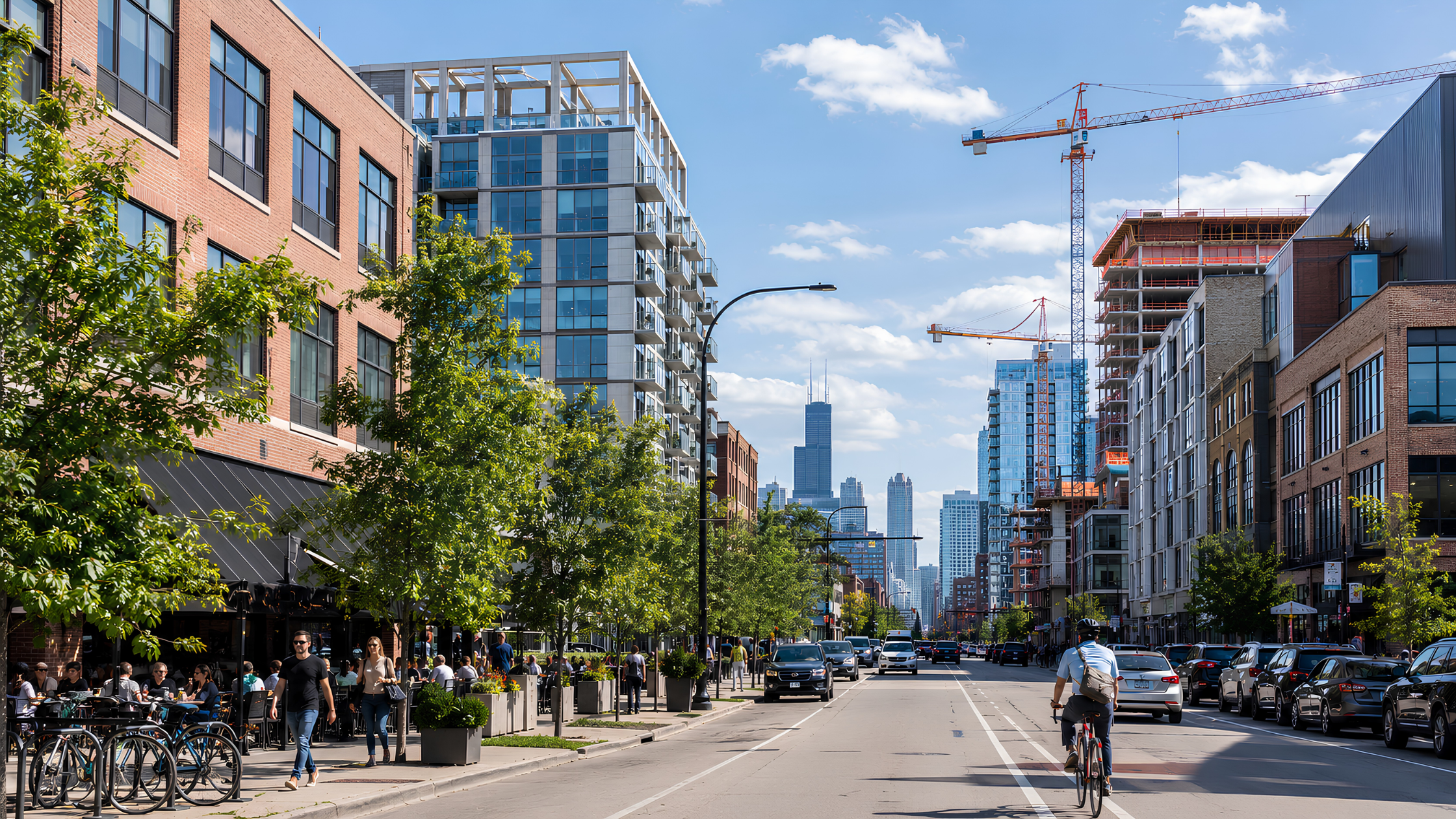
West Loop and Fulton Market continue to stand out as premium rental submarkets. A recent Chicago multifamily market report shows West Loop/Fulton Market among the city’s leading submarkets, with 8,448 proposed new units and significant ongoing construction activity.
Those are strong signals, but they also point to the main risk.
Future performance may depend less on simply owning in West Loop and more on owning a unit that can compete. Generic layouts, high assessments, poor light, weak finishes, or buildings with less favorable rental rules may have a harder time standing out as new inventory comes online.
Lofts vs. New Builds in West Loop
This is one of the most important investor questions in the neighborhood.
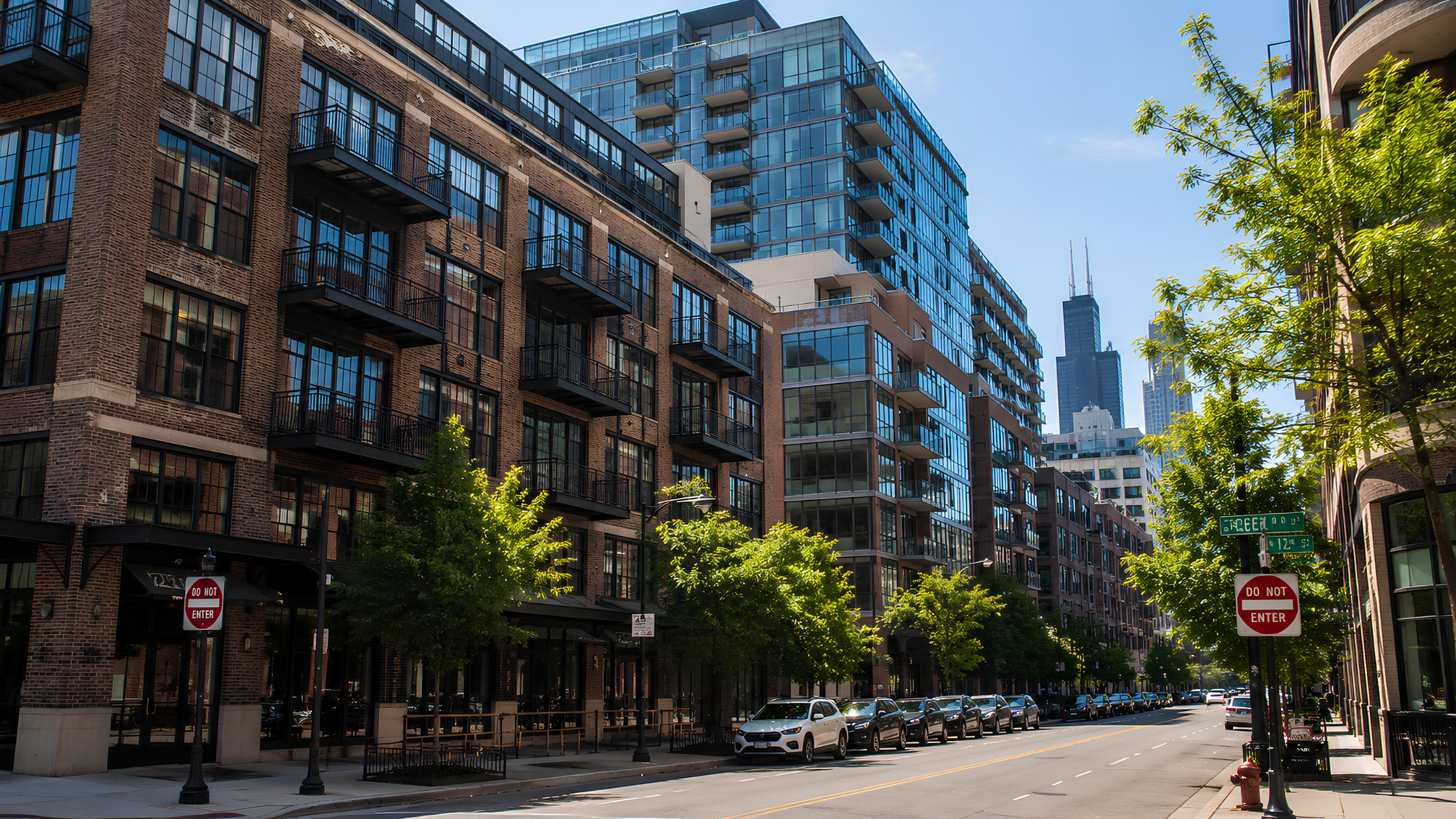
West Loop offers true loft conversions, timber lofts, newer luxury condos, and modern mid-rise and high-rise buildings. That variety is one of the neighborhood’s strengths, but it also makes asset selection more complicated.
Lofts can offer character that newer buildings sometimes cannot replicate. Buyers and renters often respond to exposed brick, timber beams, high ceilings, large windows, and open layouts. For buyers drawn to that style, understanding Chicago’s most desirable timber loft buildings can help clarify which buildings offer stronger long-term appeal.
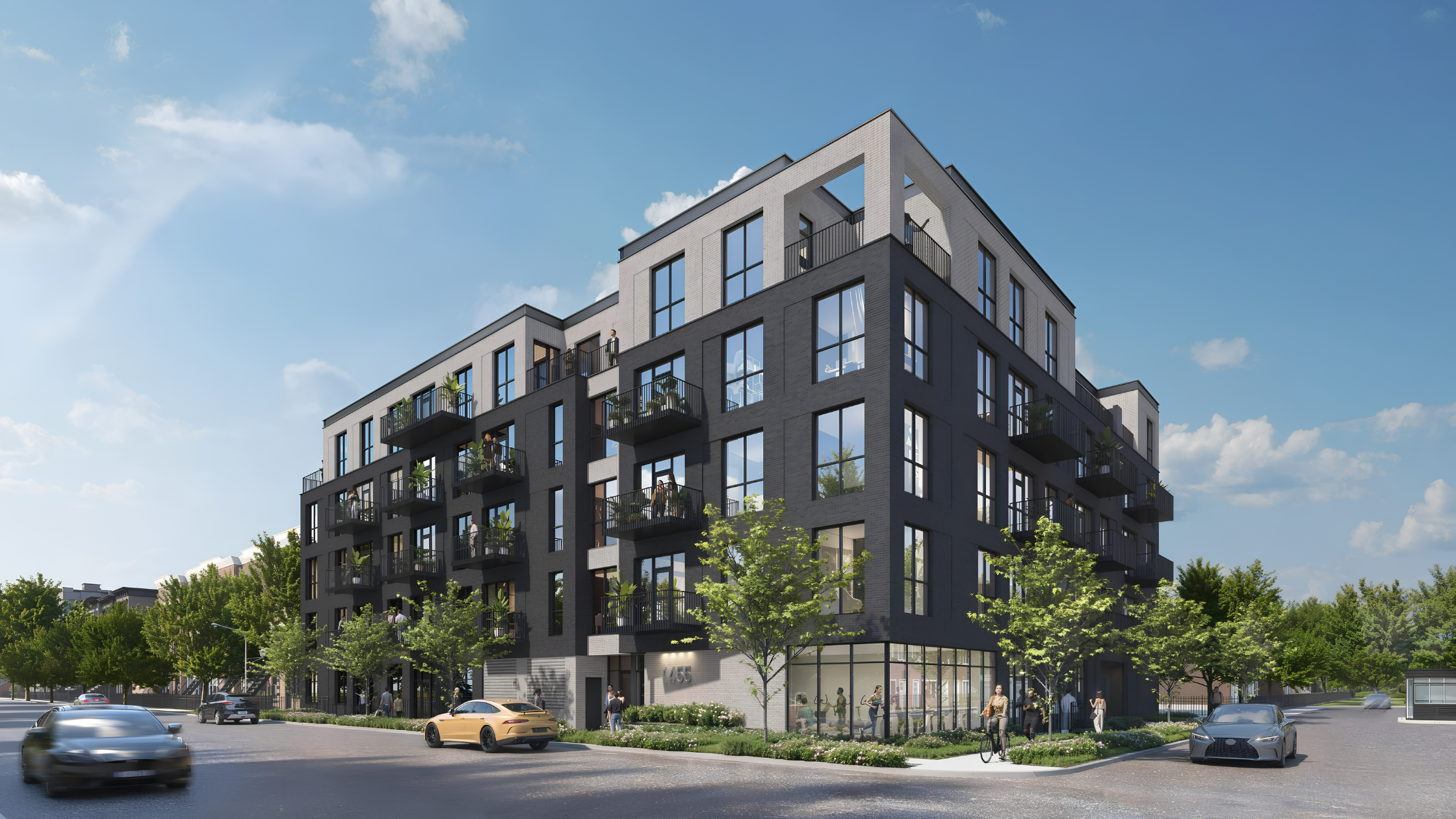
Newer buildings often appeal to renters who want modern finishes, elevator access, updated systems, private outdoor space, parking, and amenities. Those features can support demand, but newer does not automatically mean better. If monthly assessments are high or the unit competes with many similar rentals nearby, returns can tighten quickly.
The better question is not “loft or new build?” It is: which specific unit has the stronger long-term position?
What a Strong West Loop Investment Condo Often Looks Like

A strong West Loop investment condo usually has more than one advantage.
It may have a better floor plan, stronger natural light, authentic loft character, private outdoor space, garage parking, a desirable building, or a location that renters immediately understand.
A weaker investment may still be in West Loop, but carry too many trade-offs. Examples include high monthly costs, awkward layout, limited light, poor building financials, or rental restrictions that make the unit harder to lease.
For long-term ownership, the best condos usually balance three things:
Tenant appeal
Resale flexibility
Carrying costs that still make sense
That is where investor discipline matters. West Loop is strong, but the neighborhood name alone does not guarantee a strong return.
So, Is West Loop Still a Smart Investment in 2026?
Yes, West Loop can still be a smart place to buy an investment condo in 2026, but it is not a market for lazy underwriting.
The neighborhood has clear strengths: strong rents, lifestyle demand, transit access, job proximity, restaurant culture, and long-term visibility.
The risks are also clear: elevated purchase prices, future rental competition, property taxes, insurance, HOA dues, and building-level differences that can materially affect returns.
The best opportunity is not simply buying a West Loop condo. It is buying a West Loop condo that has a reason to stay competitive over time.
FAQs
-
Yes. Current data shows a competitive market, with West Loop’s median sale price around $499,000 over the last three months and prices up 6.2% year over year
-
Yes, but investors should use a conservative rent range. Public rent data places many West Loop rents from the mid-$2,000s to low-$3,000s, depending on unit size, building quality, and source.
-
The biggest risks are carrying costs and future competition. HOA dues, property taxes, insurance, rental rules, and new supply can all affect returns. The West Loop/Fulton Market pipeline includes thousands of proposed units, so investors need to buy units that stand out.
-
Neither is automatically better. Lofts may offer stronger character and differentiation, while newer buildings may offer modern finishes and amenities. The stronger investment is the specific unit with better demand, stronger building fundamentals, and a cost structure that supports your goals.
-
Because West Loop properties do not all perform equally. HOA health, rental policies, reserves, parking, light, layout, amenities, and management can all affect rentability and resale value.
Looking for a West Loop Investment Condo?
Looking for a West Loop condo, loft, or long-term investment opportunity? Connect with the Cory Tanzer Group at Option Premier for a building-by-building review of pricing, rental potential, HOA considerations, and resale positioning.
Whether you are comparing lofts near Fulton Market, newer condo buildings, or long-term rental opportunities, our team can help you evaluate the numbers and the lifestyle factors that drive demand.
Related Articles