Windy City Smokeout Starts Today Near the United Center
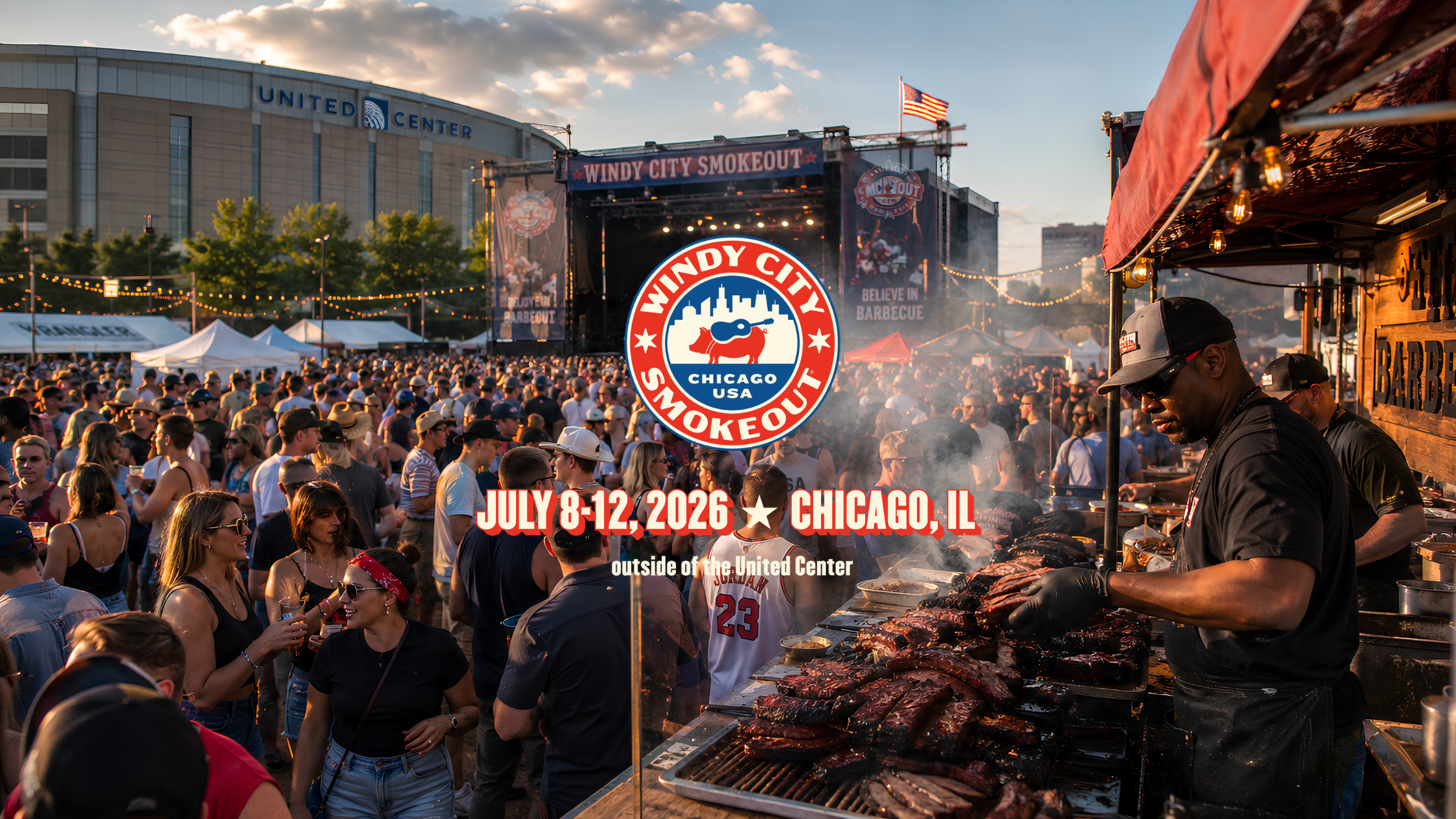
One of Chicago’s biggest summer festivals starts today near the United Center, bringing five days of country music, barbecue, and major visitor traffic to the Near West Side.
Windy City Smokeout runs from July 8 through July 12, 2026, outside the United Center at 1901 W. Madison Street. The festival has become one of Chicago’s most recognizable summer events, combining national country music acts, barbecue teams from across the country, drinks, merchandise, and a large outdoor festival atmosphere.
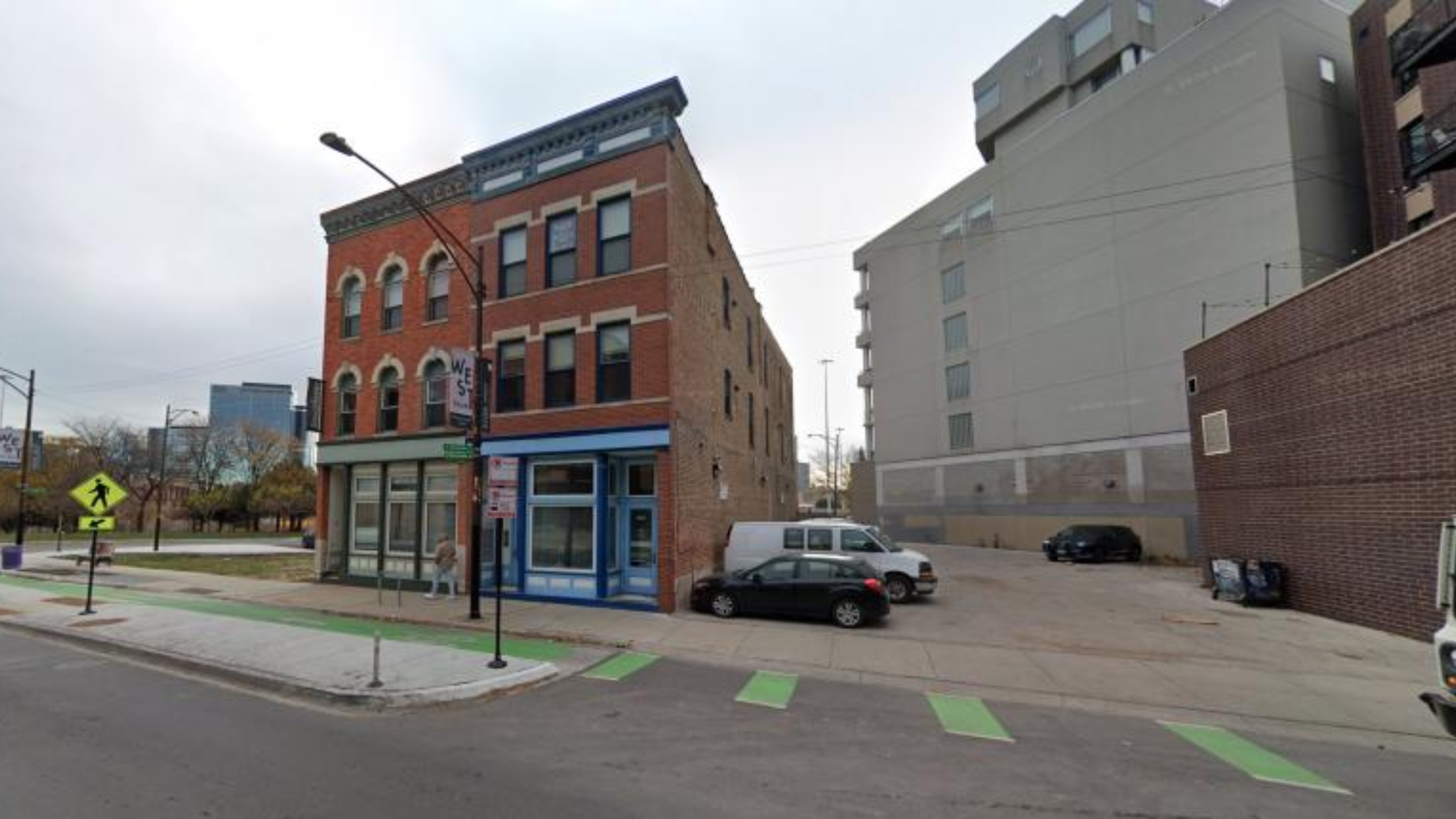
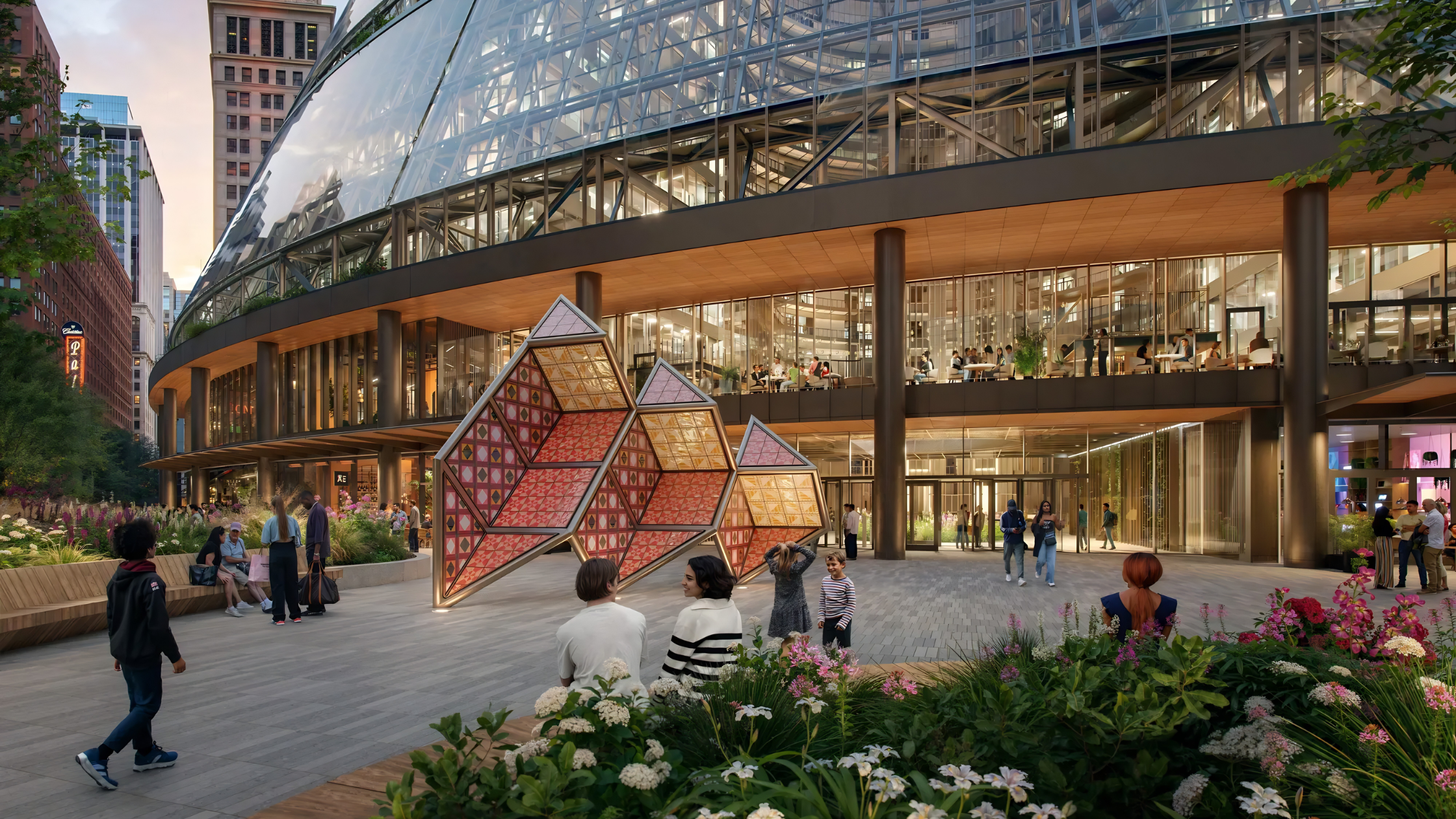
This year’s festival also arrives at an important moment for the neighborhood. With continued demand around the West Loop, major event traffic around the United Center, and long-term investment tied to The 1901 Project, the Near West Side is becoming one of Chicago’s most important areas to watch.
What to Know About Windy City Smokeout 2026
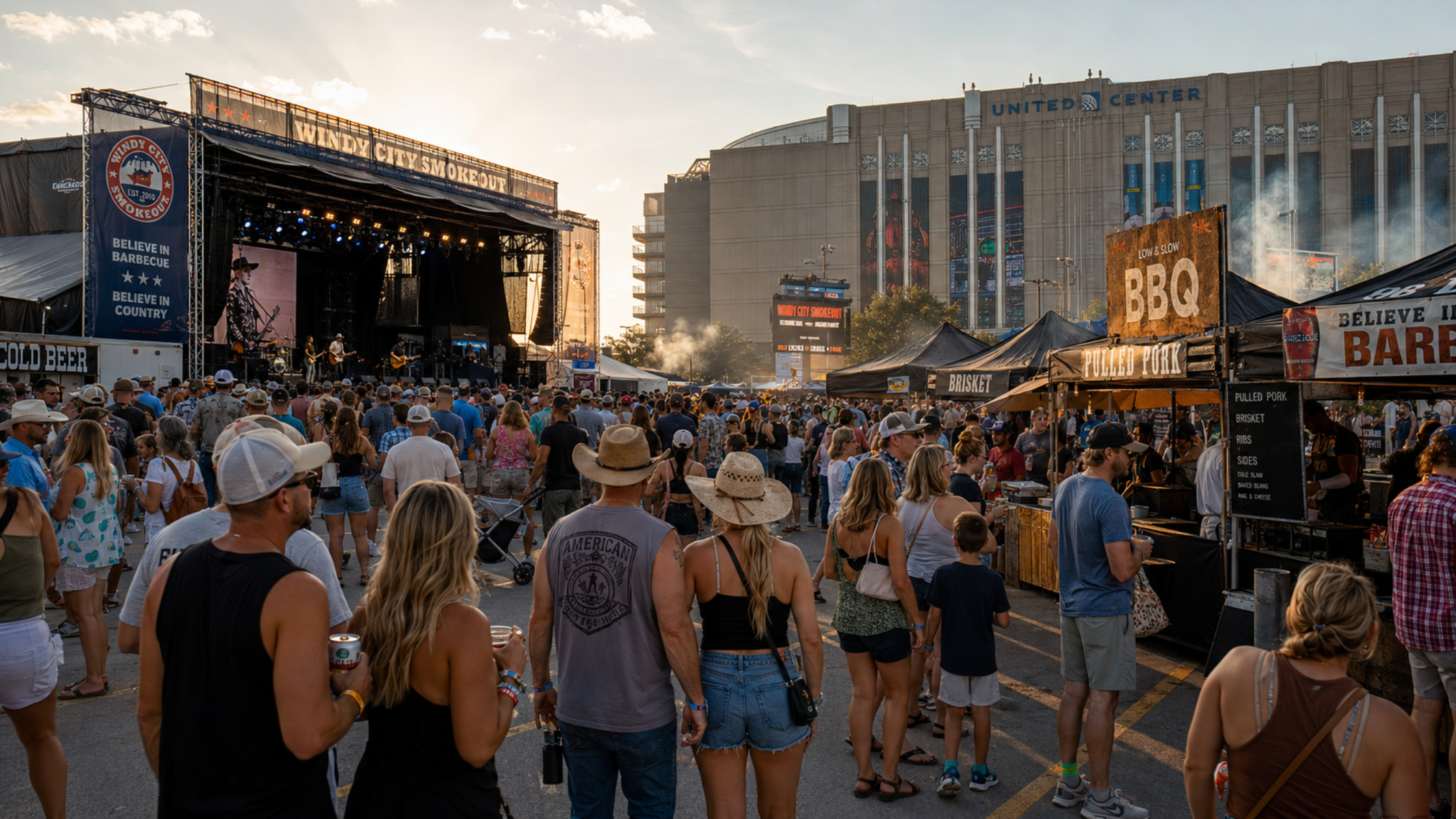
Windy City Smokeout is taking place at United Center Lot C, with the main entrance near Madison Street and Wood Street.
The festival schedule runs:
Wednesday, July 8: 4 p.m. to 10 p.m.
Thursday, July 9: 2 p.m. to 10 p.m.
Friday, July 10: 2 p.m. to 10 p.m.
Saturday, July 11: 1 p.m. to 10 p.m.
Sunday, July 12: 1 p.m. to 10 p.m.
This year’s lineup includes major names across the five-day event, including Treaty Oak Revival, Hootie & The Blowfish, Lainey Wilson, Jordan Davis, and Blake Shelton. The festival also includes rising country artists and a deep roster of barbecue vendors.
For anyone attending, it is important to plan ahead. General admission wristbands include access to the festival grounds, live music, and general food vendor areas, but food and beverages are purchased separately. Children 10 and under are free in general admission areas when accompanied by a paying adult.
Why Events Help Shape Neighborhood Demand
Large events can change how people experience a neighborhood.
Someone may first come to the Near West Side for a concert, a festival, a basketball game, a hockey game, or a special event at the United Center. But while they are there, they may notice nearby restaurants, new construction, transit access, parks, medical campuses, and the short distance to the West Loop.
That is how lifestyle demand often builds.
For renters and buyers, the Near West Side offers a combination that is becoming harder to ignore:
Proximity to West Loop and Fulton Market
Access to the United Center
CTA and bus connectivity
Nearby medical and university institutions
Restaurant and entertainment growth
Short trips to downtown Chicago
Continued development attention
More planned public space and neighborhood investment
That mix makes the area appealing to people who want to stay close to Chicago’s most active neighborhoods while potentially finding more value or future upside than in the heart of Fulton Market.
Planning Tips for Attendees
If you are heading to Windy City Smokeout this week, a little planning will help.
The festival is located near the United Center, and the main entrance is at Madison and Wood. Public transportation is a strong option, with CTA rail and bus connections nearby. Rideshare drop-off areas and limited parking are available, but traffic around the United Center can build quickly during major events.
Festival guests should also review the bag policy before arriving. All bags must generally be 10 inches by 6 inches by 2 inches or smaller, with exceptions for medical bags, diaper bags, and breast pumps. Outside food, outside drinks, coolers, metal or glass bottles, drones, fireworks, tents, and several other items are prohibited.
Looking to Buy Near West Loop or the Near West Side?
Browse available condos, lofts, and homes near West Loop, Fulton Market, Greektown, Little Italy, United Center, and the Near West Side, or connect with the Cory Tanzer Group at Option Premier for expert guidance on neighborhoods shaped by restaurants, events, transit, new development, and long-term lifestyle demand.
Related Articles