Chicago First-Time Buyers Can Now Apply for Up to $70K in Assistance

A new Chicago homebuyer assistance program could make homeownership more realistic for eligible buyers this summer. The HomeGrown Purchase Assistance Grant opens for applications on June 8, 2026, offering grant assistance that can be used toward down payments and closing costs.
For renters, first-time buyers, and affordability-focused households, this program may help close one of the biggest gaps in the buying process: having enough cash ready before closing.
What Is the HomeGrown Purchase Assistance Grant in Chicago?
The HomeGrown Purchase Assistance Grant is a City of Chicago program designed to help eligible buyers purchase a primary residence in the city.
Grant funds can be used for down payment assistance and closing costs, which are two of the most common barriers for buyers who may qualify for a mortgage but still need more cash to complete a purchase. NHS Chicago notes that the program is funded by the City of Chicago Department of Housing and administered by Neighborhood Lending Services, Inc. and TRP Lending LLC.
The program does not require buyers to use a preferred lender. Buyers may work with a qualified lender of their choice, but the grant application must go through an authorized administrator.
How Much Assistance Can Chicago Buyers Receive?
Assistance depends on household income, Area Median Income, and whether the property is located in Zone A or Zone B.
Zone A includes areas where neighborhoods have experienced significant increases in home sale prices. Zone B includes lower-income census tract areas. NHS Chicago summarizes the grant amounts as up to $70,000 in Zone A and up to $50,000 in Zone B, with the grant capped at 25% of the home’s purchase price.
Here is the assistance structure based on the program details:
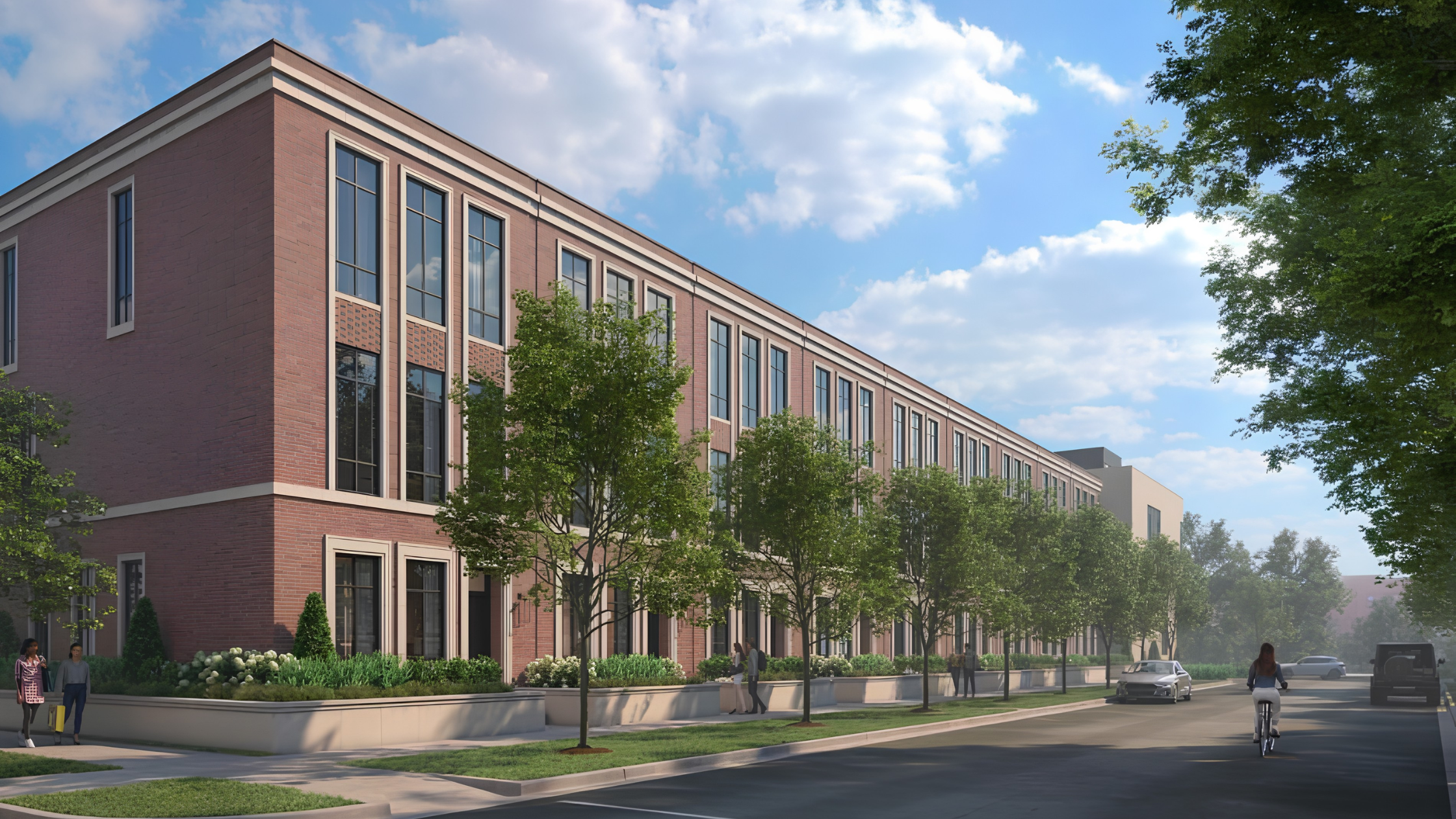
For a Chicago buyer trying to purchase a condo, townhome, single-family home, or small multi-unit property, that support could meaningfully reduce the amount of money needed upfront.
To determine a property’s zone, visit Chicago.gov/HomeGrown and enter the property address into the Zone Lookup Tool. The tool will show whether the property is located in Zone A or Zone B.
Who May Qualify for Chicago First-Time Homebuyer Assistance?
Eligible buyers must meet income and mortgage requirements, complete homebuyer education counseling, and contribute at least 1% of the original purchase price from personal funds. Grant funds also may not exceed 25% of the property purchase price before other assistance is applied.
Buyers should be prepared to provide:
Homebuyer application
Income documentation
Identification documents
Mortgage pre-approval letter
Executed purchase contract
The program also requires buyers to occupy the home as their primary residence. REALTOR® guidance notes that participating buyers must occupy the property as their principal residence for at least five years.
Why Pre-Approval Matters Before Applying
This is where buyers need to move carefully.
The grant can help with affordability, but it does not replace the need for strong buyer preparation. A buyer still needs a mortgage pre-approval, income documentation, personal funds, and a purchase contract. That means waiting until the last minute could create delays.
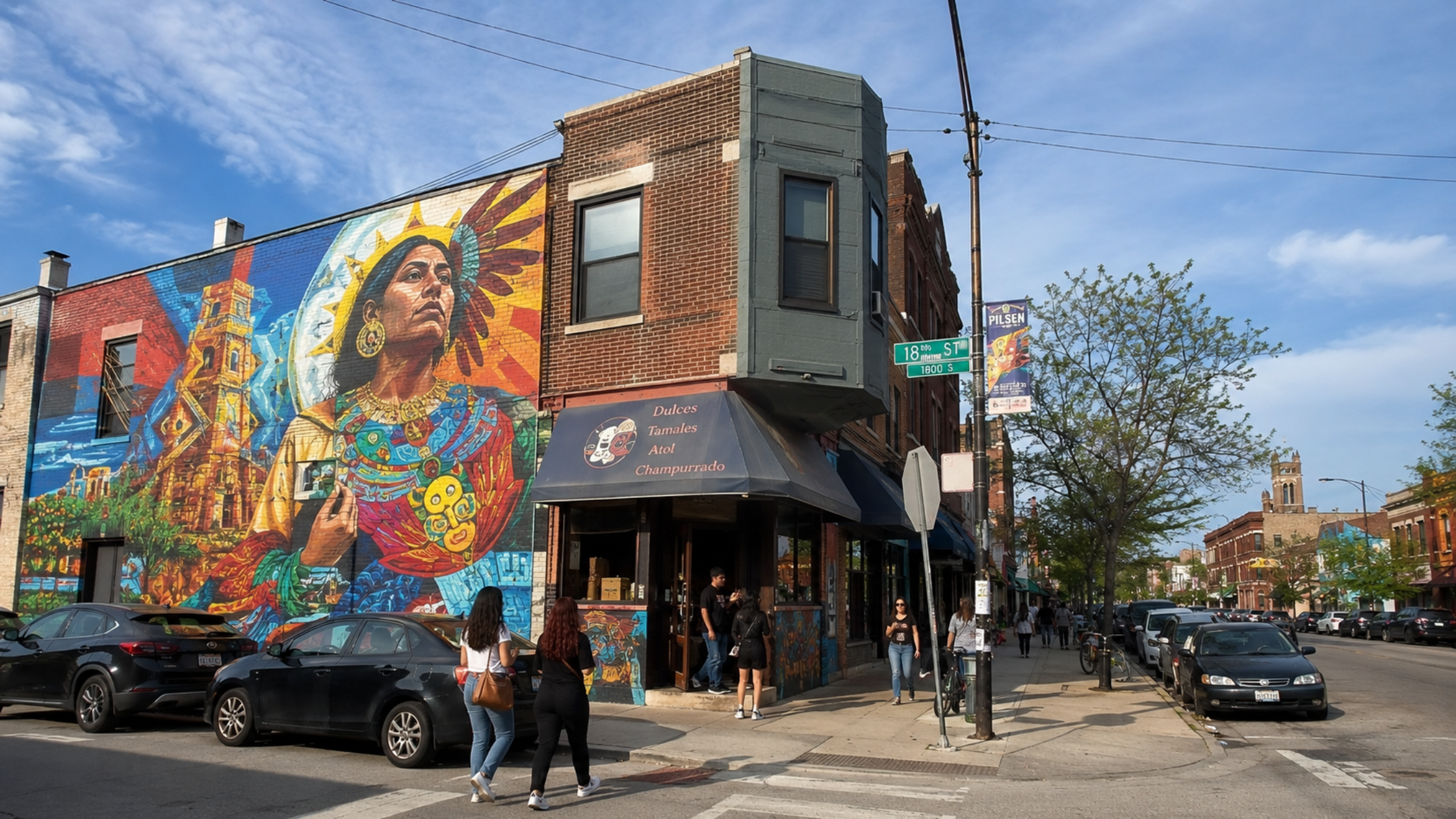
For buyers in Chicago, especially those looking in competitive areas like South Loop, University Village, University Commons, Pilsen, Bridgeport, and nearby downtown neighborhoods, preparation can make a major difference.
A buyer who already understands their budget, financing, grant eligibility, and preferred property type will be in a stronger position when the right home becomes available.
How This Could Impact Chicago Affordability
The biggest challenge for many first-time buyers is not always the monthly mortgage payment. It is the upfront cash needed to cover the down payment, closing costs, inspections, moving expenses, and reserves.
That is why a grant of up to $70,000 can be meaningful. It may help qualified buyers enter the market sooner, preserve savings after closing, or consider homes that previously felt out of reach.
This could be especially helpful for renters who have been paying strong monthly housing costs but have not been able to save enough for a traditional down payment.
What This Means for Chicago Sellers
Although this program is designed for buyers, sellers should watch it too.
More qualified buyers may begin looking for homes that fit the program guidelines. Entry-level condos, townhomes, single-family homes, and two-unit properties could see more attention if they are located in eligible areas and priced within reach of qualified buyers.
For homeowners thinking about selling in Chicago, this may create a larger buyer pool, especially among first-time buyers who were previously held back by upfront costs.
What Buyers Should Do Before Starting the Process
Buyers should not treat the grant as the first step. It should be part of a larger buying strategy.
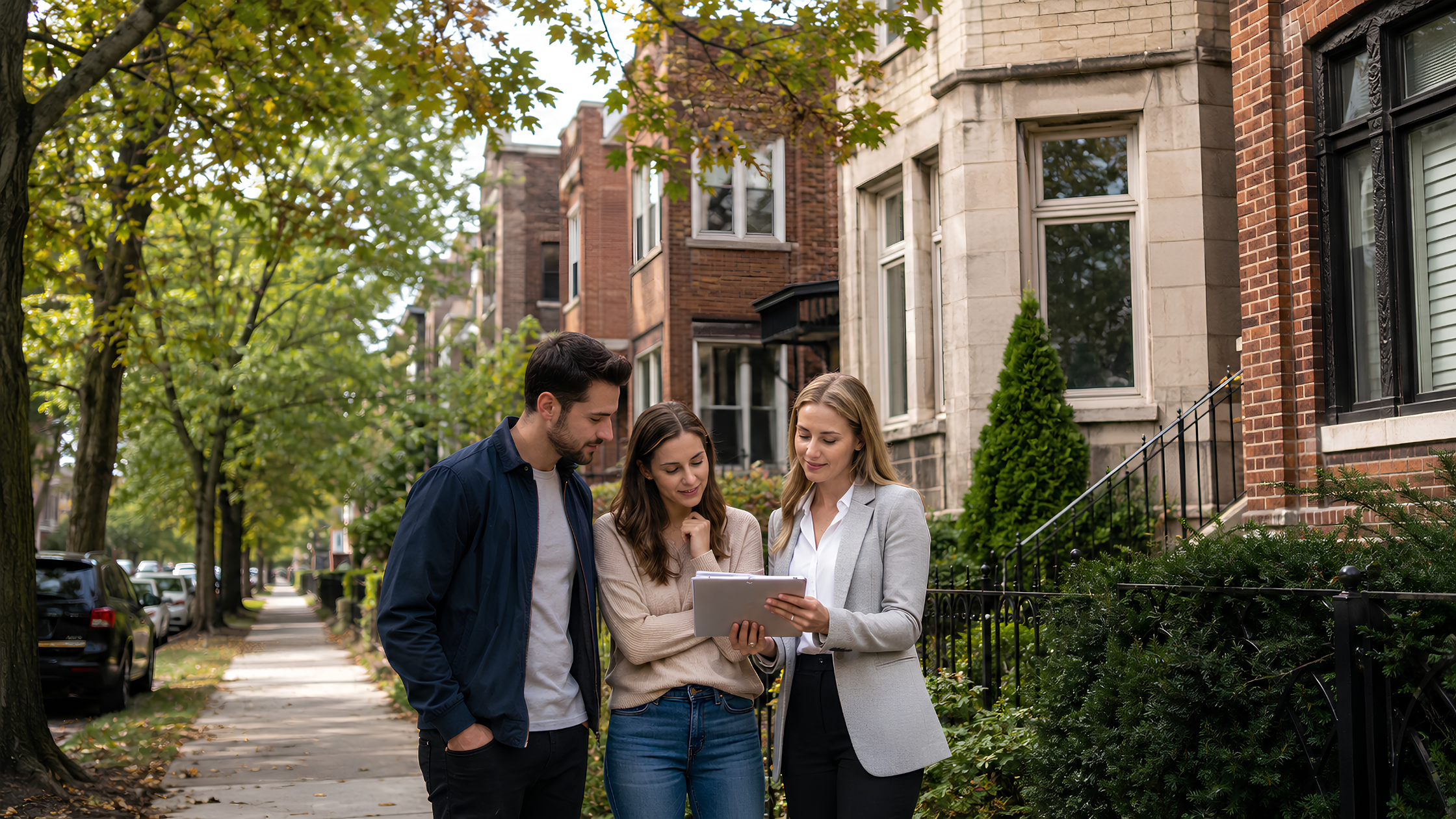
Before applying, buyers should review their income, speak with a trusted lender, complete required homebuyer education, confirm how much they can contribute personally, and work with a local real estate team that understands the Chicago market.
This is especially important because funding is limited, and approval will depend on program guidelines, buyer eligibility, property location, and documentation.
Chicago Buyer Takeaway
The HomeGrown Purchase Assistance Grant could become one of the most important buyer resources in Chicago real estate in 2026.
For eligible buyers, up to $70,000 in assistance may help make the path from renting to owning more achievable. For sellers, it could bring more prepared buyers into the market. For local homeowners, it is another sign that affordability and access to homeownership remain major priorities across the city.
Looking to Buy a Home in Chicago?
Explore available Chicago condos, townhomes, and starter homes, or connect with the Cory Tanzer Group at Option Premier for expert guidance on buyer preparation, neighborhood selection, and what to know before applying for assistance programs like the HomeGrown Purchase Assistance Grant.
More to Explore: One Central Developer Explores Role in Michael Reese Megaproject as June Deadline Nears
Stay Connected
Ranked among the top 1% of real estate teams in the Chicagoland market, Cory Tanzer and the Cory Tanzer Group are experts in helping buyers and sellers navigate today’s market across Downtown Chicago, the North Shore, and the Western Suburbs. Recognized for their neighborhood expertise in areas such as University Village, University Commons, South Loop, and Pilsen, the team helps clients stay one step ahead by understanding where the Chicago market is headed next.
Related Articles