How Long Does It Take To Sell a Chicago Home?
Selling a home in Chicago typically takes anywhere from 30 to 90 days from listing to closing, depending on price point, neighborhood, and market conditions. Knowing how long does it take to sell a Chicago home helps you plan your timeline, reduce stress, and maximize your sale price.
Key Takeaways
The average days-on-market for Chicago homes varies significantly by neighborhood, price range, and season.
Pricing your home correctly from day one is the single biggest factor in reducing time on market.
Homes that are professionally staged and photographed tend to attract offers faster than those that are not.
Spring and early fall are historically the strongest selling seasons in Chicago.
Working with a knowledgeable local brokerage like Option Premier gives you a real edge in a competitive city market.
Pre-listing preparation, including repairs and a proper home valuation, can shave weeks off your selling timeline.
What the Numbers Actually Tell Us About Chicago Home Sales
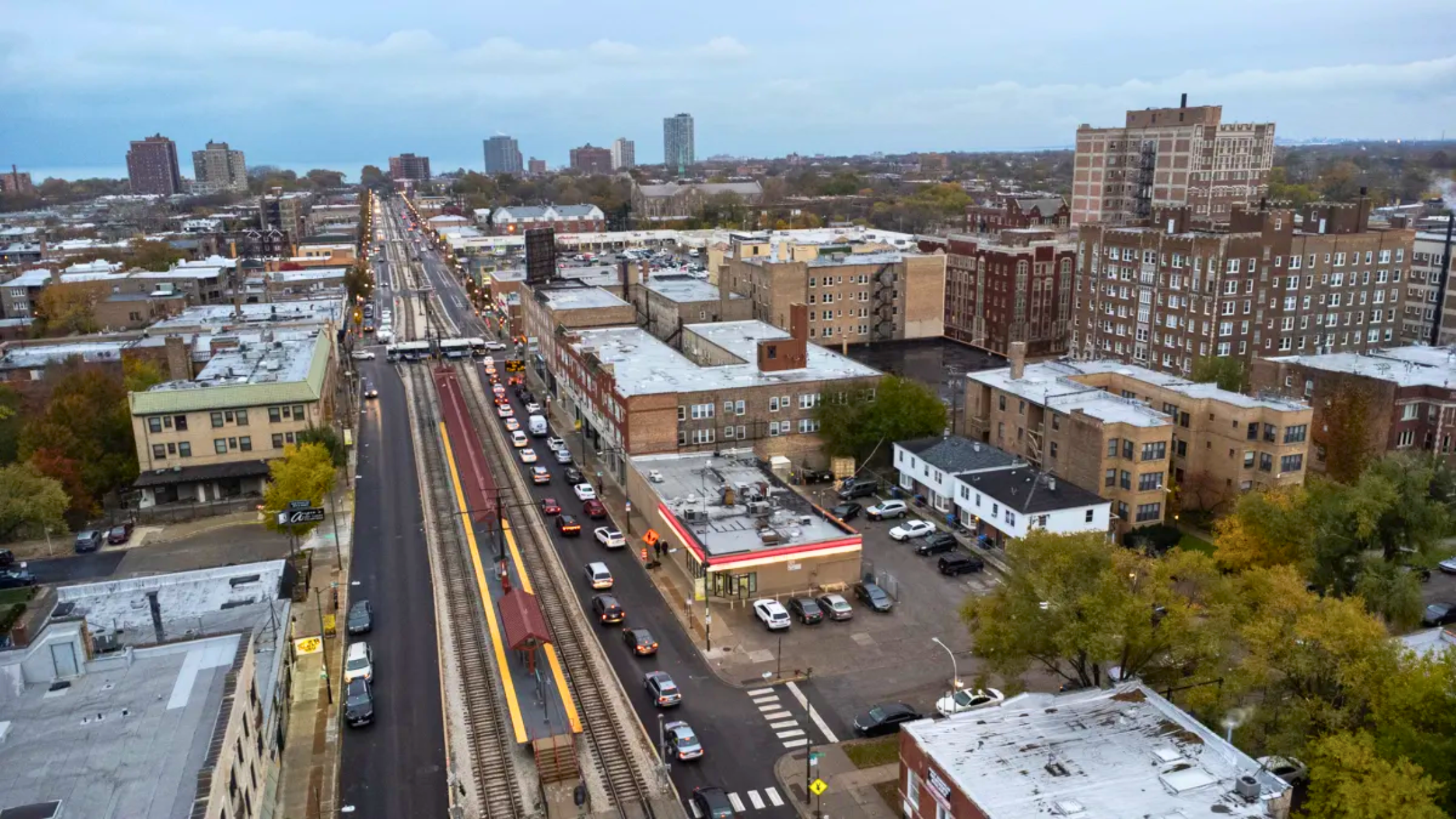
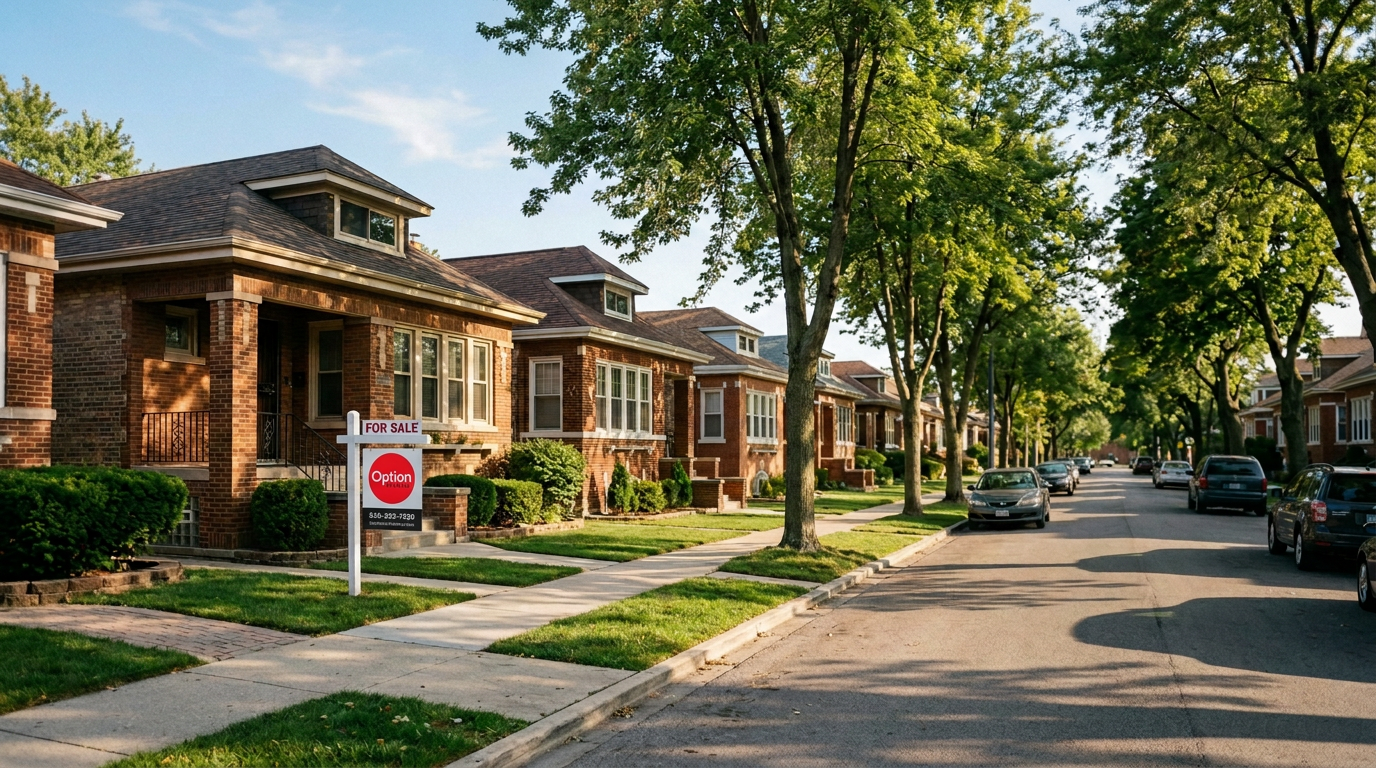
Before we get into the mechanics, it helps to set some context around the broader Chicago market. The city is not a monolith. It spans 77 officially recognized community areas, and home sale timelines can look completely different in Lincoln Park compared to Englewood, or in the South Loop compared to the Near West Side.
In a balanced Chicago market, the median days on market (DOM) for residential properties typically falls somewhere between 45 and 75 days from listing to accepted offer, with another 30 to 45 days needed to close escrow after that. So a full transaction, start to finish, often runs between 60 and 120 days total.
When the market heats up, as it did through much of 2021 and 2022 according to data from the National Association of Realtors, well-priced homes in desirable Chicago neighborhoods were going under contract in under two weeks. When conditions soften, the same home might sit for 60 or 90 days before receiving a serious offer.
The key variables that determine your personal timeline include:
List price relative to comparable sales: Overpriced homes sit. Period.
Property condition and presentation: Deferred maintenance is a buyer repellent.
Neighborhood demand: Some Chicago zip codes see multiple offers in 48 hours; others are slower even in good markets.
Time of year: Chicago has pronounced seasonality in its real estate market.
Marketing quality: Professional photography, MLS exposure, and targeted digital marketing shorten time on market.
For more on how specific areas perform across different times of year, the Option Premier blogs section covers neighborhood-level market insights you won't find in generic national reports.
How Chicago's Seasons Affect Your Sale Timeline
If you've ever spent a February in Chicago, you already understand why winter is the slowest season for home sales. Buyer foot traffic drops, open house attendance shrinks, and motivated sellers sometimes make pricing concessions just to attract offers. That said, winter listings do reach a self-selected pool of serious buyers, which isn't without its advantages.
Spring, running roughly from late March through June, is the traditional peak selling season across Chicago. Inventory rises, but so does buyer demand, and well-prepared homes move quickly. Families want to be settled before the school year starts, which keeps urgency high through early summer.
Fall is a strong second window. Buyers who didn't find what they were looking for in spring re-enter the market, and there's less competing inventory than in peak spring. If you're selling in the fall, our chicago fall home selling tips resource is worth reading before you list, because small seasonal adjustments to presentation and pricing strategy can make a real difference.
Summer varies. June stays active, but July and August tend to soften as families travel and attention drifts away from home shopping.
A practical seasonal breakdown for Chicago sellers:
| Season | Buyer Demand | Avg. Days on Market | Notes |
|---|---|---|---|
| Spring (Mar-Jun) | High | 20-45 days | Best time for top-dollar sales |
| Summer (Jul-Aug) | Moderate | 35-60 days | Vacation season slows traffic |
| Fall (Sep-Nov) | Moderate-High | 30-50 days | Strong second window |
| Winter (Dec-Feb) | Low | 60-90+ days | Fewer buyers, more serious ones |
The Role of Pricing in How Quickly Your Home Sells
Here's what every experienced Chicago broker will tell you: pricing is everything. A home priced 5% above market value can sit for months. A home priced at or slightly below market value often attracts multiple offers within the first week, sometimes selling above asking price as a result.
Getting an accurate, data-driven assessment before you list requires working with the experienced team at your brokerage, and this means looking at recent comparable sales in your specific neighborhood, not citywide averages, accounting for your property's condition, square footage, finishes, and lot characteristics.
The danger zone for sellers is the second or third price reduction. Every price drop signals to buyers that the home may have issues, even if it doesn't. Homes that sit and then reduce tend to sell for less than they would have if priced correctly from the start. According to the Consumer Financial Protection Bureau, sellers who work with experienced local agents tend to navigate pricing strategy more effectively than those who list independently.
A few pricing principles that hold up in the Chicago market:
Price in round numbers just below a search threshold (e.g., $399,000 instead of $410,000) to catch more online searches.
Use recent sales from the last 90 days, not six months ago, especially in a shifting market.
Factor in the competition currently active on the MLS, not just sold comps.
Neighborhood Matters More Than You Think
Chicago's neighborhoods have wildly different supply-demand dynamics. Understanding how long does it take to sell a Chicago home in your specific zip code requires local knowledge that goes beyond Zillow estimates.
In neighborhoods like the South Loop, buyer interest tends to stay strong year-round because of proximity to the Loop, lakefront access, and a dense population of young professionals and renters-turned-buyers. For context on what draws people to that area, our living in south loop chicago post breaks down the lifestyle factors that make it consistently competitive.
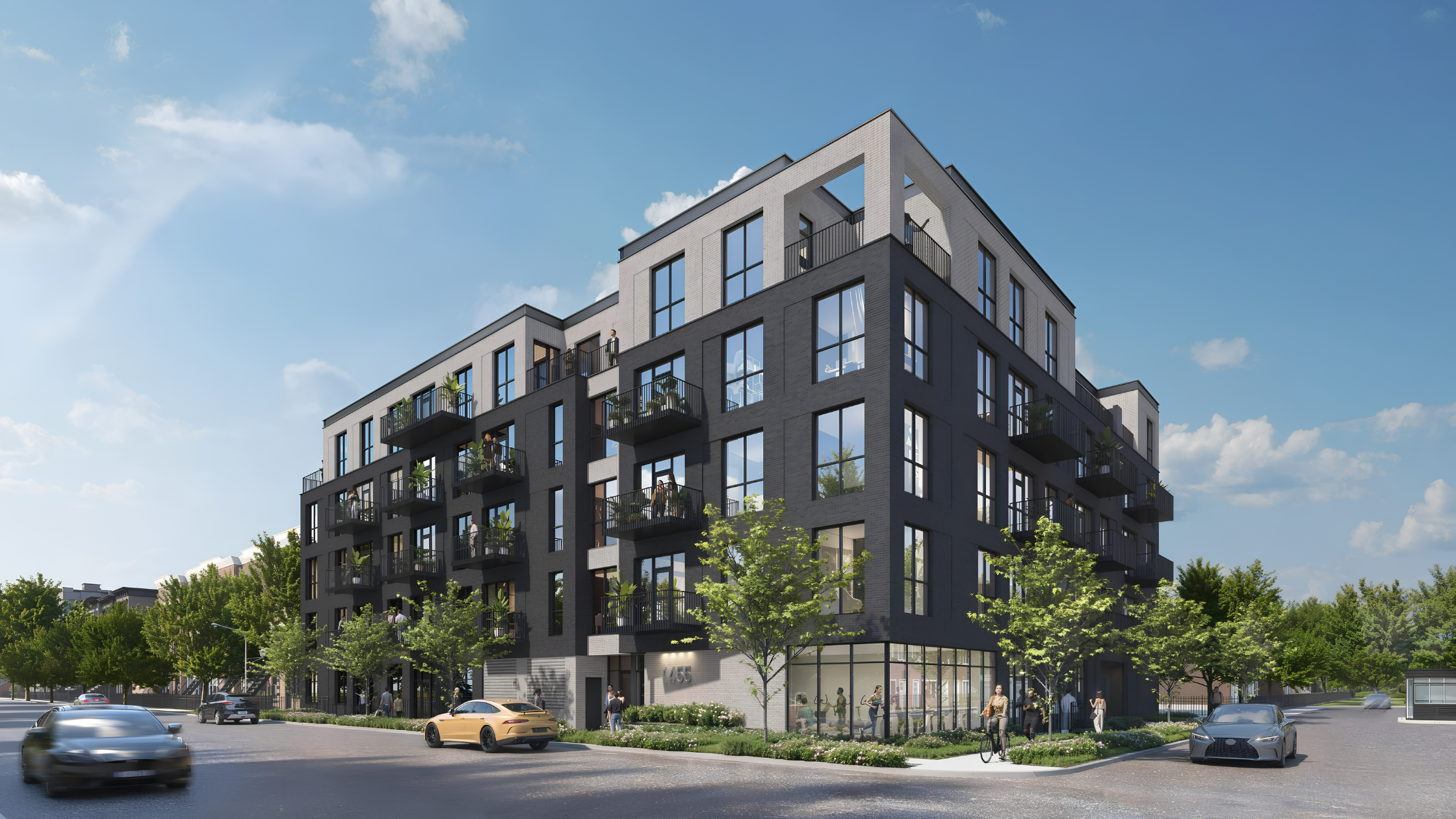
The Near West Side is another example of a neighborhood with strong sustained demand. The 1455 W Fillmore corridor, for instance, reflects the kind of modern rental and condo development that attracts buyers looking for walkable urban living with our 1455 w fillmore near west side apartments piece giving you a ground-level view of what buyers find appealing there.
Contrast that with some far South Side or far Northwest Side neighborhoods, where days on market can run considerably longer even for well-priced homes, because the buyer pool is smaller and financing challenges are more common. That doesn't mean you can't sell quickly there, but your strategy needs to be calibrated accordingly.

What Sellers Can Do to Shorten Their Timeline
This is where preparation pays off. The sellers who close fastest in Chicago are almost never the ones who listed on a whim. They did the pre-work. Here's what actually moves the needle:
Pre-listing inspection: Identifying issues before buyers do removes negotiation delays and keeps deals from falling apart after contract signing. According to the U.S. Department of Housing and Urban Development, properties that enter escrow in better condition are significantly less likely to experience transaction delays due to inspection contingencies.
Professional photography and video: Listings with high-quality photos receive more online views, more showings, and more offers. This is not a place to cut costs.
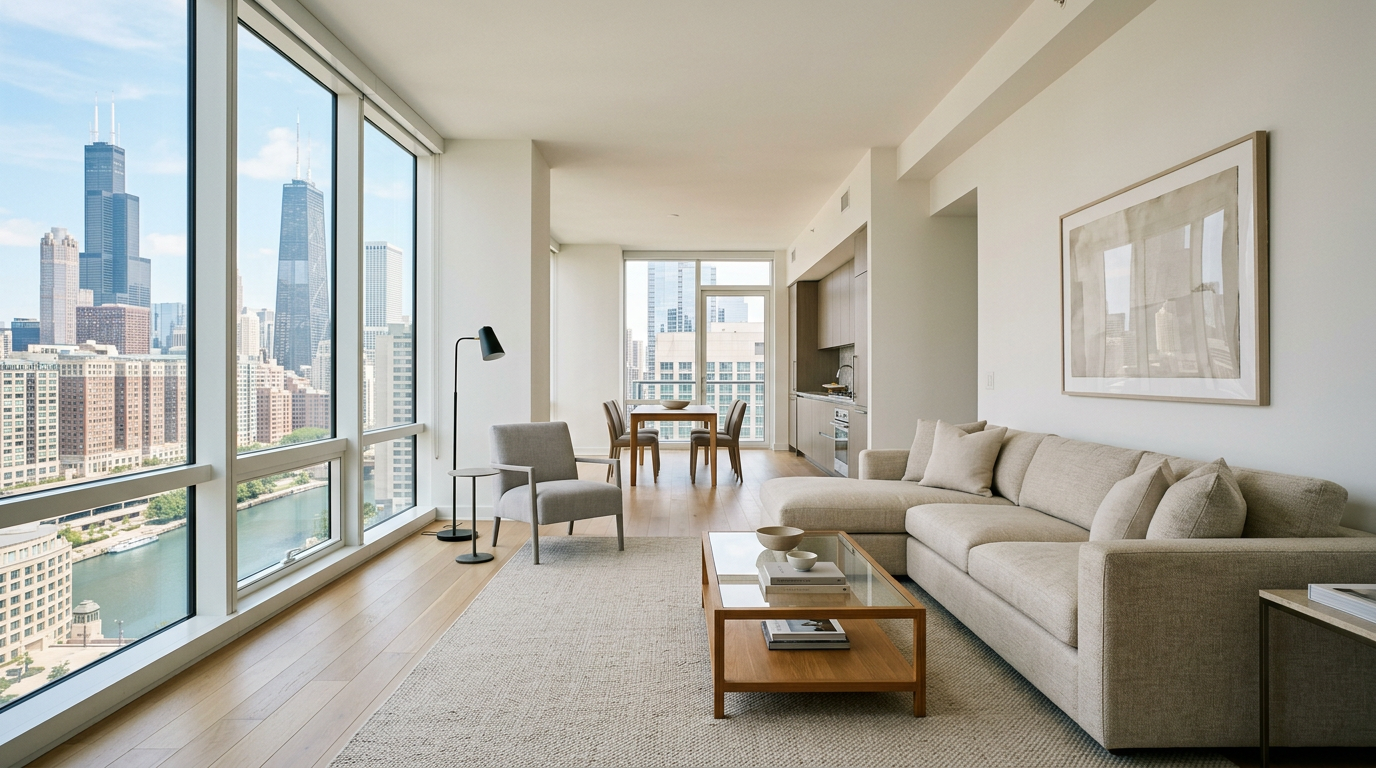
Staging: Staged homes help buyers visualize the space and tend to sell faster and for higher prices than vacant or cluttered homes. Even light staging, like decluttering and rearranging furniture, makes a measurable difference.
Strategic listing timing: As we discussed, listing in late March or early September positions you at the front of a buyer wave rather than chasing one.
Experienced local representation: This one is hard to overstate. Working with brokers with deep neighborhood-level knowledge across Downtown Chicago, the Near West Side, the South Side, and the suburbs translates directly into pricing accuracy, negotiation effectiveness, and faster closings.
The Closing Process: What Happens After Your Offer Is Accepted
Once you accept an offer, you're not done yet. Closing in Illinois typically takes 30 to 45 days after the contract is executed, assuming financing is involved. Cash deals can close faster, sometimes in as little as two weeks.
Here's what fills those 30 to 45 days:
Attorney review period: Illinois is an attorney review state, meaning both parties have 5 business days after contract signing to have an attorney review the agreement. This is standard and expected.
Inspection period: Buyers typically have 5 to 10 business days to conduct a home inspection and request repairs or credits.
Appraisal: If the buyer is using a mortgage, the lender will order an appraisal. This can take one to two weeks to schedule and complete.
Loan underwriting: The lender reviews the buyer's financials and the property details. This phase often introduces the most delays.
Final walkthrough and closing: The buyer does a final walkthrough, and both parties sign closing documents.
Understanding this timeline helps sellers set realistic expectations. Even in a hot market where you accept an offer in three days, you're still looking at six to eight weeks from list date to keys changing hands.
For authoritative guidance on Illinois real estate transaction laws, the Illinois Department of Financial and Professional Regulation is a reliable reference for understanding your rights and obligations as a seller.

Ready to Sell Your Chicago Home Faster? Call the Cory Tanzer Group Today
The clock starts ticking the moment your home hits the market, and every day it sits costs you money, energy, and negotiating power. Whether you're selling a vintage two-flat in University Village, a condo in the South Loop, or a single-family home on the Near West Side, the Cory Tanzer Group at Option Premier has the neighborhood knowledge and proven strategy to get your home priced right, marketed effectively, and closed efficiently.
Call Cory Tanzer directly at (312) 218-4483 or reach the Option Premier office at (312) 500-5808 to schedule your personalized seller consultation and get your home moving.
Frequently Asked Questions
-
The full process, from listing day to closing, typically takes between 60 and 120 days in Chicago, depending on market conditions, price point, and neighborhood demand.
Once you list, the time to receive an accepted offer can range from a few days in a hot market to several weeks in a slower one. After the offer is accepted, Illinois closings generally take an additional 30 to 45 days to complete due to attorney review, inspections, appraisals, and mortgage underwriting. If you are selling to a cash buyer, that post-contract window can shrink to as little as two weeks.
-
Spring, particularly from late March through June, is consistently the strongest selling season in Chicago for both speed and sale price.
Buyer demand peaks during spring as families look to relocate before the new school year, and inventory competition, while higher, is offset by a much larger pool of motivated buyers. Early fall, from September through October, is a reliable second window with less competing inventory and buyers who are serious about closing before the holiday season. Winter listings are possible but tend to attract fewer showings and require more patience.
-
Yes, significantly. Chicago's 77 community areas have very different supply-demand dynamics, and days on market can vary widely from one zip code to the next.
High-demand areas like Lincoln Park, Wicker Park, the South Loop, and parts of the Near West Side tend to see faster sales because buyer interest in those neighborhoods remains strong year-round. More affordable or transitional neighborhoods may have smaller buyer pools, which means homes sit longer even when they are priced correctly. A local broker who specializes in your specific area will always give you a more accurate timeline estimate than a citywide average.
-
Pricing your home accurately from day one is the single most effective thing you can do to reduce your time on market.
Beyond pricing, pre-listing preparation makes a major difference. This includes completing a pre-listing home inspection to eliminate surprises, investing in professional photography and video, decluttering and staging the home to help buyers connect emotionally with the space, and timing your listing to hit the market at the start of a buying wave rather than mid-season. Sellers who work with an experienced local agent who knows how to negotiate, market, and manage timelines consistently close faster than those who go it alone or work with an agent unfamiliar with the neighborhood.
-
Illinois law gives both the buyer and seller five business days after contract signing to have an attorney review and potentially modify or cancel the agreement, which adds a layer to the closing process that sellers in other states may not expect.
This attorney review period is standard practice in Illinois and should be factored into your timeline from the start. While most reviews conclude without major changes, complex transactions or disagreements over contract terms can extend this phase. After attorney review closes, the inspection period, appraisal, and mortgage underwriting still need to run their course before you reach the closing table. Sellers who understand this sequence upfront tend to manage stress and expectations far better than those who are surprised by it mid-transaction.
The Bottom Line on How Long Does It Take to Sell a Chicago Home
Selling a home in Chicago is rarely a one-size-fits-all experience, but it is a predictable one when you understand the variables at play. Pricing accuracy, property condition, neighborhood demand, season, and the quality of your representation all work together to determine whether your home sells in two weeks or two months. The sellers who move fastest are the ones who prepare before they list, price with data rather than emotion, and work with someone who knows their specific corner of the city.
If you are ready to get a clear, honest picture of what your home is worth and how quickly it could realistically sell, reach out to the Cory Tanzer Group at Option Premier. Call (312) 218-4483 or contact the office at (312) 500-5808, and take the first step toward a faster, smoother Chicago home sale.
More to Explore: 7 Best Concrete Loft Buildings in Chicago: Local Picks for Buyers
Looking for homes, condos, or investment opportunities in Chicago?
Start Your Search With Option Premier
Visit Option PremierStay Connected
Ranked among the top 1% of real estate teams in the Chicagoland market, Cory Tanzer and the Cory Tanzer Group are experts in helping buyers and sellers navigate today’s market across Downtown Chicago, the North Shore, and the Western Suburbs. Recognized for their neighborhood expertise in areas such as University Village, University Commons, South Loop, and Pilsen, the team helps clients stay one step ahead by understanding where the Chicago market is headed next.
Related Articles