Selling Your Chicago Home Next Spring? Start Preparing This Fall
If you want to prepare your home to sell in spring, the smartest move you can make right now is to start in fall. Most sellers wait until January or February, scramble to get everything done, and end up rushing decisions that cost them time and money.
Key Takeaways
Fall is the ideal window to take exterior listing photos before trees go bare and curb appeal drops.
Starting your pre-listing preparation in fall gives you four to six months to complete repairs, updates, and staging without pressure.
The Chicago spring real estate market moves fast — buyers are active from late February through June, so being ready early matters.
A fall consultation with a real estate professional helps you set a realistic price, prioritize improvements, and build a marketing plan.
Sellers who prepare early typically have cleaner listings, stronger photos, and more negotiating power.
Chicago condos carry unique pre-listing considerations like chicago condo special assessments that require extra lead time to address.
The gap between thinking about selling and actually being ready to list is larger than most homeowners expect. Between repairs, decluttering, professional photography, pricing strategy, and paperwork, there are easily a dozen moving pieces that need to come together before your home hits the market, and fall gives you a comfortable runway to handle all of them without cutting corners through resources on your team.

Why the Chicago Spring Market Rewards Early Preparation
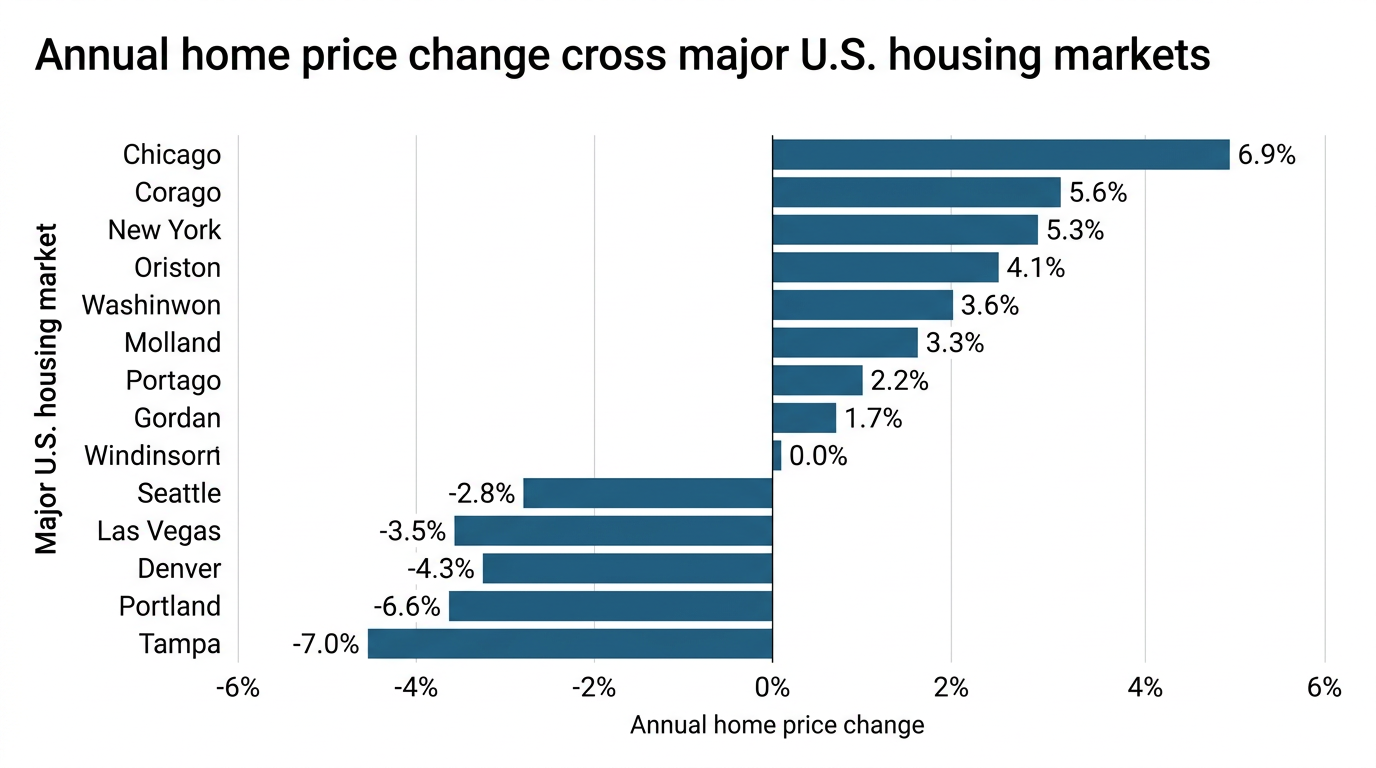
Spring is consistently the most competitive selling season in Chicago. Buyer demand picks up sharply in late February and runs through June, with March and April typically seeing the highest volume of serious, pre-approved buyers entering the market. Inventory also rises during this period, which means your home is competing directly against a wave of freshly listed properties.
The sellers who stand out are the ones who listed with clean, polished presentations from day one. According to the National Association of Realtors, homes that are well-prepared before listing tend to spend fewer days on market and attract offers closer to the asking price, and you can explore more information through our blogs. That edge doesn't happen by accident — it's the product of months of deliberate preparation.
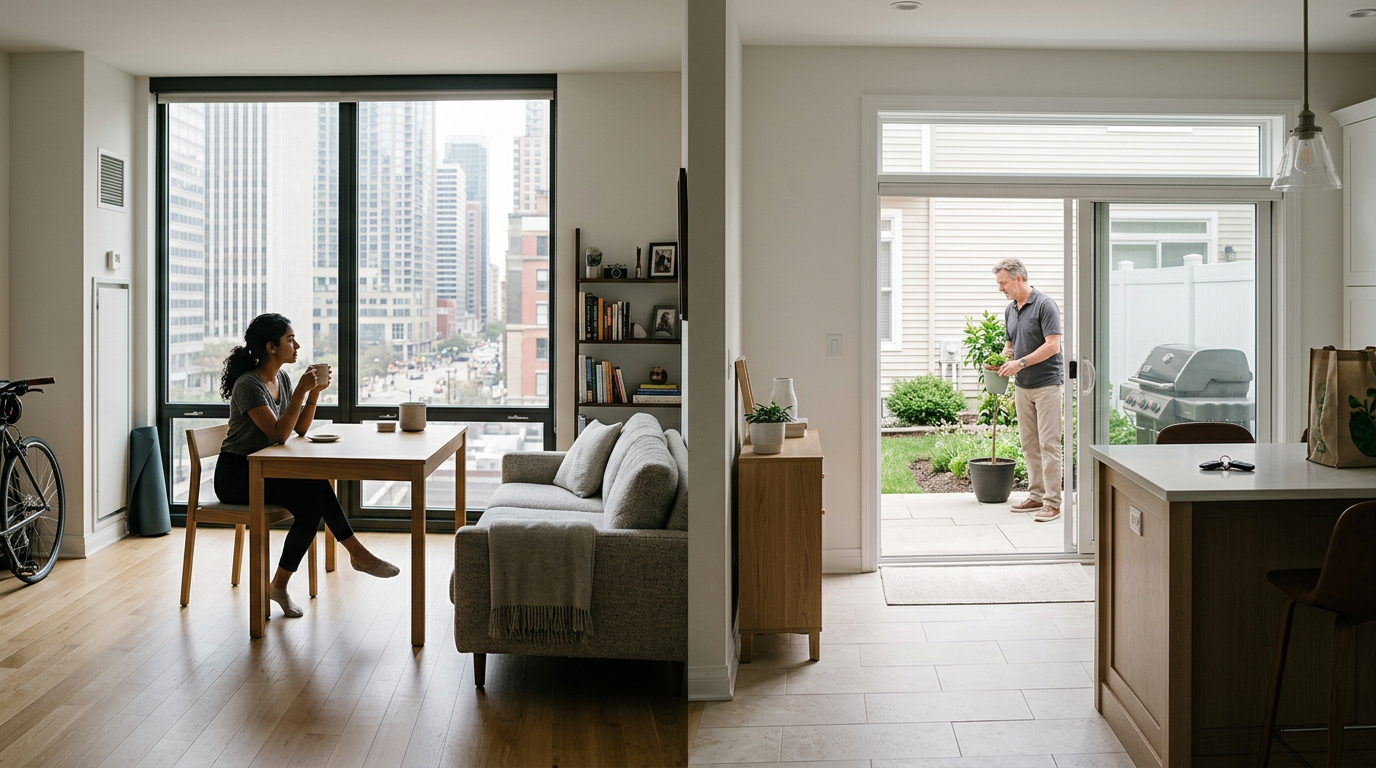
Chicago's market also has some specific dynamics worth understanding. Condo buyers in neighborhoods like the West Loop, River North, and Lincoln Park are often well-researched and financially sophisticated. They scrutinize HOA finances, assess building conditions, and compare cost structures across buildings, much like what you'll find when reviewing chicago vs new york condo costs.
The Case for Taking Exterior Photos in Fall
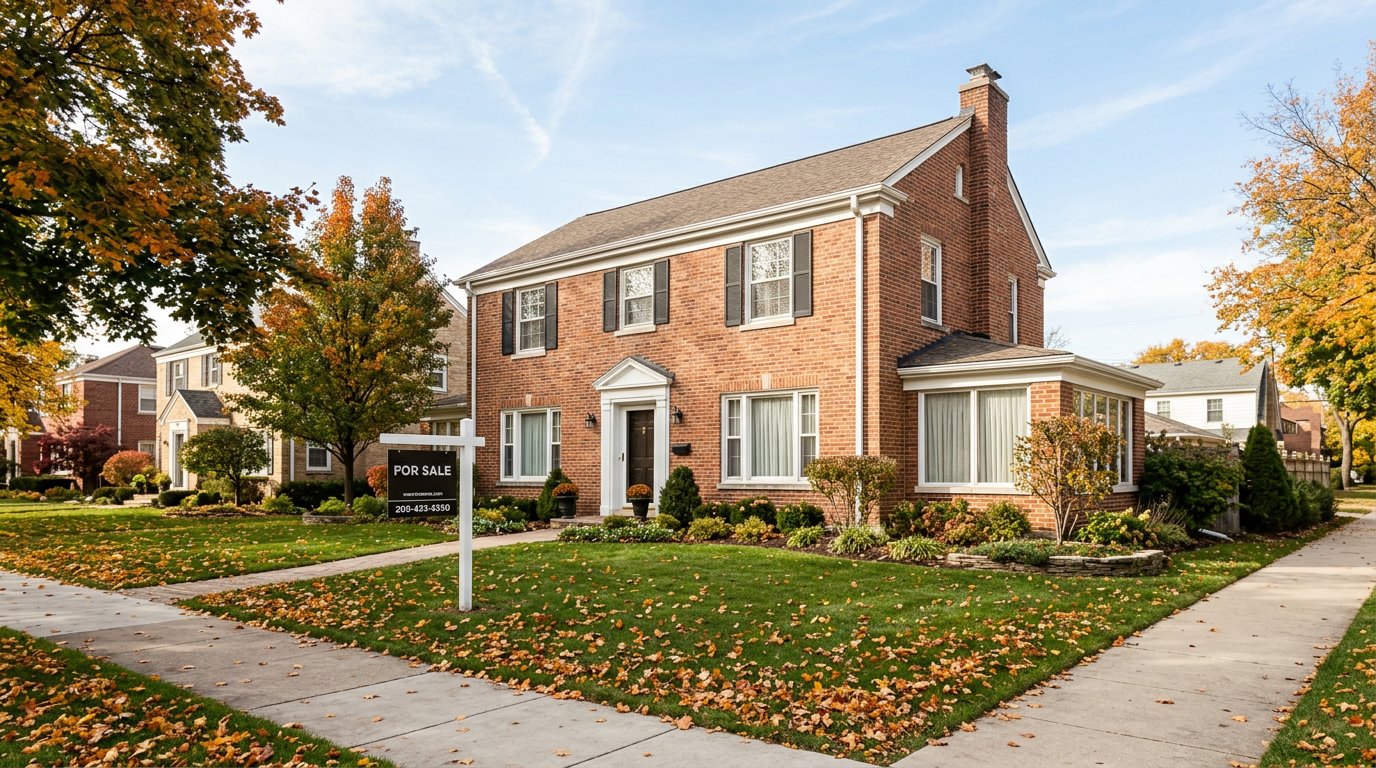
Here's a piece of advice that surprises a lot of sellers: take your exterior listing photos before winter arrives.
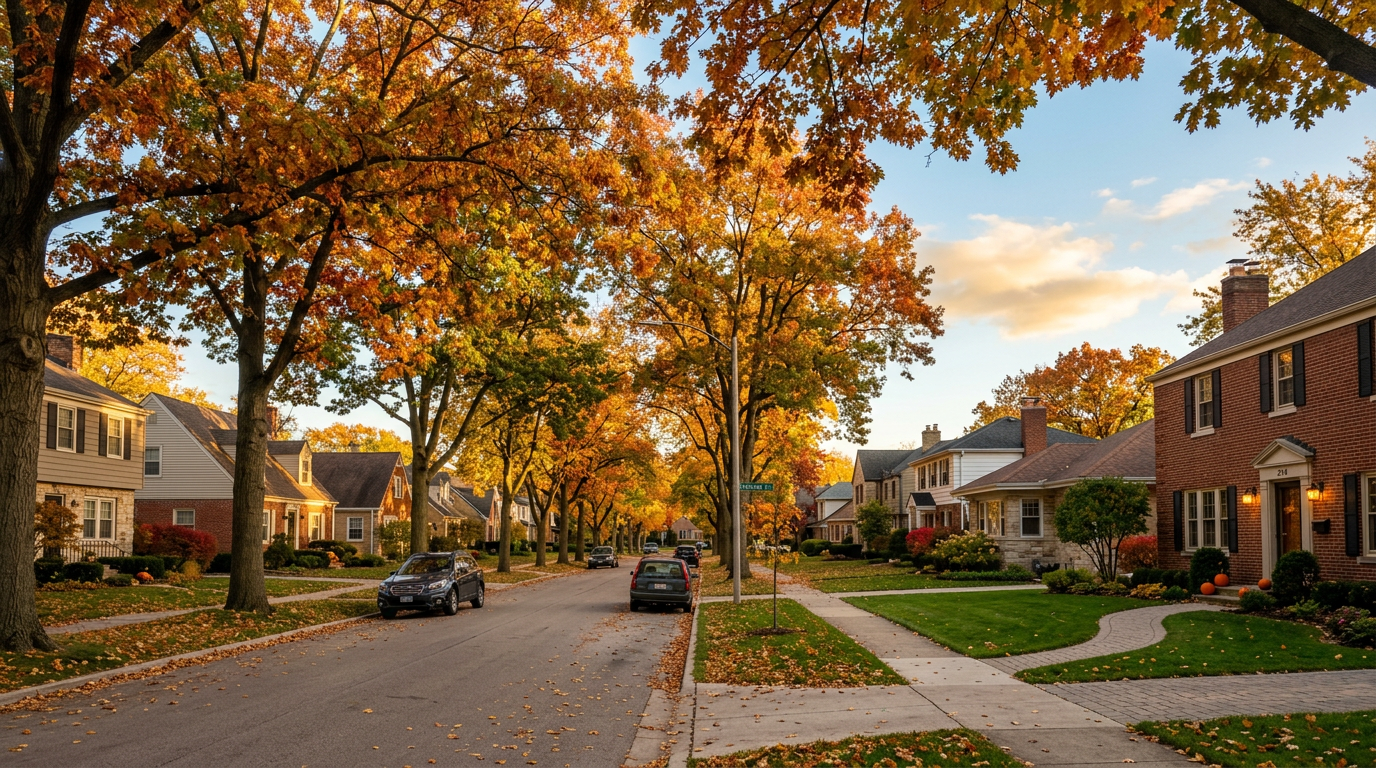
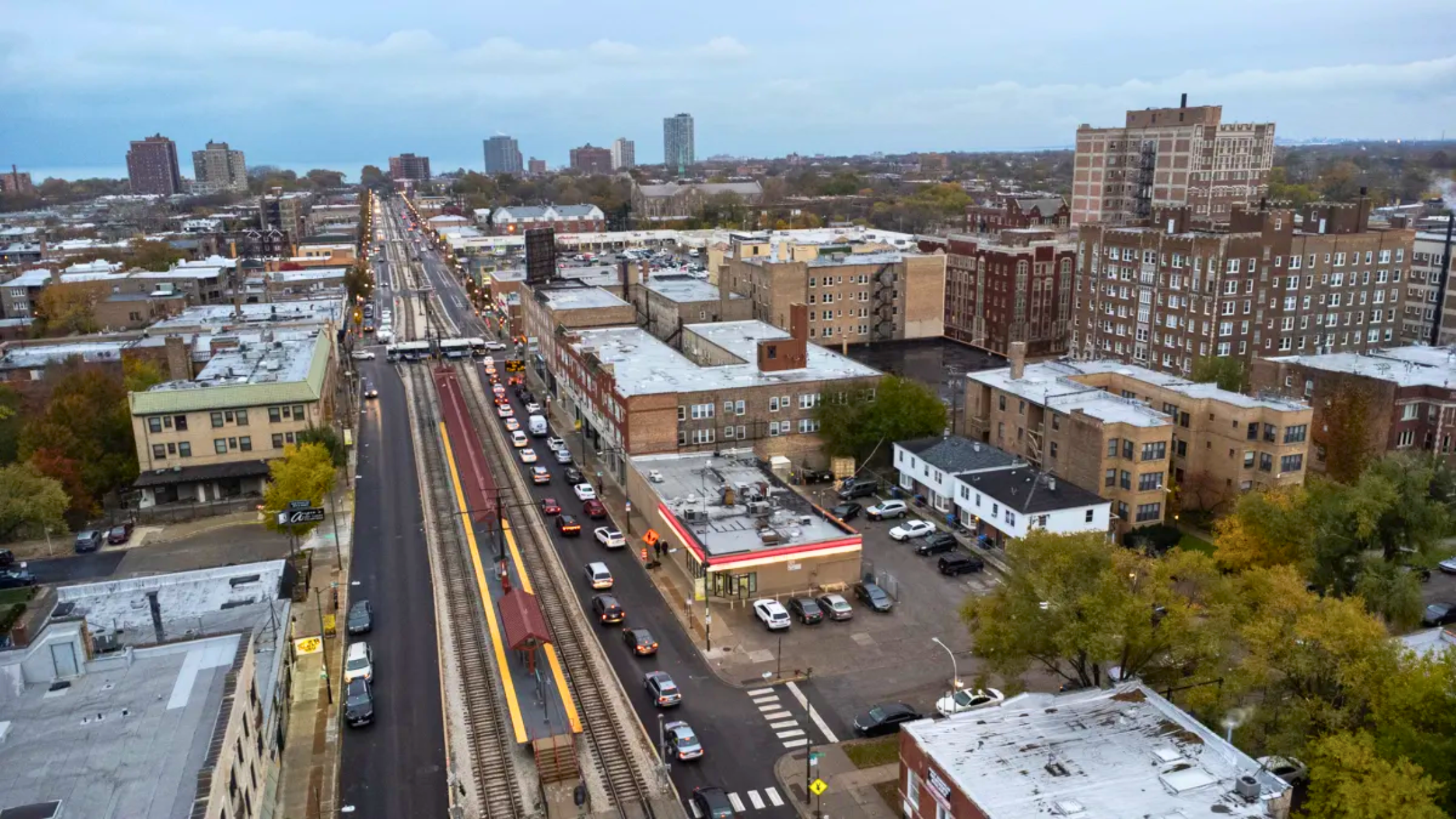
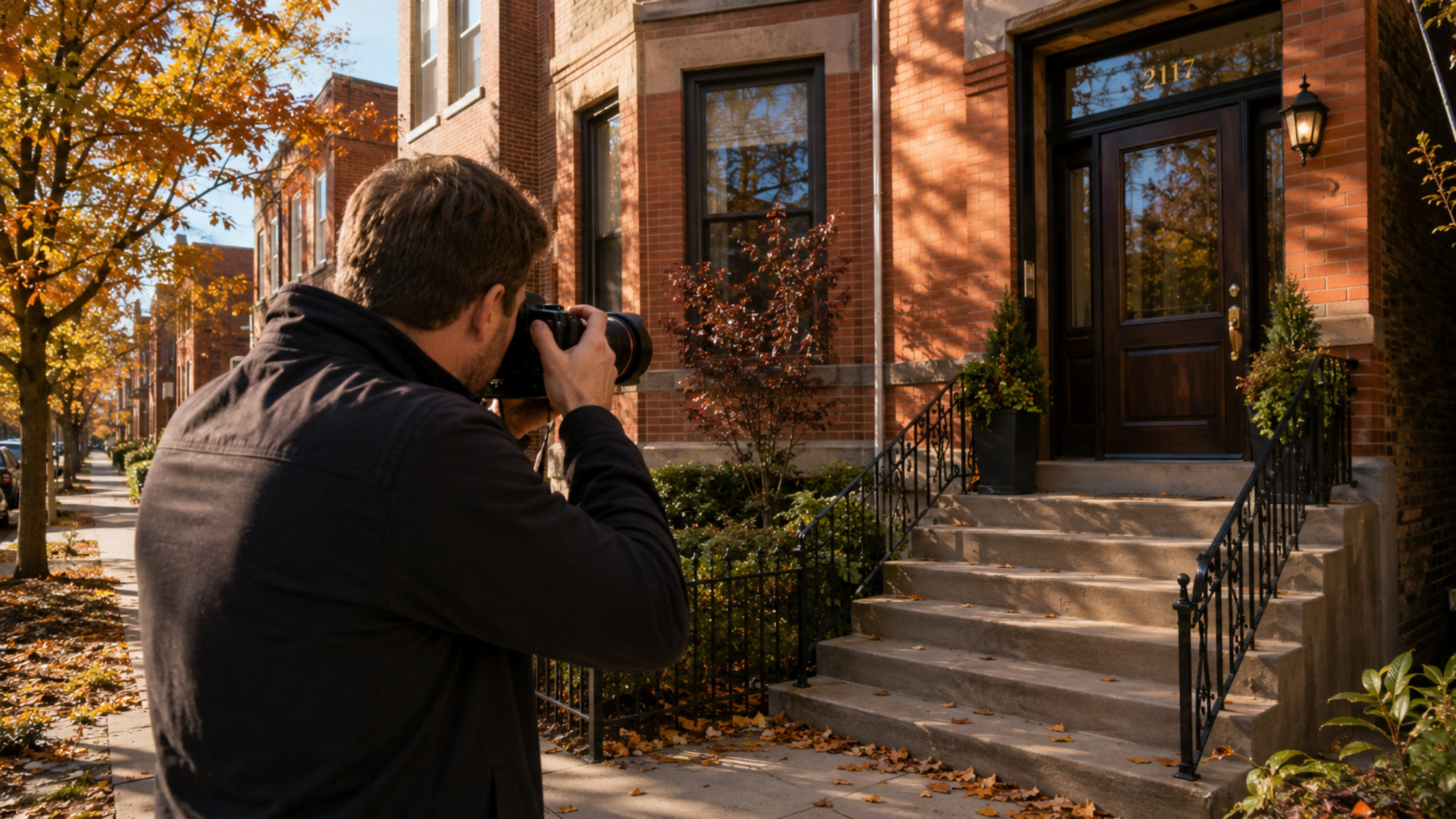
Most people assume listing photos happen right before the home goes on the market. For interior shots, that's generally fine. But exterior photos tell a different story depending on the season. In fall, before the trees go bare, you can capture lush green or golden foliage, warm natural light, and a vibrant streetscape that makes the property look genuinely inviting.
By contrast, photos taken in February or March in Chicago often show grey skies, leafless trees, patches of dirty snow on the sidewalk, and flat, muted light. Those images are technically accurate, but they don't sell the lifestyle your home has to offer.
Real estate photographers who work in Chicago's neighborhoods know that October and early November provide some of the best natural conditions for exterior shots. The light is warm and directional, shadows are softer than in summer, and the neighborhood scenery adds visual richness to every frame. If your home has any outdoor features — a landscaped front yard, a rooftop deck, a rear garden, a parking pad — now is the time to document them at their best.
A Realistic Fall-to-Spring Preparation Timeline
Knowing what to do is only half the equation. Knowing when to do each thing is what keeps you from feeling overwhelmed. Here's a practical breakdown of how to sequence your preparation.
| Timeframe | Key Actions |
|---|---|
| October / November | Take exterior photos, schedule listing consultation, get a home valuation |
| November / December | Complete repairs, address deferred maintenance, declutter storage areas |
| December / January | Paint, replace fixtures, deep clean, organize paperwork |
| January / February | Stage the home, schedule interior photography, finalize pricing strategy |
| Late February / March | List the property, begin showings |
This timeline assumes a March or April listing, which is squarely in the heart of the Chicago spring market. If you're targeting May or June instead, you have slightly more flexibility, but the earlier you start, the better positioned you'll be.
One thing sellers often overlook in this window is the paperwork and disclosure side of selling. If you own a condo, this includes reviewing your HOA financials, understanding any pending assessments, and gathering the documents buyers will request during due diligence. Starting these conversations with your agent in fall means you're not scrambling for documents in February.
Repairs and Updates That Actually Move the Needle
Not every improvement you could make to a home is worth making before you sell. Sellers often over-invest in renovations that don't return their full cost at sale, and under-invest in smaller fixes that buyers notice immediately.
Here are the categories that consistently make a difference in Chicago listings:
Curb appeal: Fresh landscaping, a painted front door, and clean exterior trim all increase first impressions for buyers arriving at showings or browsing photos online.
Kitchen and bathroom surfaces: You don't need a full renovation. Replacing cabinet hardware, updating faucets, and re-caulking tile grout are low-cost updates that make spaces feel cared for.
Lighting: Swapping outdated fixtures for clean, modern alternatives is one of the highest-ROI cosmetic changes a seller can make. It also photographs better.
Flooring: If your hardwood floors need refinishing, fall is the right time to do it. It's a messy process that requires the home to be vacated for a few days, so getting it done early avoids conflicts with your listing timeline.
Mechanical systems: HVAC servicing, water heater inspection, and any deferred plumbing repairs should be done before buyers ask about them in inspection reports.
The goal is to present a home that feels move-in ready without necessarily being freshly renovated. Buyers in Chicago's price ranges are discerning, but they're also realistic. What they want to see is a well-maintained property that won't surprise them with expensive problems after closing, and you can find guidance on what updates are worth pursuing through home valuation resources and professional consultation.

When to Contact a Realtor If You're Selling Next Spring
The answer is: sooner than you think.
Most sellers assume a Realtor is someone you call when you're ready to list. In reality, the relationship works best when it starts months earlier. A good real estate professional helps you prioritize which improvements to make, gives you an honest assessment of your home's current condition, and builds a pricing and marketing strategy based on how the market is likely to look when you actually list.
Starting with a free consultation that includes a home valuation is a practical first step. It gives you a baseline number to work from, helps you understand how your home compares to recent sales in your area, and lets you make smarter decisions about how much to invest in pre-listing improvements.
According to Zillow Research, homes that are listed early in the spring selling season tend to sell faster and for higher prices than those listed later in the cycle. Entering the market in March rather than May can meaningfully affect both your timeline and your final sale price.

Understanding Chicago's Unique Pre-Listing Landscape
Chicago has some quirks that make early preparation especially important compared to other U.S. cities. The housing stock is older on average, which means deferred maintenance issues are more common. Transfer taxes, attorney review periods, and HOA document requirements add steps to the closing process that sellers in newer markets don't always anticipate.
Chicago also has a strong condo market concentrated in specific neighborhoods, each with its own pricing dynamics, buyer profile, and competitive landscape. If you're selling in the West Loop, Wicker Park, Lincoln Square, or Hyde Park, the preparation strategy should reflect what buyers in that specific area expect.
For sellers navigating a condo sale, the U.S. Department of Housing and Urban Development provides resources on HOA regulations and condominium financing requirements that can be helpful during the due diligence phase.
A Pre-Listing Checklist for Chicago Spring Sellers
Use this list to track where you stand and what still needs attention before your home goes on the market.
Schedule a fall exterior photo session while trees still have leaves
Book a pre-listing consultation with a Chicago real estate professional
Request a home valuation to establish your pricing baseline
Walk through the home room by room and note any deferred maintenance
Gather HOA documents and financials if selling a condo
Declutter closets, storage areas, and common spaces
Identify which cosmetic updates to prioritize before listing
Plan for interior photography after staging is complete
Review the local market with your agent to confirm your target list date
This list isn't meant to be overwhelming. It's meant to show that when each task is handled in sequence, the whole process feels manageable rather than chaotic. The sellers who feel most confident at listing time are almost always the ones who started early.
Things to Know
Fall exterior photos can be stored and used for a spring listing — you don't need to retake them just because months have passed between the shoot and the list date.
Chicago's attorney review period typically adds several days to the contract process after an offer is accepted, so build that into your expected closing timeline.
HOA meeting minutes, reserve fund reports, and any pending litigation documents must be disclosed to buyers in a condo sale — gathering these in fall saves significant stress later.
Painting the interior of your home before photography can increase perceived value, but the paint needs time to fully cure and off-gas before showings begin, which is another reason to handle it early.
Price reductions are far more common among sellers who listed without adequate preparation — a rushed listing often leads to a stale listing, which leads to negotiating from a weaker position.
Chicago's transfer tax structure is one of the highest among major U.S. cities, so understanding your net proceeds before you list is critical — your agent and a real estate attorney should walk you through this well in advance of your target list date.
Start Your Spring Sale Strategy Before Winter Arrives
If you're serious about selling next spring, the window to act is right now. Every week you wait in fall is a week of preparation time you won't get back, and the sellers who enter the Chicago spring market with polished listings, strong photos, and a clear pricing strategy consistently outperform those who rushed to list.
Call the Cory Tanzer Group at Option Premier today at (312) 218-4483 and schedule your fall pre-listing consultation before your best exterior photos are off the table.
Frequently Asked Questions
-
The best time to prepare your home to sell in spring is the previous fall, ideally between September and November.
This gives you enough runway to complete repairs, take exterior photos while the landscaping still looks its best, and work through any HOA or disclosure paperwork without pressure. Sellers who start in fall routinely have a smoother, more profitable listing experience than those who begin in January or February.
-
Yes, and exterior shots in particular are significantly better when taken in fall than in a Chicago winter.
Photos captured in October or early November benefit from warm natural light, colorful foliage, and a street environment that feels lively and inviting. Winter exteriors — with bare trees, grey skies, and residual snow — technically show the property but don't sell the lifestyle. You can store your fall exterior photos and pair them with fresh interior shots taken closer to your list date.
-
The repairs worth making are those that either prevent buyer objections during inspection or meaningfully improve first impressions without exceeding their return at sale.
High-priority items typically include HVAC servicing, plumbing fixes, fresh interior paint, updated lighting fixtures, and cosmetic kitchen and bathroom improvements. Full gut renovations rarely return their full cost in a sale scenario. Your real estate agent should walk you through a pre-listing assessment and help you prioritize based on what buyers in your specific neighborhood and price range actually expect to see.
-
Condo sales in Chicago involve an additional layer of documentation and buyer scrutiny around HOA finances, building reserves, and any pending or recent special assessments.
Buyers and their lenders will request HOA meeting minutes, reserve fund studies, insurance certificates, and financial statements. If there are unresolved special assessments or litigation involving the building, those must be disclosed and can affect a buyer's financing approval. Starting the document-gathering process in fall rather than the week before closing is a meaningful advantage that reduces the risk of deals falling apart during attorney review.
-
A home valuation completed in fall gives you a realistic pricing baseline and helps you make smarter decisions about which improvements are actually worth the investment.
Knowing where your home sits in the current market tells you whether you're pricing competitively, whether there's room to invest in updates that push you into a higher price bracket, or whether the return on certain renovations simply isn't there. It also gives you and your agent time to refine the pricing strategy as market conditions evolve between fall and your spring list date, rather than locking in a number under pressure at the last minute.
The Bottom Line on Preparing Your Home to Sell in Spring
Spring listings that stand out in Chicago's competitive market don't happen by accident — they're built over several months of deliberate, sequenced preparation. The sellers who wait until January to start thinking about this are already behind the sellers who walked through their home in October with a checklist and a real estate professional by their side.
If you're planning to list next spring, reach out to the Cory Tanzer Group at Option Premier now at (312) 218-4483 or visit optionpremier.com to schedule a fall consultation, request a home valuation, and start building the strategy that puts you in the strongest possible position when Chicago's spring market opens its doors.
Looking for homes, condos, or investment opportunities in Chicago?
Start Your Search With Option Premier
Visit Option PremierStay Connected
Ranked among the top 1% of real estate teams in the Chicagoland market, Cory Tanzer and the Cory Tanzer Group are experts in helping buyers and sellers navigate today’s market across Downtown Chicago, the North Shore, and the Western Suburbs. Recognized for their neighborhood expertise in areas such as University Village, University Commons, South Loop, and Pilsen, the team helps clients stay one step ahead by understanding where the Chicago market is headed next.
Related Articles